








What's Happening?
Chia seeds are being highlighted as a crucial component for individuals following a ketogenic diet, particularly for their role in providing essential nutrients and fiber while maintaining low net carbohydrate intake. Despite their seemingly high total
carbohydrate count, a standard 1-ounce serving of chia seeds contains approximately 12 grams of total carbohydrates, with 10 grams being dietary fiber. This results in only 2 grams of net carbohydrates, making them highly compatible with keto guidelines. Beyond their low net carb profile, chia seeds offer a nutritional safety net, supplying vital minerals like magnesium, calcium, and phosphorus, which are often depleted in keto diets due to electrolyte imbalances. They also provide Alpha-linolenic acid (ALA), a plant-based omega-3 fatty acid, contributing to a balanced fat intake. Furthermore, their high fiber content aids in digestive regularity, addressing a common issue of 'keto constipation.'
Why It's Important?
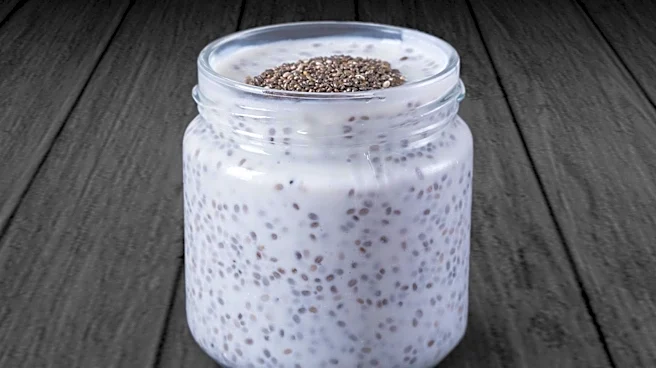
The emphasis on chia seeds for ketogenic diets underscores a broader shift towards nutrient density within restrictive eating patterns. For the growing number of Americans adopting keto for health or weight management, understanding how to maintain adequate nutrient intake is critical. The inclusion of chia seeds helps mitigate potential deficiencies in essential minerals and fiber, which can lead to adverse health effects such as muscle dysfunction, poor sleep quality, and digestive issues. This information is particularly important for consumers seeking sustainable and healthy approaches to the keto lifestyle, moving beyond simply avoiding sugar to actively incorporating nutrient-rich foods. The versatility of chia seeds also offers practical solutions for meal preparation, helping individuals adhere to their dietary goals without sacrificing variety or experiencing 'breakfast fatigue' from repetitive meals.
What's Next?
As awareness of the benefits of nutrient-dense foods within ketogenic diets grows, consumers can expect to see more educational content and product innovations featuring ingredients like chia seeds. Food manufacturers and health and wellness brands may increasingly highlight the net carb count and mineral content of their products to cater to the keto market. Individuals following a keto diet are encouraged to integrate chia seeds gradually into their meals, starting with small amounts and ensuring adequate hydration to prevent potential digestive discomfort. Further research and dietary guidelines may continue to refine recommendations for optimal nutrient intake within low-carb diets, potentially leading to more personalized dietary advice and a wider array of keto-friendly food options that prioritize both macro and micronutrient balance.
Beyond the Headlines
The focus on chia seeds in the keto diet reflects a deeper trend in dietary science and public health: the recognition that restrictive diets must be holistically designed to prevent nutritional shortfalls. This highlights the ethical responsibility of dietary advice to not only focus on weight loss or specific metabolic states but also on overall well-being and long-term health. The discussion around 'healthy keto' versus simply 'keto' signifies a maturing understanding of dietary approaches, moving beyond simplistic macronutrient ratios to a more nuanced appreciation of food quality and micronutrient contribution. This shift could influence how dietary guidelines are formulated and communicated, encouraging a more balanced and sustainable approach to eating, even within specialized diets. It also underscores the importance of consumer education in distinguishing between effective, health-promoting dietary practices and potentially harmful, nutritionally inadequate ones.