
What's Happening?
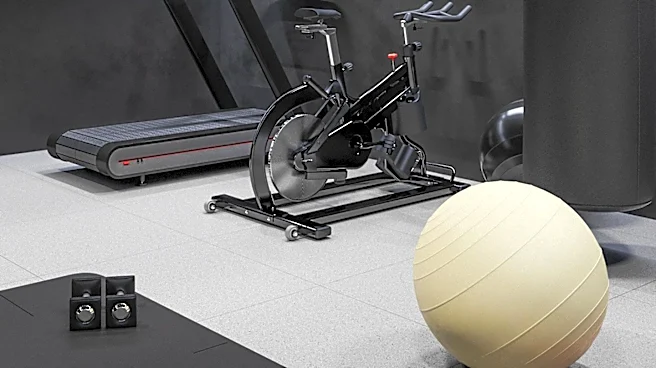
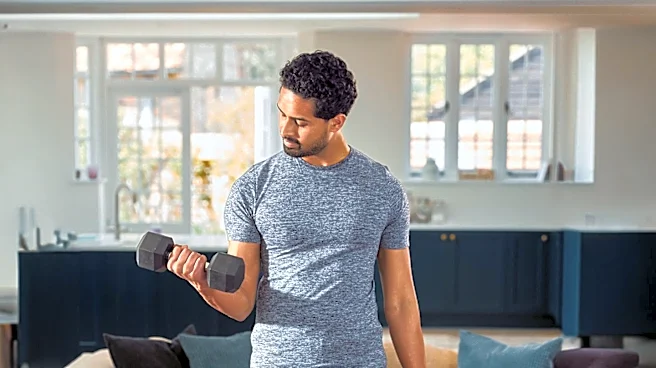
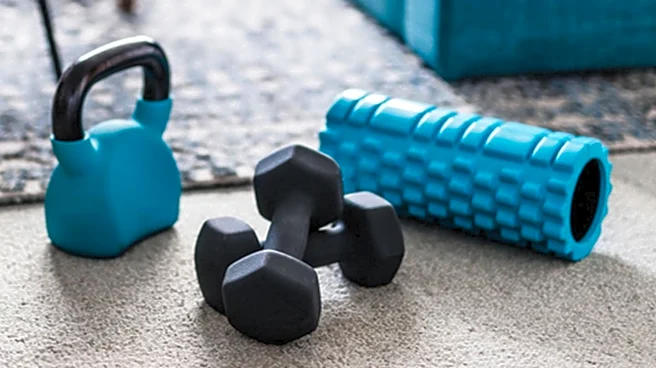
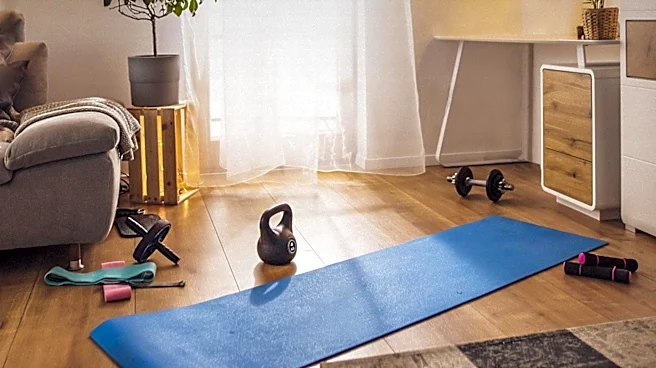
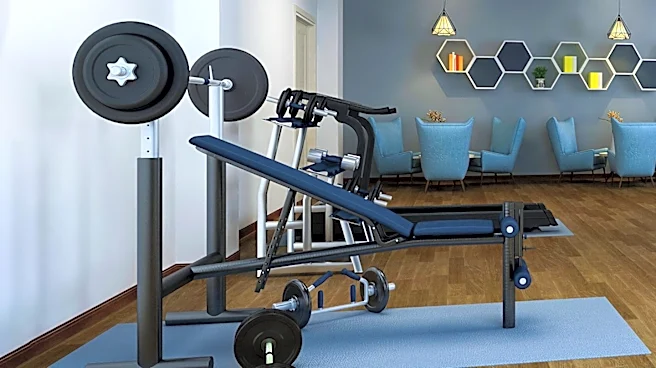
Individuals are increasingly adopting home fitness solutions, utilizing compact equipment and portable storage to create workout spaces without needing a dedicated room. Basic and affordable tools such as pull-up bars and resistance bands are highlighted
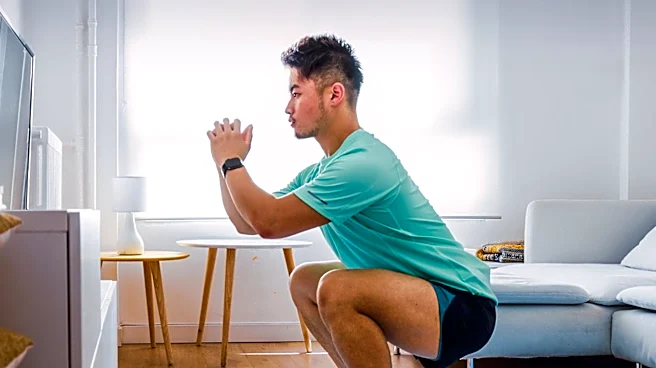
as effective for targeting various muscle groups, including back muscles, and providing alternative methods for achieving overload. Even without specialized equipment, bodyweight exercises like squats, lunges, and climbers are effective. For those living with roommates, communication is crucial to reserve workout space and maintain cleanliness to prevent odors from sweat. The approach emphasizes making the most of available space and resources, suggesting that a fully stocked home gym is not necessary for effective fitness routines.
Why It's Important?
The shift towards home fitness is significant for several reasons, particularly in urban environments or for individuals with limited access to traditional gyms. This trend democratizes fitness, making it more accessible and affordable by reducing the need for expensive gym memberships or large, specialized equipment. It empowers individuals to maintain their health and wellness routines regardless of external factors, such as health concerns or time constraints. The emphasis on communication for shared living spaces also highlights a broader societal need for considerate cohabitation, extending beyond just fitness to general living arrangements. This adaptability in fitness routines can lead to more consistent engagement in physical activity, fostering better public health outcomes and personal well-being.
What's Next?
The continued evolution of home fitness is expected to see further innovations in compact, multi-functional equipment and digital fitness platforms. As more people embrace working out from home, there will likely be an increased demand for space-saving solutions and virtual coaching. Manufacturers may focus on developing more versatile and affordable equipment that caters to diverse fitness levels and living situations. Additionally, the importance of maintaining a clean and respectful shared living environment for home workouts will likely become a more emphasized aspect of fitness culture, potentially leading to new products or services aimed at odor control and space management in residential settings. The integration of technology, such as AI-powered workout guides and personalized routines, could also become more prevalent.
Beyond the Headlines
This trend towards home fitness reflects a broader cultural shift towards self-sufficiency and personalized experiences. It challenges the traditional model of fitness, moving away from communal gym spaces to more private and customizable workout environments. This could have long-term implications for urban planning, with residential developments potentially incorporating more flexible spaces that can double as workout areas. Ethically, it raises questions about equitable access to fitness resources, as not everyone has the space or financial means for even basic home equipment. However, the emphasis on bodyweight exercises and inexpensive tools offers a pathway to fitness for a wider demographic, promoting a more inclusive approach to health and wellness. The focus on personal responsibility for cleanliness and space management also subtly reinforces community values within shared living arrangements.