








What's Happening?
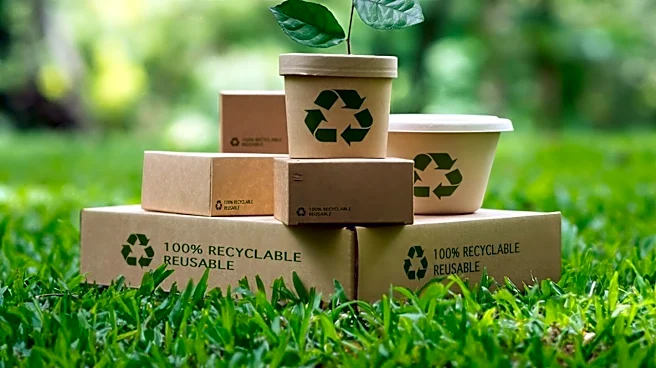
The U.S. produce industry is facing increasing pressure to adopt sustainable packaging solutions while simultaneously maintaining convenience for consumers and ensuring product freshness. This shift is driven by growing consumer demand for eco-friendly
options, retailer sustainability goals, and new regulations such as California's SB-343 law, which mandates that packaging claiming to be recyclable must actually be accepted by recycling programs. Companies like Peri & Sons Farms are transitioning their organic product lines to plastic-free packaging, introducing innovations like the 100% plastic-free 'Earthbag'. Packaging manufacturers are responding with new materials, such as Aptar Active Material Science's Halopack, a 90% paperboard system designed to replace plastic while offering equivalent shelf life and barrier properties. The industry is moving from broad sustainability claims to requiring tangible proof, focusing on extended producer responsibility and transparent recycling information.
Why It's Important?
This industry-wide shift has significant implications for U.S. businesses, consumers, and environmental policy. For producers and retailers, it necessitates substantial investments in redesigning packaging, replacing equipment, and adapting supply chains, which can be costly and time-consuming. However, it also presents opportunities for innovation and market differentiation for companies that successfully integrate sustainable practices. Consumers stand to benefit from a wider array of environmentally responsible product choices and clearer information regarding recycling. The emphasis on reducing plastic and food waste contributes to broader environmental goals, potentially decreasing landfill burden and resource consumption. The challenge lies in finding cost-effective solutions that do not compromise product quality or increase food waste, as fresh produce has a limited shelf life and requires effective protection. Balancing these factors is crucial for the long-term viability and public perception of the produce industry.
What's Next?
The produce industry is expected to continue its trajectory towards more sustainable packaging, with ongoing innovation in materials and design. Companies will likely focus on developing solutions that use less material, improve recyclability, and reduce food waste, while striving to keep costs manageable. Further legislative actions, similar to California's SB-343, may emerge in other states, pushing for greater accountability and transparency in packaging claims. Retailers will continue to play a pivotal role in driving demand for sustainable options, influencing their suppliers to adopt greener practices. The industry will also need to educate consumers on proper recycling and disposal methods for new packaging materials to ensure the effectiveness of these initiatives. Collaboration between growers, packaging manufacturers, retailers, and policymakers will be essential to navigate these challenges and achieve a balance between environmental responsibility and economic viability.
Beyond the Headlines
The move towards sustainable produce packaging reflects a broader societal shift in values, where environmental impact is increasingly integrated into purchasing decisions and corporate responsibility. This trend extends beyond mere material substitution, prompting a re-evaluation of the entire product lifecycle, from sourcing and production to consumption and disposal. It highlights the complex interplay between consumer behavior, technological innovation, economic pressures, and regulatory frameworks. The challenge of balancing convenience with sustainability also touches upon ethical considerations regarding resource allocation and waste generation. Ultimately, this evolution in packaging could foster a more circular economy within the food sector, encouraging systemic changes that prioritize ecological health alongside economic efficiency and consumer satisfaction. The long-term success will depend on the industry's ability to innovate sustainably without inadvertently creating new environmental problems or increasing food insecurity.