





What's Happening?
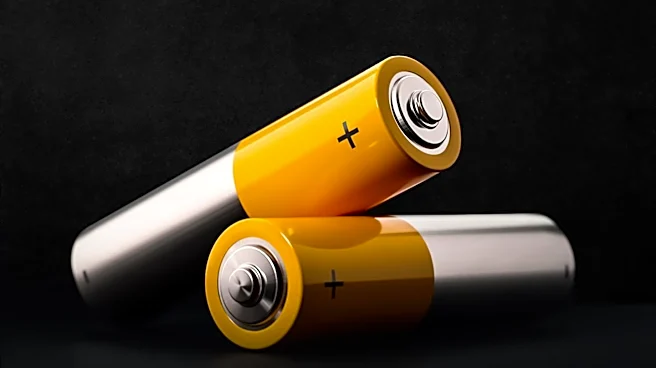
The Southwest Research Institute (SwRI) has developed a novel method to determine the interchangeability of chemically different battery types, specifically focusing on sodium-ion (Na-ion) and lithium-ion (Li-ion) cells. This new approach, called the Electrical
Interchangeability Index (EII), provides a numerical measure of how effectively two battery technologies can fulfill the same application-specific electrical requirements. Li-ion batteries are currently the standard due to their high energy storage and lighter weight, but lithium's cost and sourcing challenges are driving interest in Na-ion alternatives, which use cheaper and more abundant materials. SwRI researchers investigated operating conditions where Na-ion cells could offer comparable electrical performance to 18650-format Li-ion cells, commonly found in laptops, power tools, and electric vehicles. The EII framework helps engineers identify 'high-EII' regions where the two cell types demonstrate functional equivalence and 'low-EII' regions where substitution would be unacceptable, considering factors like surface temperature rise, available capacity, and power capability.
Why It's Important?
This development is crucial for addressing supply chain and affordability issues within the battery industry. As demand for lithium continues to surge, the ability to substitute cheaper and more abundant Na-ion batteries for Li-ion cells in certain applications could significantly alleviate market pressures. The EII framework provides a standardized, quantitative tool for manufacturers and designers to evaluate alternative battery chemistries, enabling informed decisions about material selection and system redesign. This could lead to more diversified battery supply chains, reducing dependence on a single raw material and potentially lowering manufacturing costs for various products, from consumer electronics to electric vehicles. By identifying specific operational regions where different battery types can perform equivalently, the EII can accelerate the adoption of new battery technologies, fostering innovation and sustainability in energy storage solutions.
What's Next?
SwRI plans to expand the EII framework to include additional battery chemistries, cell formats, and application domains. Future research will also evaluate extensions related to aging, degradation, and thermal-management effects, providing a more comprehensive understanding of battery interchangeability over time and under various environmental conditions. This ongoing development aims to refine the EII as a robust tool for chemistry down-selection, second-source qualification, and the assessment of alternative or hybrid battery technologies. The goal is to reduce unnecessary system redevelopment by providing clear guidelines on when and where new chemistries can be integrated into existing designs. This will likely lead to increased adoption of Na-ion batteries in suitable applications, further diversifying the battery market and enhancing supply chain resilience.
Beyond the Headlines
The development of the EII framework by SwRI has broader implications for the future of energy storage and resource management. It highlights a growing trend towards optimizing material usage and exploring sustainable alternatives to critical resources. By enabling the strategic substitution of battery chemistries, this method contributes to a more circular economy, where resource efficiency and material resilience are prioritized. This innovation could also spur further research into novel battery materials and designs, fostering a competitive landscape that drives down costs and improves performance across the board. Furthermore, the ability to quantify interchangeability could influence regulatory standards and industry best practices, promoting safer and more reliable integration of diverse battery technologies into everyday products and critical infrastructure. This shift could ultimately lead to a more sustainable and secure energy future.