







What's Happening?
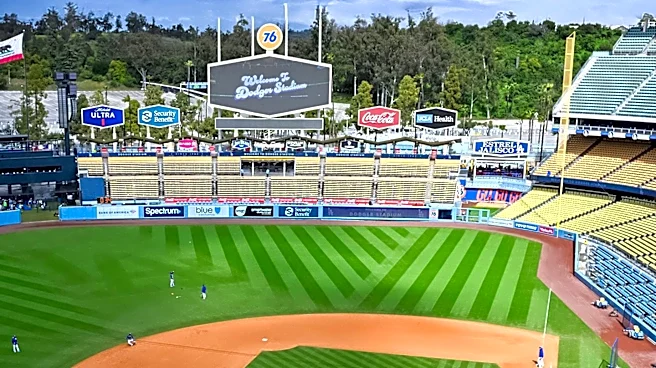
The Dodger Baseball Field in Tianjin, China, a gift from longtime Dodger President Peter O'Malley, is being fondly commemorated and has undergone a significant transformation. Established in 1986 at the Tianjin Institute of Physical Culture, the field
served as China's first dedicated baseball facility for three decades. It featured a 2,500-seat grandstand added in 1991. The field was a result of O'Malley's efforts to promote baseball in China, beginning with his initial visit in 1980 and subsequent collaborations with Chinese sports officials. He invited Chinese sports leaders to Dodger Stadium and sent Dodger minor league manager Kevin Kennedy and scout Tim Johnson to conduct baseball clinics in China. The field was in constant use for professional, amateur, and youth baseball teams. As of Fall 2026, the site has been redeveloped into a residential community, with the former baseball field now serving as the playground for the Donghu Campus of Hexi District Central Primary School. The original grandstand has been preserved and renovated, now housing a real estate sales center and coffee bar, with architects deliberately designing the school playground to outline the former baseball field.
Why It's Important?
This development highlights the enduring legacy of sports diplomacy and cultural exchange initiated by individuals like Peter O'Malley. The establishment of the Dodger Baseball Field played a crucial role in the growth of baseball in China, fostering a sport that was relatively nascent in the country. The field's impact is evident in Tianjin's subsequent success in the Chinese Baseball League, with the city winning six league championships and four National Games titles since the league went professional in 2002. The preservation and reimagining of the site, particularly the integration of the baseball field's outline into a school playground and the grandstand's new purpose, symbolize a unique blend of historical recognition and urban development. It demonstrates how past initiatives can continue to influence local communities and sports culture, even as physical spaces evolve. The story underscores the long-term effects of international sports partnerships and their contribution to global sports development.
What's Next?
The renovated grandstand, now a real estate sales center and coffee bar, continues to honor the site's baseball history, with a batter sculpture made of baseballs hanging above the coffee bar. Peter O'Malley has expressed his appreciation for the thoughtful planning of the new setting and looks forward to returning to the Tianjin University of Sport. The continued commemoration of the field within the Tianjin Institute of Physical Culture's history museum ensures that O'Malley's contribution and the field's significance are remembered. The architectural design, which intentionally outlines the former baseball field in the school playground, suggests a lasting tribute to its original purpose. This approach indicates a future where the historical importance of the site is integrated into its new function, potentially inspiring future generations about the sport's origins in their city.
Beyond the Headlines
The transformation of the Dodger Baseball Field in Tianjin offers a compelling case study in urban renewal and the preservation of cultural heritage within a rapidly developing city. The decision to incorporate elements of the original baseball field into the new school and residential complex reflects a nuanced approach to development, balancing progress with historical memory. It also speaks to the power of sports to create lasting international connections and influence local identity. The story subtly touches upon the ethical considerations of urban planning, where developers and city planners choose to either erase or integrate historical landmarks. In this instance, the integration of the baseball field's outline and the preservation of the grandstand suggest a respect for the past, transforming a sports venue into a multi-functional space that continues to serve the community in new ways, while still acknowledging its roots.