







What's Happening?
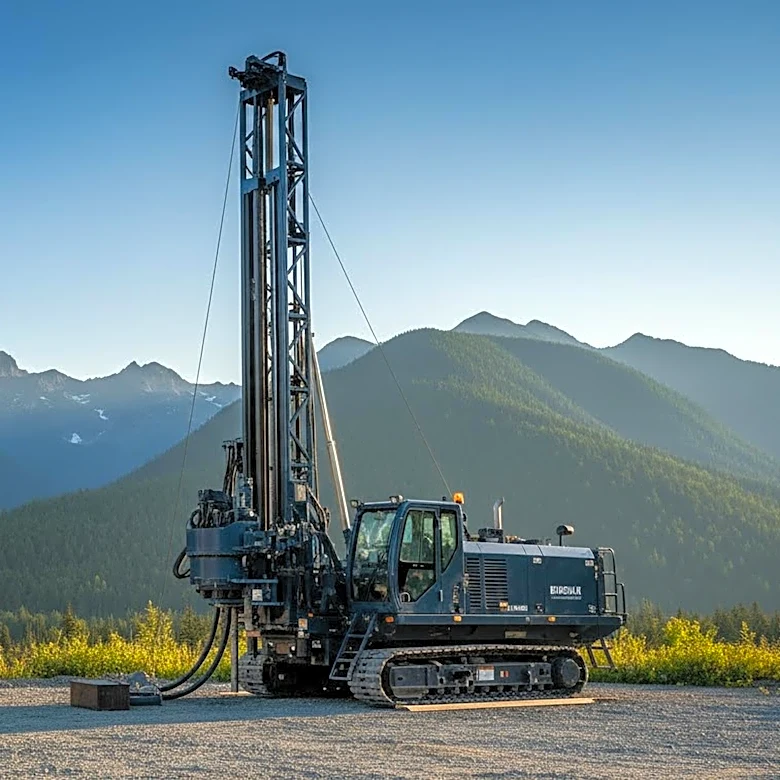
Australian Rare Earths has discovered a niobium-rare earth carbonatite mineral system at its Overland Project in South Australia. This discovery was made during a sedimentary-hosted uranium drilling program at the R254 prospect. Drill hole OV167 intersected
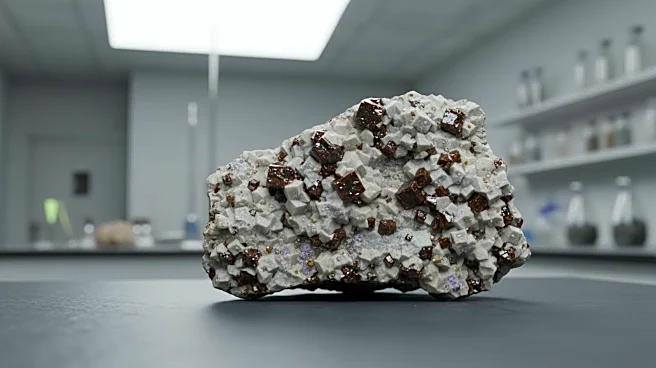
19 meters of total rare earth oxides, including significant amounts of neodymium, praseodymium, dysprosium, and terbium oxides. The company identified pyrochlore, a dominant niobium ore mineral, through petrographic and scanning electron microscope assessments. The mineralized interval remains open at depth, suggesting potential for further exploration. The discovery is significant as carbonatite mineral systems are major sources of rare earth elements and niobium globally.
Why It's Important?
The discovery of a niobium-rare earth system at the Overland Project could significantly enhance Australian Rare Earths' position in the critical minerals market. Rare earth elements are essential for various high-tech applications, including electronics, renewable energy, and defense. The presence of niobium, used in steel production and superconductors, adds further value. This discovery could attract investment and partnerships, boosting the company's exploration and development capabilities. Additionally, it aligns with global efforts to secure supply chains for critical minerals, reducing reliance on dominant producers like China.
What's Next?
Australian Rare Earths plans to conduct follow-up work, including expanded geophysical modeling and targeted drilling, to assess the extent of the carbonatite mineralizing system. The company aims to gather sufficient data to define a mineral resource estimate. This could lead to increased exploration activities and potential partnerships with other mining companies or technology firms interested in securing rare earth and niobium supplies. The outcome of these efforts will be closely watched by industry stakeholders and investors.