





What's Happening?
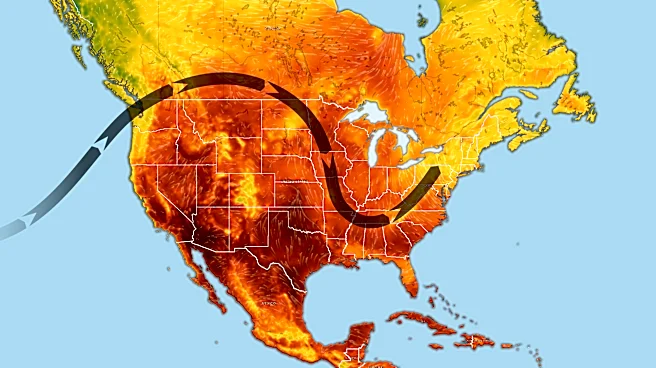
Oil companies, including Exxon Mobil, BP, Chevron, and Shell, are facing lawsuits in Washington state over heat-related deaths linked to climate change. Misti Leon has filed a wrongful death lawsuit against these companies, alleging that their fossil
fuel emissions contributed to the extreme heat that led to her mother's death during a record-breaking heatwave in June 2021. The lawsuit claims that the companies were aware of the harmful effects of their emissions but misled the public, delaying necessary actions to mitigate climate change. A King County judge recently allowed the lawsuit to proceed, marking a significant step in holding oil companies accountable for their role in climate change.
Why It's Important?
This legal action represents a growing trend of holding fossil fuel companies accountable for their contributions to climate change and its impacts on public health and safety. The outcome of this case could set a precedent for future climate litigation, potentially leading to increased financial and legal liabilities for oil companies. It highlights the broader societal demand for corporate responsibility and transparency regarding environmental impacts. The case also underscores the urgent need for policy changes and corporate practices that prioritize sustainability and reduce greenhouse gas emissions to prevent further climate-related disasters.
What's Next?
As the lawsuit progresses, it may influence other pending climate-related cases across the United States. The oil industry is expected to continue its legal defense, potentially challenging the scientific basis of climate attribution studies. The outcome of this case could impact legislative efforts to grant immunity to oil companies from climate-related lawsuits. Additionally, the case may prompt further public and governmental scrutiny of the fossil fuel industry's role in climate change, potentially leading to stricter regulations and increased investment in renewable energy sources.
Beyond the Headlines
The legal battle against oil companies raises ethical questions about corporate accountability and the responsibility of industries to address their environmental impacts. It also highlights the intersection of climate change with social justice, as vulnerable communities often bear the brunt of climate-related health risks. The case may inspire broader discussions on the need for systemic changes in energy production and consumption to achieve a sustainable and equitable future.