





What's Happening?
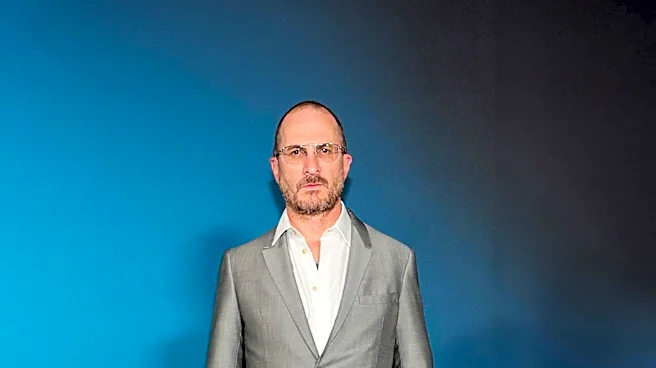
Filmmaker Zach Cregger, known for his work on 'Resident Evil,' 'Weapons,' and 'Barbarian,' is employing an iPhone for crucial shot planning in his productions. Cregger uses the device, specifically with the Cadrage app, to create detailed photo boards
that accurately represent the intended framing and lens choices for each shot. This method allows him to visit locations with his cinematographer and approximate different lenses, building a visual plan for sequences before actual filming begins. The printed images from these planning sessions serve as a clear visual reference for the entire crew, ensuring everyone understands the director's vision for framing and lens selection. This approach streamlines the pre-production process, minimizing guesswork once the main production cameras are rolling. While high-profile movies are sometimes marketed as 'shot on iPhone,' Cregger's use is distinct, focusing on pre-visualization rather than primary capture, though he notes an iPhone is sufficient for making a movie.
Why It's Important?
Cregger's innovative use of the iPhone for shot planning highlights a significant shift in filmmaking methodologies, making advanced pre-visualization tools more accessible. This approach can democratize filmmaking by demonstrating that professional-level planning can be achieved with readily available technology, potentially lowering barriers for independent filmmakers and smaller productions. By meticulously planning shots and framing in advance, Cregger reduces on-set inefficiencies, which can lead to cost savings and a more focused production process. This method also enhances communication among crew members, as visual references eliminate ambiguity and ensure a shared understanding of the director's artistic intent. The adoption of such techniques by a prominent director like Cregger could inspire broader industry acceptance and integration of mobile technology into various stages of film production, from pre-production to even some aspects of capture for lower-budget projects.
What's Next?
The continued success and visibility of films utilizing advanced pre-production techniques, such as Cregger's iPhone-based shot planning, could lead to wider adoption across the film industry. As mobile technology advances, the capabilities of apps like Cadrage are likely to expand, offering even more sophisticated tools for filmmakers. This trend might encourage technology companies to further develop and market professional-grade filmmaking applications for mobile devices. Additionally, film schools and educational programs may begin to incorporate these modern planning techniques into their curricula, preparing future filmmakers for an evolving production landscape. The debate around 'shot on iPhone' productions may also evolve, moving beyond mere technical capability to focus more on the creative and logistical advantages that mobile devices offer throughout the filmmaking workflow.
Beyond the Headlines
Cregger's method touches upon a broader cultural and technological shift where professional tools are becoming increasingly integrated with consumer-grade devices. This blurs the lines between amateur and professional production, fostering a more inclusive creative environment. The emphasis on pre-visualization also underscores the importance of meticulous planning and clear communication in complex creative endeavors, a principle applicable far beyond filmmaking. Ethically, this trend raises questions about the perceived value of 'professional' equipment versus the skill and vision of the creator. It challenges the notion that high-cost gear is always a prerequisite for high-quality output, potentially shifting focus towards creative ingenuity and efficient workflow management. This development could also influence how audiences perceive the production value of films, as the tools used become less of a distinguishing factor than the storytelling itself.