





What's Happening?
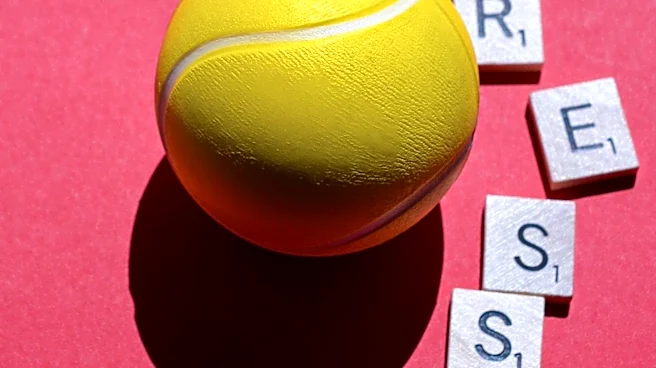
Various stress-reduction tools are available for adults, catering to different environments and needs. Squeeze tools, such as stress balls and therapy putty, provide firm pressure for private stress relief and anxiety reduction. Silent tactile tools, including
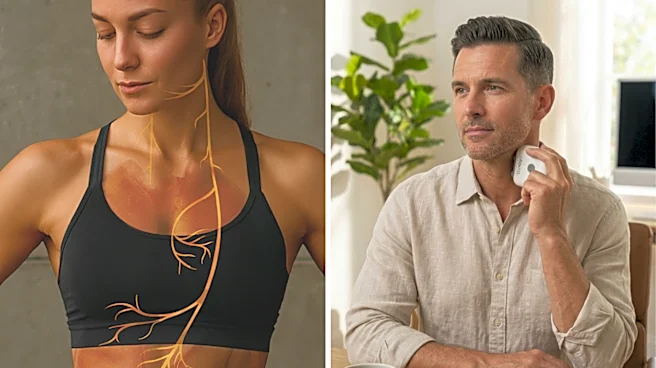
sliders, magnetic rings, and smooth rollers, are designed for discreet use in meetings, shared desks, and quiet offices, offering repetitive texture or motion without noise. Multi-action fidgets, which combine several buttons, switches, and textures, offer variety but require testing for noise levels before use in shared spaces. Desk and visual fidgets, like liquid timers or kinetic sand, provide a non-touch visual break. Wearable haptic devices deliver vibrations or pulses to the wrist, offering discreet stimulation when hands need to remain free. The effectiveness of these tools can be assessed by tracking focus and calmness over a week of use. Hygiene is also a key consideration, especially for shared items, with recommendations for regular cleaning and replacement of damaged tools.
Why It's Important?
The availability of diverse stress-reduction tools is important for adults navigating demanding professional and personal lives. Chronic stress, a common issue, can significantly impact physical and mental well-being, leading to symptoms like muscle tension, digestive issues, elevated heart rate, and difficulty concentrating. These tools offer practical, accessible methods to manage stress and anxiety, potentially improving focus and productivity in various settings, from quiet offices to busy meetings. By providing options for discreet and silent relief, they enable individuals to cope with stress without drawing unwanted attention or disrupting others. This can contribute to a more supportive and less stressful work environment. Furthermore, the emphasis on testing different tools and monitoring their impact on focus and calmness empowers individuals to find personalized solutions, promoting self-awareness and proactive stress management. The hygiene guidelines for shared tools also highlight the importance of maintaining health standards in communal spaces.
What's Next?
Individuals seeking to manage stress can experiment with different types of fidgets to determine which best suits their specific needs and environments. A recommended approach involves identifying the desired sensation—such as firm pressure for anxiety or motion for boredom—and then testing a single fidget type for a week, tracking its impact on focus and calmness. For workplace use, silent tactile tools or small squeeze balls are advised for meetings, while multi-action fidgets should be tested for noise before being brought into shared spaces. Regular cleaning of shared fidgets with disinfectant wipes and replacement of damaged items will be crucial for maintaining hygiene. If stress remains unmanageable despite consistent use of these tools, seeking professional help from a doctor or therapist is recommended, as fidgets are considered supportive aids rather than substitutes for clinical care.
Beyond the Headlines
The proliferation of stress-reduction tools reflects a broader societal recognition of the pervasive impact of stress and the growing demand for accessible coping mechanisms. While often associated with anxiety and ADHD, these tools offer benefits beyond clinical diagnoses, serving as aids for maintaining presence during long tasks, managing restless energy, or providing sensory resets between demanding activities. The act of engaging with a fidget can also serve as a brief mindfulness cue, redirecting attention from spiraling thoughts to the present moment. However, there's a nuanced balance to strike: a fidget that is too engaging can become a distraction rather than a tool, and reliance on fidgets solely for boredom may not yield the same benefits as using them for genuine stress. The social dynamics of fidget use in shared spaces also present a consideration, as a noticeable fidget could create friction. Ultimately, these tools are most effective when integrated with actual mindfulness practices, highlighting a shift towards holistic well-being strategies that combine physical aids with mental techniques.