






What's Happening?
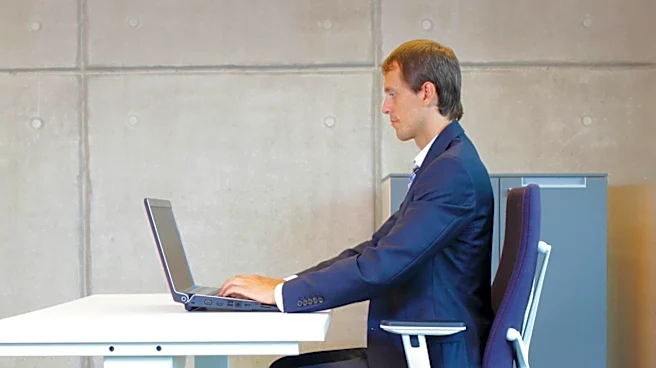
Office ergonomics involves arranging workstations to fit the user's body and tasks, aiming to reduce strain and improve comfort. Key elements include adjusting chair and desk height, monitor positioning, and maintaining a neutral posture. Proper ergonomics can
prevent musculoskeletal disorders, reduce fatigue, and enhance productivity by minimizing physical discomfort. Regular movement and correct equipment setup are essential components of an ergonomic workspace, helping to prevent long-term health issues associated with poor posture and repetitive strain.
Why It's Important?
The focus on office ergonomics is crucial as more people work from home, where they may not have access to professionally designed workspaces. Implementing ergonomic principles can significantly reduce the risk of work-related injuries and improve overall well-being. This awareness is driving demand for ergonomic products and custom home office designs, as individuals seek to create healthier and more efficient work environments. By prioritizing ergonomics, both employers and employees can benefit from improved health outcomes and increased productivity.