





What's Happening?
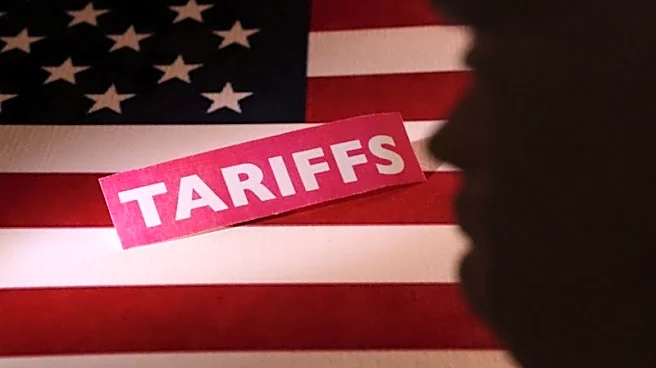
American businesses are facing ongoing challenges due to persistent tariff uncertainty and evolving trade policies. Over the past several years, companies have navigated multiple rounds of tariffs with key trading partners, often leading to retaliatory
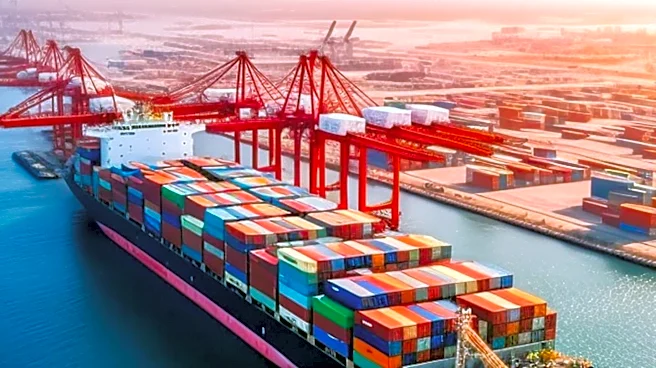
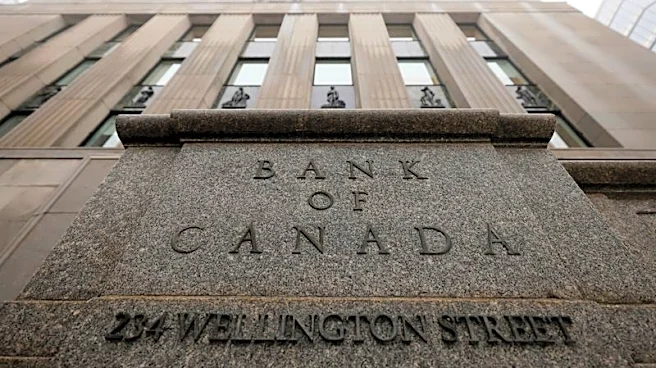
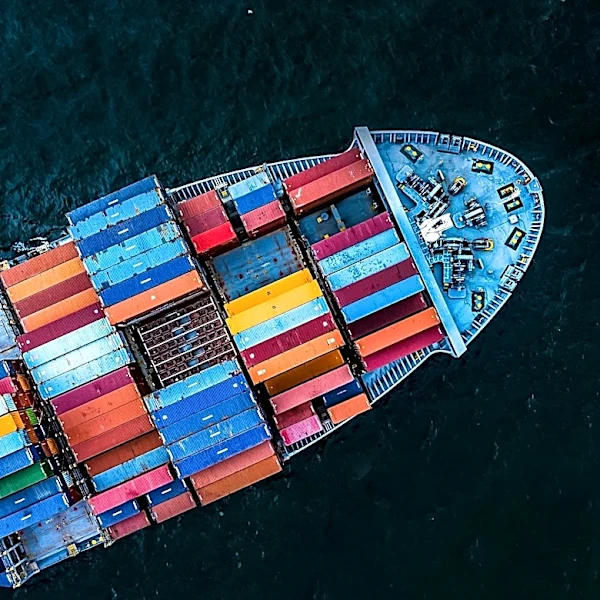
measures. The current uncertainty surrounding tariffs affecting trade with Canada is creating another cycle of potential disruptions, making long-term planning difficult for businesses of all sizes. The issue for businesses is not just the final cost a tariff adds to a product, but the inability to make long-term decisions when the future of tariffs and trade disputes remains unclear. This necessitates flexible planning and a comprehensive understanding of their exposure across the entire supply chain. The interconnectedness of global supply chains means that a tariff from one country can have far-reaching implications for multiple businesses and sectors, even those not directly involved in the trade dispute.
Why It's Important?
The continuous flux in U.S. trade policy creates significant operational and financial risks for American businesses. The need to look beyond immediate vendors and understand the entire supply chain, including where suppliers source their materials, is critical. This complexity means that companies must account for factors beyond product cost, such as higher freight costs, longer lead times, potential shortages, and operational expenses associated with finding alternative options. The inability to predict tariff changes impacts investment decisions, production planning, and market strategies. Businesses that fail to adapt to this environment risk increased costs, reduced competitiveness, and potential supply chain failures. The emphasis on flexible planning and the adoption of tools like Artificial Intelligence (AI) for scenario modeling highlights the necessity for businesses to enhance their resilience and agility in a volatile global trade landscape.
What's Next?
Businesses are advised to embrace flexible planning by thoroughly understanding their exposure and mapping out multiple potential outcomes. This includes looking beyond the immediate impact of tariffs to the broader supply chain, considering all interconnected components and their suppliers. Companies should dynamically model various scenarios, assessing both the positive and negative consequences of tariff increases, reductions, or removals, and their operational impacts. Maintaining relationships with a diverse range of suppliers, even during stable periods, is crucial to ensure alternatives are available when issues arise. The strategic use of AI is becoming a must-have tool for supply chain leaders to quickly identify changes, analyze patterns, and generate instant scenarios, thereby enhancing decision-making and adaptability in the face of ongoing tariff uncertainty. The lesson from past years is to be prepared to respond faster and smarter to unpredictable trade policies.
Beyond the Headlines
The ongoing tariff uncertainty reflects a broader shift in global trade dynamics, moving away from predictable, rules-based systems towards more politically influenced and protectionist approaches. This trend can lead to a re-evaluation of globalized supply chains, potentially encouraging nearshoring or reshoring efforts to reduce reliance on distant and politically sensitive trade partners. However, such shifts come with their own hidden costs, including higher domestic production expenses and potential loss of efficiency. The increased reliance on AI for supply chain management also highlights the growing role of technology in mitigating geopolitical risks and enhancing business resilience. This environment could foster greater innovation in logistics and supply chain optimization, but it also poses challenges for smaller businesses that may lack the resources to implement sophisticated planning and AI solutions, potentially exacerbating inequalities within the U.S. business landscape.