



What's Happening?
Raffles Hotels & Resorts, a 139-year-old hospitality brand, has introduced its first global e-commerce platform, 'The Little Shop by Raffles.' This new online boutique offers a curated collection of ready-to-wear apparel and homeware, moving beyond traditional
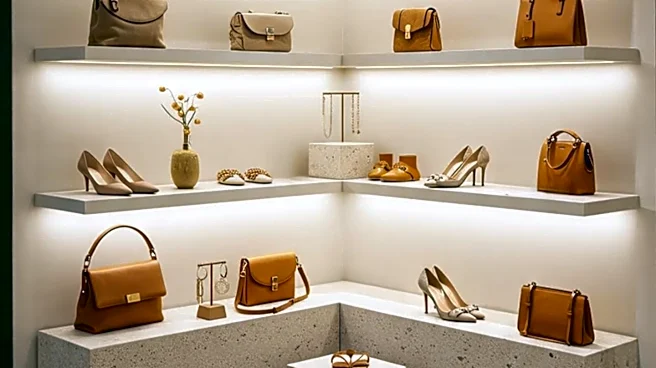
hotel merchandise. The initiative revives the concept of the original 'Little Shop' opened in Raffles Singapore in 1947 by Doris Geddes, which was frequented by high society and Hollywood figures like Elizabeth Taylor. The collection includes items such as cashmere crewnecks and loungewear with playful designs like 'The Butler Did It,' linen tunics, and palm-print silk caftans. Renowned creative director Jessica Diehl, former Fashion Director at Vanity Fair, styled the ready-to-wear line to ensure it did not resemble typical hotel merchandise. Additionally, the platform features exclusive, limited-edition items from heritage brands like Ginori 1735, Globe-Trotter, Christofle, Smythson, and Frette. Each order includes a personalized note from a Raffles Butler, emphasizing the brand's signature service. The collection is available for shipping across the U.S. and globally, with physical browsing options at Raffles Boston, Raffles London, and Le Royal Monceau—Raffles Paris.
Why It's Important?
The launch of 'The Little Shop by Raffles' signifies a strategic shift in the luxury hospitality market, moving towards a more experiential and lifestyle-oriented approach. This initiative allows Raffles to extend its brand presence beyond physical hotel stays, tapping into the growing consumer demand for personalized and emotionally resonant luxury goods. By offering high-fashion apparel and curated homeware, Raffles is competing not just within the hospitality sector but also with luxury fashion houses and lifestyle brands. This trend reflects a broader industry movement where luxury is defined by experiences, relationships, and environments surrounding a purchase, rather than just the product itself. For U.S. consumers, this means increased access to exclusive luxury items that embody the prestige and service associated with a high-end hotel brand. It also highlights how hospitality principles, such as anticipation, emotional intelligence, and service design, are influencing the wider luxury sector, pushing brands to create deeper connections with their clientele.
What's Next?
The success of 'The Little Shop by Raffles' could encourage other luxury hospitality brands to expand their retail offerings, further blurring the lines between hotels, fashion, and lifestyle. This move aligns with the evolving luxury market, where consumers seek unique experiences and products that reflect their aspirations and identity. Raffles may continue to expand its product lines, potentially collaborating with more high-end brands or introducing new categories that complement its luxury ethos. The emphasis on personalization, such as the 'note from the Raffles Butler,' suggests a future where luxury retail leverages technology to enhance human-led service, creating a seamless and memorable customer journey. The availability of the collection in key U.S. locations like Raffles Boston indicates a focus on the American market, potentially leading to more localized retail strategies or pop-up experiences to engage U.S. consumers directly.
Beyond the Headlines
This development reflects a deeper trend in the luxury sector: the commodification of brand experience. By offering merchandise that encapsulates the 'Raffles experience,' the brand is selling a piece of its identity and the aspirational lifestyle it represents. This strategy taps into the emotional connection consumers have with luxury brands, allowing them to integrate elements of their desired lifestyle into their daily lives. It also highlights the increasing importance of brand storytelling and heritage in a competitive market. The revival of a 1940s boutique concept underscores a desire for authenticity and a connection to a glamorous past, appealing to consumers who value history and exclusivity. This approach also raises questions about the future of traditional retail, as luxury brands leverage their unique identities to create immersive shopping experiences that transcend mere transactions, focusing instead on building long-term relationships and fostering a sense of belonging among their clientele.