







What's Happening?
WEL Companies, a Wisconsin-based transportation and logistics provider, has implemented an integrated solution combining Descartes’ broker transportation management system (TMS) with CARRIER1 Vault. This integration aims to streamline the management of
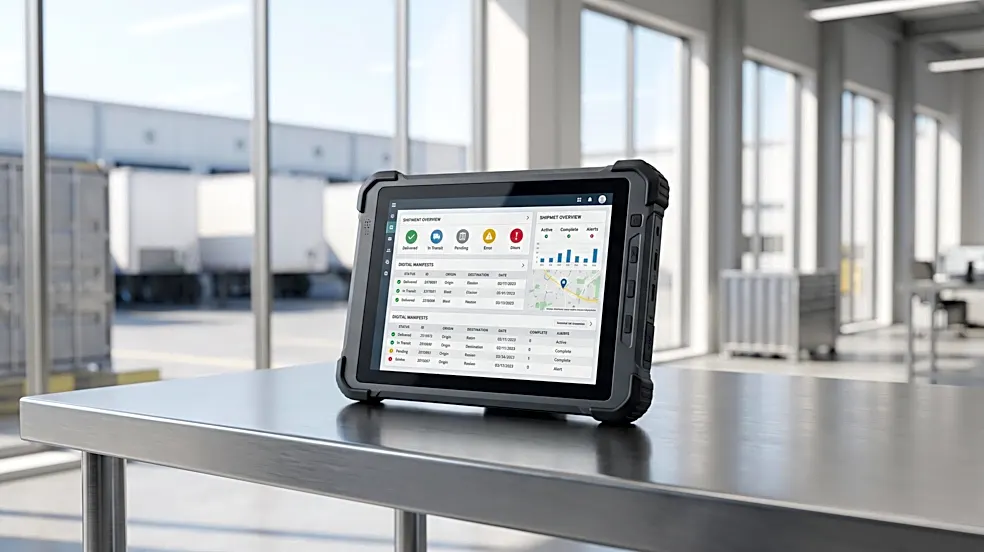
freight brokerage and carrier workflows. The Descartes TMS assists WEL’s freight brokers in handling the entire shipment lifecycle, including order entry, load coverage, carrier acceptance, and dispatching. CARRIER1 Vault extends these capabilities by facilitating digital tendering, shipment tracking, communication, and document exchange with trusted carriers and drivers. This combined system allows for the automated exchange of load information, status updates, and delivery documents, such as rate confirmations, bills of lading, and proof of delivery, directly back into the Descartes solution. The integration also supports the verification of carriers, drivers, and equipment, reducing the need for manual data entry and information gathering from various sources like emails, spreadsheets, and phone calls.
Why It's Important?
This technological integration is significant for the U.S. logistics and transportation sector as it addresses key inefficiencies in freight brokerage operations. By automating communication and data exchange between brokers, carriers, and drivers, WEL Companies can achieve a faster shipment lifecycle and enhance customer experience. The reduction in manual processes through integrated verification and document flow minimizes administrative burdens and potential errors, leading to more efficient operations. For the broader industry, such integrations set a precedent for how technology can improve supply chain visibility and coordination. This move by WEL Companies, a family-owned business founded in 1975, highlights a growing trend among logistics providers to leverage advanced software solutions to maintain competitiveness and meet the increasing demands for speed and accuracy in freight movement. The collaboration between Descartes and CARRIER1 also demonstrates the value of specialized capabilities working in concert within a central TMS.
What's Next?
The successful implementation by WEL Companies could encourage other freight brokers and third-party logistics providers in the U.S. to explore similar integrated solutions. The focus on automating communication and data exchange suggests a future where manual intervention in freight management is significantly reduced. As more companies adopt such technologies, the industry may see a shift towards more standardized digital workflows, potentially leading to greater transparency and efficiency across the entire supply chain. The continued development and integration of platforms like Descartes’ TMS and CARRIER1 Vault are likely to further refine how freight is managed, from initial order to final delivery. This could also lead to increased demand for skilled professionals capable of managing and optimizing these advanced logistics systems.
Beyond the Headlines
Beyond the immediate operational benefits, this integration points to a broader evolution in the logistics industry towards a more interconnected and data-driven ecosystem. The emphasis on seamless information flow and reduced manual effort underscores the increasing importance of digital transformation in maintaining a competitive edge. This shift could also have implications for regulatory compliance and risk management, as automated systems can provide more accurate and auditable records of shipments and carrier activities. Furthermore, the enhanced efficiency and transparency could foster stronger relationships between brokers, carriers, and shippers, building greater trust and reliability within the supply chain. The long-term impact may include a more resilient and responsive logistics network, better equipped to handle disruptions and adapt to changing market demands.