







What's Happening?
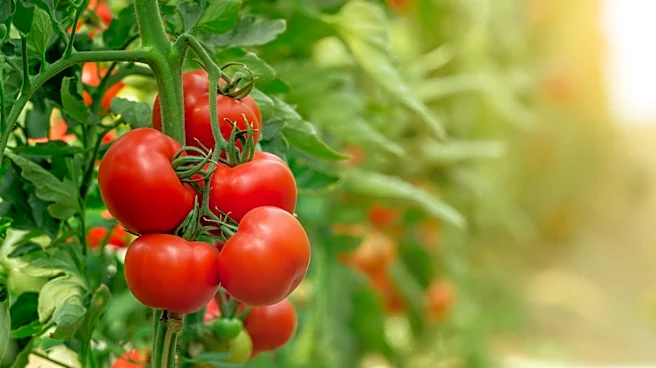
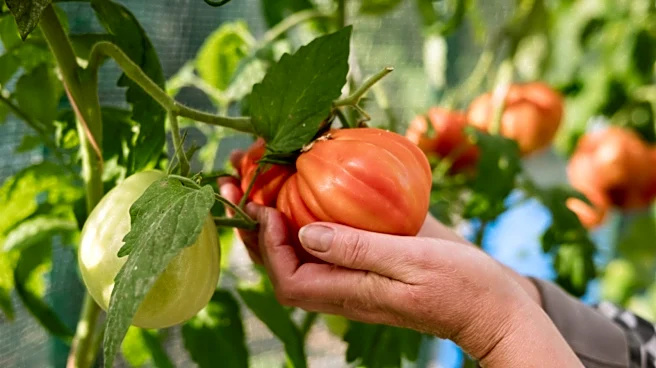
As tomato prices continue to rise, consumers are increasingly turning to home gardening as a cost-effective solution. The trend is driven by the need to mitigate the impact of grocery price hikes. There are several methods for growing tomatoes at home,
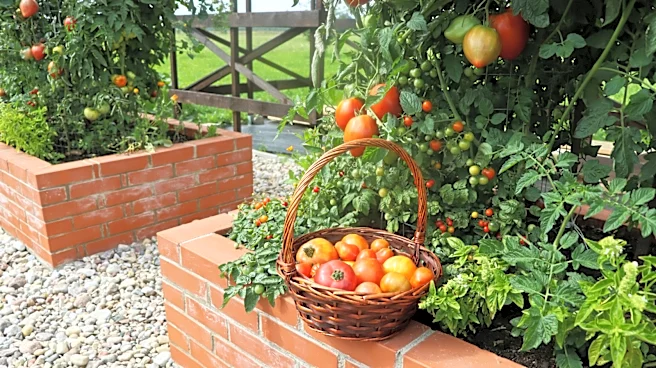
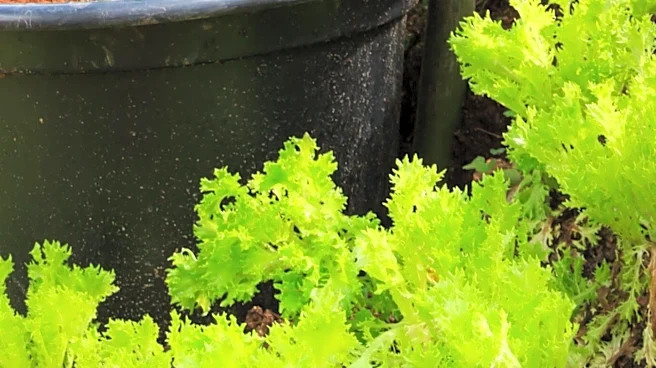
each catering to different living situations. Traditional in-ground planting is ideal for those with backyard space, requiring ample sunlight and support structures like stakes or trellises. For those with limited space, container gardening offers a viable alternative, allowing tomatoes to thrive in pots or buckets placed on patios or balconies. Additionally, hydroponic systems provide a high-tech, soil-free option for indoor gardening, using nutrient-rich water to support plant growth. This method, while requiring more setup and monitoring, can lead to faster growth and higher yields.
Why It's Important?
The shift towards home gardening in response to rising tomato prices highlights broader economic pressures faced by consumers. By growing their own produce, individuals can reduce dependency on fluctuating market prices and ensure a steady supply of fresh tomatoes. This trend not only offers financial relief but also promotes self-sufficiency and sustainability. The increased interest in home gardening could lead to a surge in demand for gardening supplies and equipment, potentially benefiting related industries. Moreover, this movement aligns with a growing emphasis on healthy living and environmental consciousness, as homegrown produce is often perceived as fresher and more organic.
What's Next?
As more consumers adopt home gardening practices, there may be a rise in community gardening initiatives and educational programs to support novice gardeners. Retailers and manufacturers of gardening supplies might expand their product lines to cater to this growing market. Additionally, advancements in hydroponic technology could make indoor gardening more accessible and efficient, further encouraging adoption. Policymakers might also consider supporting urban agriculture initiatives to enhance food security and reduce the carbon footprint associated with transporting produce.