
What's Happening?
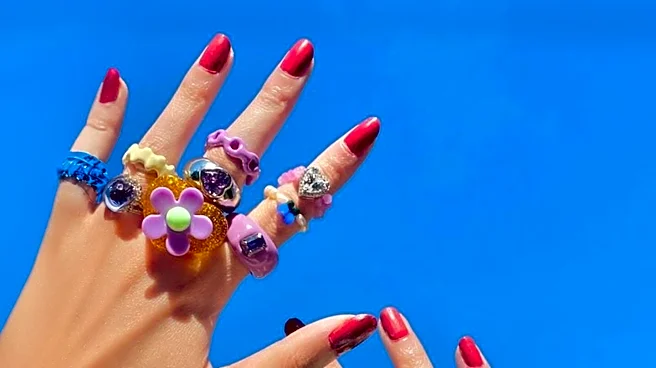
The Y2K culture, encompassing fashion, music, and social media aesthetics from the turn of the millennium, is experiencing a significant revival. This trend is particularly evident in accessories, with
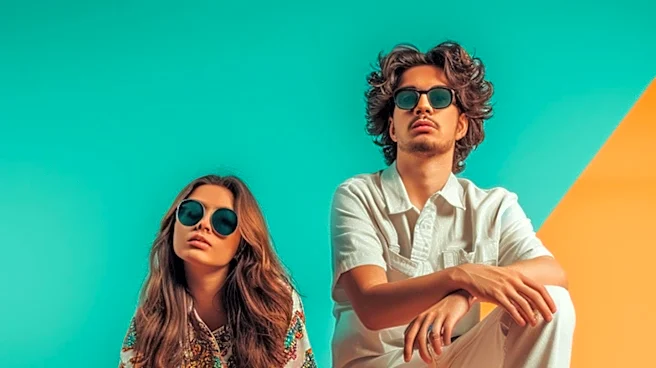
chunky bead necklaces, statement rings, and colorful hair clips making a comeback, offering a nostalgic yet fresh twist to contemporary wardrobes. Gen Z is actively seeking authentic Y2K pieces, blending inspiration from the 1970s, 1990s, and early 2000s. Social media platforms are playing a crucial role in reshaping the perception of older clothing, linking individual pieces to recognizable eras and aesthetics. Terms like 'Y2K' provide shoppers with specific search criteria for brands, cuts, and details that align with the looks trending on their feeds. This resurgence is also fueled by a growing interest in sustainable and unique vintage accessories, which are valued for their eco-friendly impact and individuality.
Why It's Important?
The Y2K revival signifies a broader cultural shift towards nostalgia and sustainable consumption within the U.S. market. For the fashion industry, this trend highlights the enduring appeal of cyclical fashion and the power of social media in driving consumer demand for vintage and retro styles. Businesses specializing in vintage clothing and accessories stand to gain significantly, as consumers prioritize unique, eco-friendly options over mass-produced items. This movement also reflects a desire among younger generations to express individuality and connect with past eras, influencing design aesthetics and marketing strategies across various sectors. The emphasis on sustainability in fashion, driven by the popularity of vintage finds, could lead to a more conscious consumer base and encourage brands to adopt more environmentally friendly practices.
What's Next?
The Y2K trend is expected to continue evolving, with social media remaining a primary catalyst for its spread and adaptation. We may see further integration of Y2K aesthetics into mainstream fashion collections, as designers draw inspiration from this era. The demand for curated vintage and sustainable fashion is likely to grow, prompting more businesses to enter this market or expand their offerings. Influencers and content creators will continue to play a key role in popularizing specific Y2K-inspired looks and accessories, driving consumer engagement and purchasing decisions. The trend's longevity will depend on its ability to adapt and integrate new elements while retaining its core nostalgic appeal, potentially leading to new sub-trends and interpretations of early 2000s culture.
Beyond the Headlines
Beyond its aesthetic appeal, the Y2K revival touches upon deeper societal and psychological aspects. It reflects a collective yearning for simpler times or a romanticized past, especially for generations who experienced the early 2000s as children or young adults. This nostalgia can provide a sense of comfort and continuity in a rapidly changing world. The emphasis on vintage and sustainable fashion also highlights a growing ethical consciousness among consumers, who are increasingly concerned about the environmental impact of fast fashion. This trend could foster a greater appreciation for craftsmanship, durability, and the stories behind clothing, potentially shifting consumer values towards more mindful consumption and away from disposable fashion culture.