



What's Happening?
Volkswagen Group of America's subsidiary, Scout Motors, is facing legal challenges from Volkswagen and Audi dealerships over its plan to implement a direct-to-consumer sales model for its upcoming electric vehicles (EVs). Scout Motors, which Volkswagen Group acquired
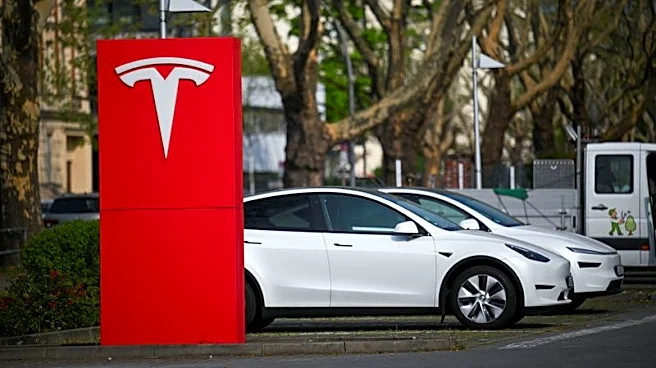
the rights to in 2021, intends to begin delivering vehicles in 2028 using this direct sales approach, bypassing traditional dealerships. Scout Motors President and CEO Scott Keogh has stated that direct sales are the company's sole strategy, emphasizing the importance of a direct relationship with customers and control over data in the age of AI. Keogh also invoked the U.S. Constitution, arguing that interstate commerce protections prevent judges from prohibiting consumers from purchasing a Scout vehicle. He highlighted that Scout possesses the necessary licenses to execute a 50-state strategy and aims for maximum convenience and ease for customers, following a path blazed by other EV manufacturers like Tesla.
Why It's Important?
This dispute highlights a significant tension within the U.S. automotive industry regarding sales models, particularly with the rise of electric vehicles. Traditional dealership networks, protected by state franchise laws, are a cornerstone of vehicle distribution, providing sales, service, and local employment. Scout's direct sales approach, if successful, could disrupt this established model, potentially leading to reduced revenue and market share for existing dealerships. For consumers, a direct sales model could offer a streamlined purchasing experience and potentially more consistent pricing, but it might also limit local service options and the ability to negotiate prices. The legal battle over interstate commerce and state franchise laws could set precedents for how new automotive brands, especially EV startups, can operate in the U.S. market, impacting competition and consumer choice. The outcome will also influence the strategic decisions of other legacy automakers considering similar direct sales ventures for their EV lines.
What's Next?
The lawsuits initiated by Volkswagen and Audi dealerships against Scout Motors will proceed through the legal system, with courts likely to examine the interplay between state franchise laws and constitutional protections for interstate commerce. Scout Motors, under CEO Scott Keogh, remains committed to its direct-to-consumer strategy, indicating no 'plan B.' The company will continue to pursue its 50-state sales strategy, leveraging existing licenses and aiming to establish a convenient and easy purchasing process for customers. The automotive industry will closely watch these legal developments, as the rulings could influence future sales models for electric vehicles across the U.S. The first Scout EV deliveries are anticipated in 2028, by which time the legal landscape surrounding its sales model may be clearer.
Beyond the Headlines
The conflict between Scout Motors and its affiliated dealerships extends beyond a simple business dispute; it touches upon fundamental questions of market structure, consumer rights, and the evolving role of technology in commerce. Scout's emphasis on direct customer relationships and data control reflects a broader trend in industries where digital platforms enable direct engagement, bypassing traditional intermediaries. The invocation of constitutional principles regarding interstate commerce underscores the potential for this case to have far-reaching legal implications, challenging established state-level regulations that have historically protected dealership models. This situation also highlights the ethical considerations of corporate strategy, as Volkswagen Group, through Scout, is effectively competing with its own dealership network. The long-term shift towards direct sales, if successful, could redefine the automotive retail experience, potentially leading to more personalized customer interactions but also raising concerns about market concentration and the future viability of independent dealerships.