





What's Happening?
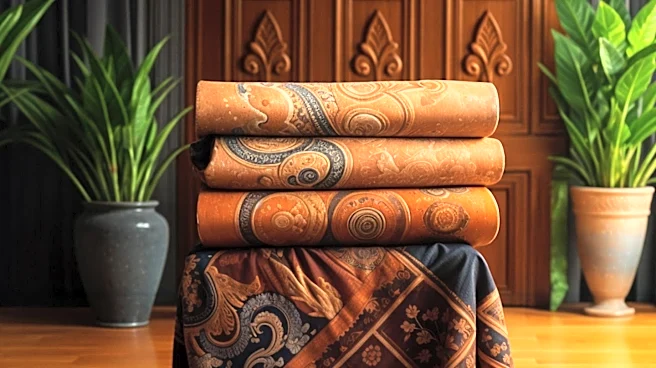
DandyLion and Kristen Farrell & Co have announced the release of their inaugural capsule collection of luxury home goods. This collection distinguishes itself by utilizing surplus, high-quality fabrics sourced through Nona Source, an LVMH-backed platform
dedicated to repurposing exceptional materials. These fabrics, originally intended for garments by renowned luxury fashion houses such as Louis Vuitton, Dior, and Loro Piana, are now being reimagined for home products. The collection transforms materials typically associated with tailored luxury garments, like fine cashmere, wool, and linen, into bedding, pillows, and other home pieces. This initiative aims to bring an elevated level of refinement to everyday living by extending wardrobe-level luxury into the home environment. The collaboration emphasizes artisanal quality, timeless design, and responsible sourcing, with each item handcrafted in Vermont to ensure durability and material integrity.
Why It's Important?
This launch signifies a notable shift in the luxury market towards sustainability and circular design principles within the U.S. home goods sector. By repurposing high-end surplus fabrics, DandyLion and Kristen Farrell & Co are setting a precedent for how luxury brands can address waste while maintaining exclusivity and quality. This approach offers consumers access to premium materials with a reduced environmental footprint, potentially influencing broader industry practices. The collaboration also highlights the growing consumer demand for ethically sourced and sustainable products, pushing manufacturers to innovate in their supply chains and production methods. For the U.S. market, it introduces a new category of luxury home goods that combines high fashion aesthetics with environmental responsibility, appealing to a demographic increasingly conscious of both style and sustainability.
What's Next?
The DandyLion x Kristen Farrell & Co capsule collection is now available, with its debut marking a new direction for luxury home furnishings. The success of this initial collection could pave the way for more collaborations between home goods brands and luxury fashion houses, particularly those focused on sustainable practices. Future developments may include an expansion of the product line, exploring other types of repurposed materials, or engaging with additional luxury platforms to broaden their sourcing. The initiative could also inspire other U.S. designers and brands to adopt similar circular design models, further integrating sustainability into the mainstream luxury market. The focus on handcrafted, durable items suggests a long-term vision for products that are meant to last, potentially shifting consumer expectations regarding the longevity and value of home goods.
Beyond the Headlines
Beyond the immediate product launch, this collaboration touches upon deeper implications regarding the definition of luxury and sustainability. It challenges the traditional linear model of production and consumption in the fashion and home goods industries by demonstrating that luxury can be both exclusive and environmentally responsible. The use of 'runway-quality fabrics' for home items blurs the lines between fashion and interior design, suggesting a more holistic approach to personal and living spaces. Ethically, it promotes the idea of preservation and intention, giving new life to materials that might otherwise be discarded. This movement towards 'circular by design' in luxury goods could foster a cultural shift where consumers value the story and sustainable journey of a product as much as its aesthetic appeal and brand prestige, ultimately influencing long-term consumption patterns in the U.S. market.