






What's Happening?
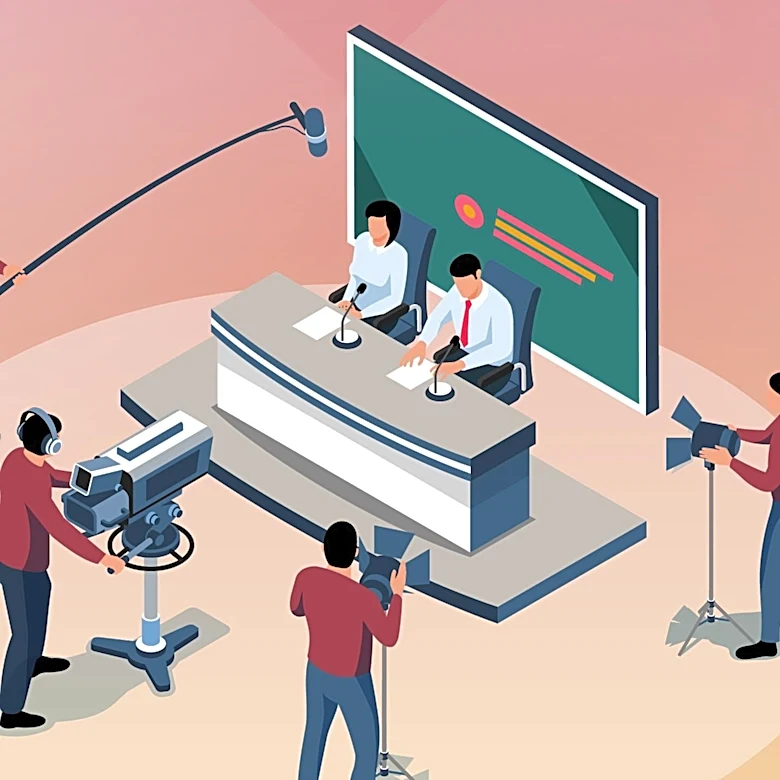
Netflix has integrated artificial intelligence (AI) into the production of approximately 300 of its programs this year, as revealed in its second-quarter earnings report. The company's co-CEO, Ted Sarandos, highlighted that AI is primarily used in production and postproduction
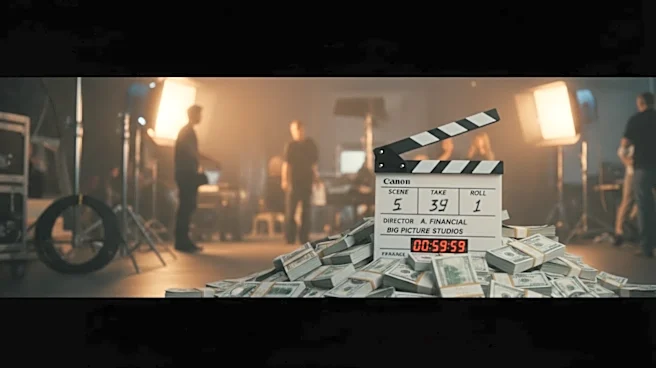
to expedite processes, reduce costs, and create complex shots that might otherwise be unfeasible. This technological adoption includes titles such as 'Glory,' a sports thriller, and 'The American Experiment,' a docuseries. Sarandos emphasized that AI serves as a creative tool rather than a replacement for human artistry, providing creators with enhanced capabilities to realize their visions. Netflix's approach to AI extends beyond production, influencing areas like content discovery and advertising.
Why It's Important?
The use of AI in Netflix's production processes signifies a significant shift in the entertainment industry, where technology is increasingly leveraged to enhance creative output. This development could lead to more efficient production timelines and cost savings, potentially allowing for more ambitious projects. However, it also raises concerns about the role of AI in creative industries, particularly regarding labor displacement and the authenticity of AI-generated content. The entertainment sector is grappling with these issues, as evidenced by recent labor strikes and debates over AI's impact on jobs and creative integrity. Netflix's strategy may set a precedent for other studios, influencing industry standards and practices.
What's Next?
As Netflix continues to explore AI's potential, the industry may see further integration of technology in various production stages. This could prompt other studios to adopt similar practices, potentially leading to a broader acceptance of AI in filmmaking. However, ongoing discussions about ethical and legal implications, such as copyright and labor rights, are likely to persist. Stakeholders, including unions and industry leaders, may push for regulations to ensure fair use of AI and protect creative jobs. The balance between technological advancement and preserving human creativity will be a critical focus for the industry moving forward.
Beyond the Headlines
The integration of AI in entertainment production could have long-term cultural implications, influencing how stories are told and consumed. As AI tools become more sophisticated, they may enable new forms of storytelling that blend human creativity with machine efficiency. This evolution could redefine artistic expression and challenge traditional notions of authorship and originality. Additionally, the ethical considerations surrounding AI's role in creative industries may lead to new standards and practices, shaping the future of entertainment. The industry's response to these challenges will be crucial in determining how AI is perceived and utilized in the years to come.