






What's Happening?
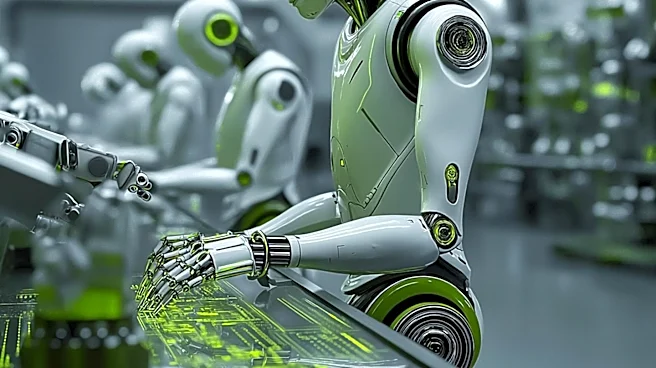
The burgeoning market for humanoid robots, spearheaded by companies like Tesla with its Optimus robots and Chinese firms such as Unitree Robotics, is significantly increasing the demand for rare-earth magnets. These magnets are crucial components for the articulated
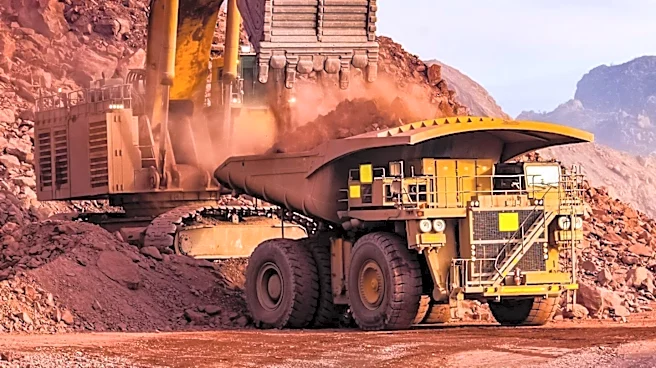
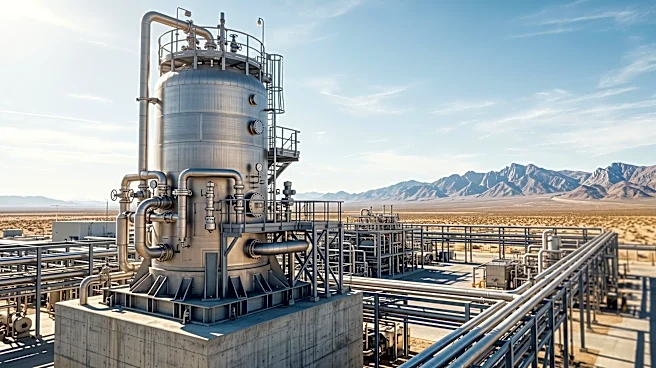
joints and movement capabilities of humanoid robots. According to MP Materials CEO James Litinsky, each humanoid robot will require between 8 and 10 pounds of rare-earth magnet content, which is two to three times the amount found in electric vehicles. This rising demand presents a critical supply chain challenge, as China currently controls approximately 60% of global rare-earth mining and 90% of processing. MP Materials, an American company, is positioning itself as an alternative source for these essential minerals, aiming to mitigate the risks associated with China's dominant position in the rare-earth market.
Why It's Important?
China's near-monopoly on rare-earth minerals poses a significant geopolitical and economic risk for the U.S. and its allies, particularly as humanoid robots are anticipated to become vital resources in both economic and defense sectors. A potential disruption in the supply of rare-earth magnets from China could severely impact U.S.-based manufacturers of humanoid robots, hindering their development and production. MP Materials' efforts to establish a domestic supply chain are therefore critical for national technological competitiveness and strategic independence. While MP Materials' stock has seen a significant decline, its strategic importance in providing a secure supply of rare-earth magnets for a burgeoning industry could lead to substantial long-term growth, offering a defensive characteristic against geopolitical uncertainties.
What's Next?
MP Materials is focused on scaling its operations and securing higher prices for its rare-earth magnets to capitalize on the anticipated surge in demand from the humanoid robot industry. The company's success hinges on its ability to ramp up production and processing capabilities to meet the growing needs of U.S. manufacturers. Investors are closely watching whether MP Materials can achieve profitability and demonstrate its pricing power in a market historically dominated by China. The U.S. government and industry stakeholders are likely to support domestic rare-earth initiatives to reduce reliance on foreign sources, potentially through subsidies, partnerships, or strategic investments, further bolstering MP Materials' position. The long-term trajectory of the humanoid robot market will directly influence the demand and strategic importance of rare-earth suppliers.
Beyond the Headlines
The reliance of advanced technologies like humanoid robots on specific raw materials, particularly those with concentrated global supply chains, highlights a fundamental vulnerability in modern industrial ecosystems. This situation underscores the broader geopolitical competition for critical resources and technological leadership. The push for domestic rare-earth production in the U.S. is not just an economic endeavor but a strategic imperative to ensure national security and maintain a competitive edge in emerging technologies. This dynamic could lead to increased investment in mining and processing technologies, as well as exploration for new rare-earth deposits globally. Furthermore, it may spur innovation in material science to find alternative components or reduce the reliance on rare-earth elements in future robot designs, driven by both economic and strategic considerations.