



What's Happening?
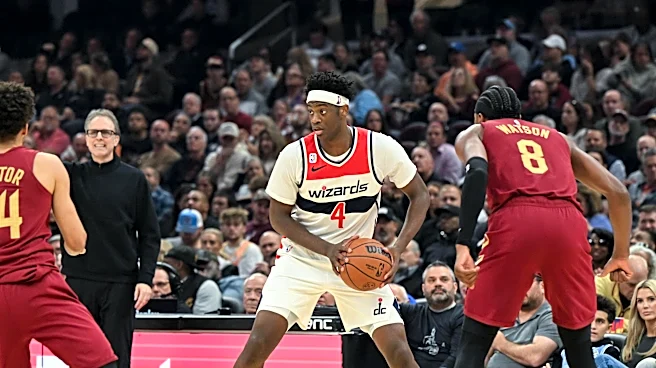
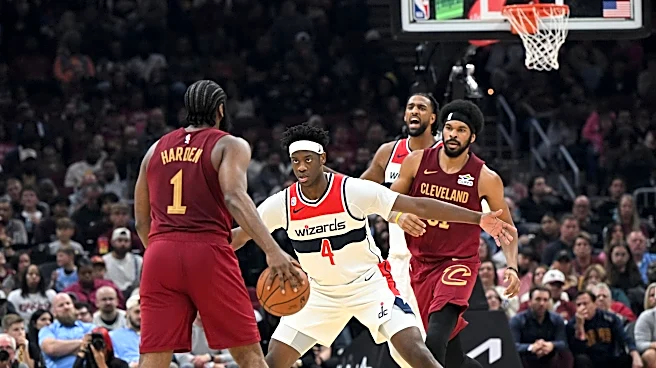
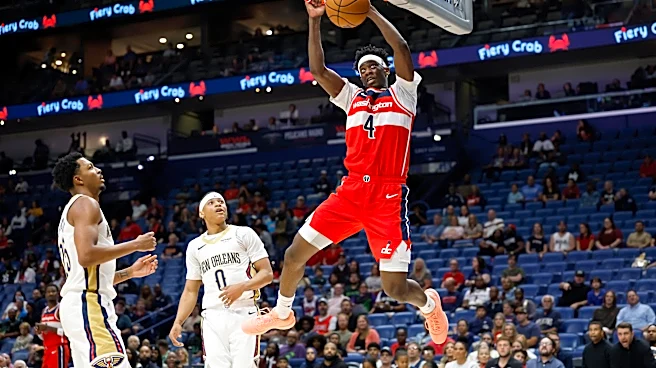
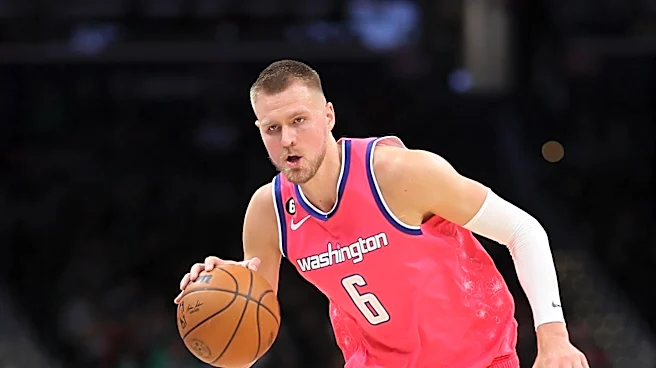
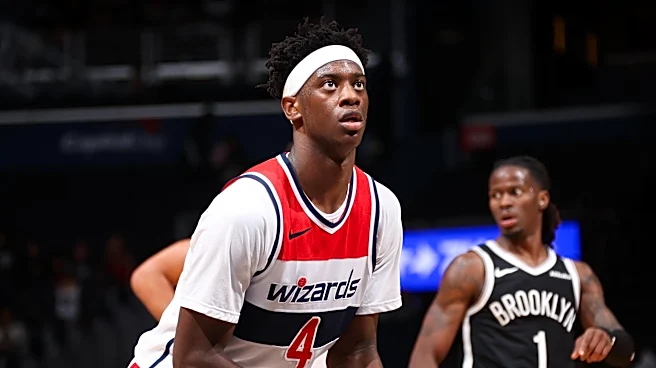
The Washington Wizards are facing significant rebounding challenges early in the 2026-2027 NBA season, despite efforts to bolster their frontcourt with larger players. Through five games, the team ranks 28th in the league, averaging 40 total rebounds
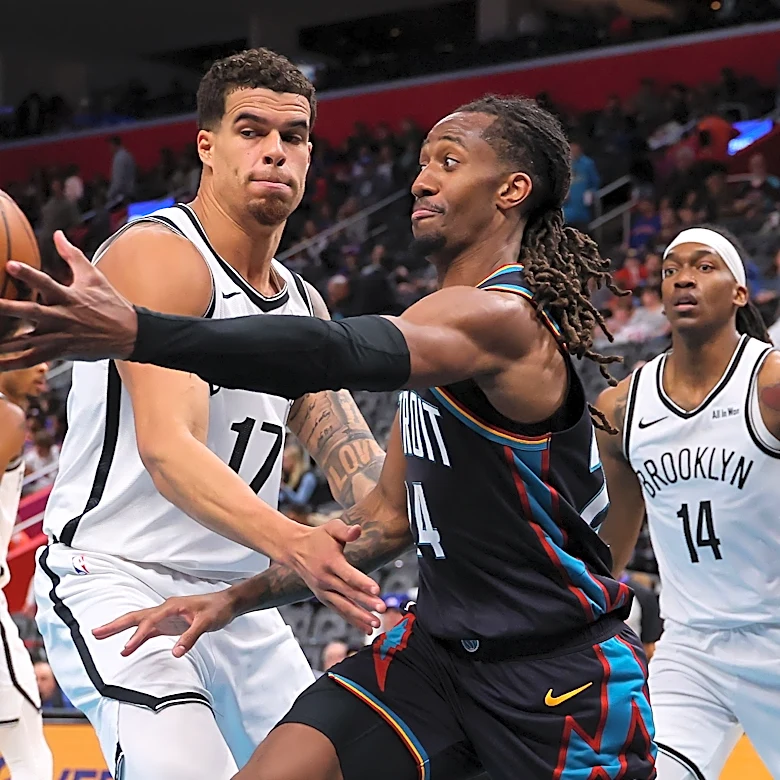
per game. This issue has directly contributed to multiple losses, including a game where they allowed 20 offensive rebounds and 26 second-chance points to the Charlotte Hornets. In their two wins this season, the Wizards outrebounded opponents, while in all three losses, they were significantly out-rebounded. The team's defensive efficiency has improved, with opponents shooting a 50.8% effective field goal percentage, the seventh-best in the NBA, indicating they are forcing more misses. However, their inability to secure defensive rebounds negates these improvements. The situation is further complicated by the recent injury to Justin Champagnie, who underwent surgery for a fractured right foot and was considered the team's most effective rebounder, posting a 27.3% defensive rebounding percentage prior to his injury.
Why It's Important?
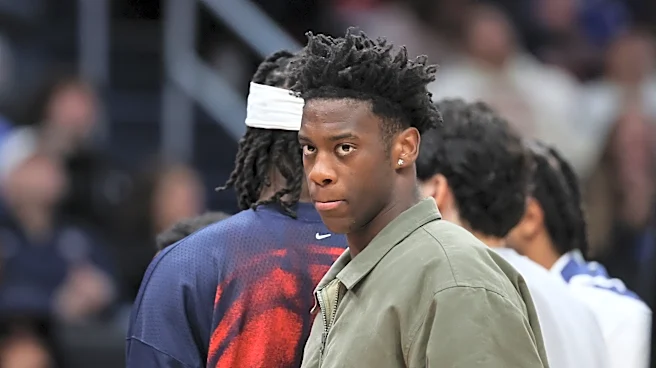
The Washington Wizards' persistent rebounding struggles highlight a critical operational flaw that undermines their strategic goal of becoming a more competitive team. Despite acquiring players like Deandre Ayton to enhance frontcourt depth and overall size, the team's inability to finish defensive possessions by securing rebounds directly impacts game outcomes. This issue is particularly concerning given their improved defensive metrics, as forcing opponents to miss shots is ineffective if those misses lead to second-chance opportunities. For the franchise, this translates to a 2-3 record, placing them in a precarious position early in the season. The absence of Justin Champagnie, a key rebounder, exacerbates the problem, forcing other players like Bilal Coulibaly or AJ Dybantsa to step into roles they may not be fully prepared for. This ongoing challenge could affect team morale, fan engagement, and the overall perception of the team's management and coaching staff's ability to address fundamental basketball deficiencies.
What's Next?
The Washington Wizards are scheduled to host the Charlotte Hornets in NBA Cup play on Friday, October 30, 2026, at Capital One Arena. This game presents an immediate opportunity for the Wizards to address their rebounding issues, especially given their recent loss to the Hornets where rebounding was a significant factor. The team will need to find internal solutions to compensate for Justin Champagnie's absence, with potential reliance on other wings to fill the void. Coach Keefe has indicated that the team will review film and address the issue, suggesting a focus on tactical adjustments and player accountability for securing rebounds. The outcome of upcoming games, particularly against the Hornets, will be crucial in determining if the Wizards can turn around their early-season struggles and demonstrate progress in an area they explicitly aimed to improve.
Beyond the Headlines
The Wizards' struggle with rebounding, despite a deliberate strategy to increase team size, points to a deeper issue beyond just player personnel—it suggests a potential disconnect between strategic planning and on-court execution. This situation raises questions about player development, coaching effectiveness in instilling fundamental skills, and the integration of new talent. The reliance on individual players like Deandre Ayton, who is playing a more limited role than in previous teams, indicates that the team's collective rebounding effort is insufficient. This could lead to a re-evaluation of player roles, training methodologies, and potentially future roster decisions. The long-term implications could affect the team's ability to attract and retain talent, as consistent underperformance in fundamental areas can deter prospective players and impact the team's competitive standing in the league.