




What's Happening?
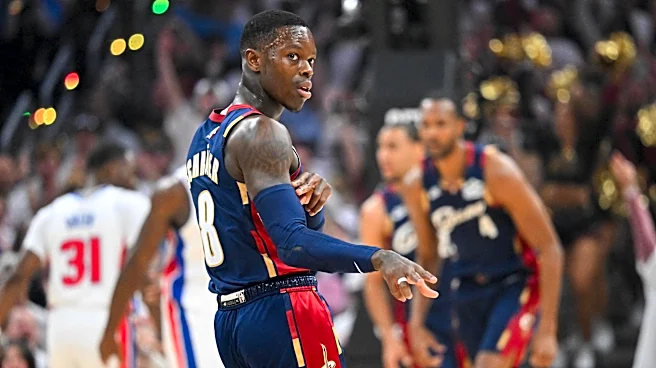
NBA player Anthony Edwards has been legally mandated to pay $14,000 per month in child support to his ex-partner, Alexandria Descroches. This order is for a child, Amir, born in 2023, whom Edwards states he has never met. The court determined this amount
based on Edwards' reported monthly income of nearly $4.8 million, significantly exceeding the baseline child support figure of approximately $3,200 per month. Court documents indicate that Descroches earns around $1,016 monthly and plans to pursue further education to better support their child. In addition to the monthly payments, the judge has ordered Edwards to secure a life insurance policy valued at approximately $2.6 million, naming Descroches as the primary beneficiary, and to cover her legal fees, which total over $21,000. Edwards admitted under oath that he has not met his son and is not seeking any parenting time.
Why It's Important?
This ruling highlights the significant financial obligations that can arise for high-earning individuals in child support cases, particularly in professional sports. The substantial monthly payment and the requirement for a large life insurance policy underscore the court's focus on ensuring the child's financial well-being, even in cases where one parent claims no personal relationship with the child. For professional athletes like Edwards, such legal decisions can have a considerable impact on their personal finances and public image. The case also brings to light the complexities of family law, where financial capacity plays a crucial role in determining support levels, and personal relationships (or lack thereof) between parents and children can be a factor in legal proceedings. This situation could influence how other public figures approach personal relationships and paternity claims, given the potential for significant financial and legal repercussions.
What's Next?
Anthony Edwards will be required to commence the monthly child support payments of $14,000, establish the $2.6 million life insurance policy, and pay Alexandria Descroches' legal fees. The court's decision is legally binding, and non-compliance could lead to further legal action. While Edwards has stated he has not met his son and is not seeking parenting time, future developments could include potential appeals or modifications to the child support order, especially if there are significant changes in his income or the child's needs. The ongoing nature of child support obligations means this financial commitment will be a long-term aspect of Edwards' personal life. The case may also prompt further public discussion regarding the responsibilities of high-profile individuals in similar situations.
Beyond the Headlines
The case of Anthony Edwards extends beyond the immediate financial implications, touching upon broader societal discussions regarding parental responsibility, particularly for public figures. The court's decision to impose a substantial child support order, despite Edwards' claim of never having met his son, emphasizes the legal system's priority on the child's welfare over the nature of the parental relationship. This scenario raises ethical questions about the responsibilities of biological parents, regardless of their personal involvement, and how these responsibilities are enforced through legal means. It also highlights the potential for public scrutiny and reputational impact on athletes and celebrities involved in such cases, influencing public perception of their character and commitment to family. The ruling could serve as a precedent or point of reference in future child support cases involving high-net-worth individuals, reinforcing the principle that financial capacity dictates the level of support provided to a child.