



What's Happening?
Balcony makeovers are increasingly focusing on practical and aesthetic improvements to transform outdoor spaces into functional retreats. Key trends include adding cooling shade through options like shade sails, awnings, or built-in wooden awnings to extend
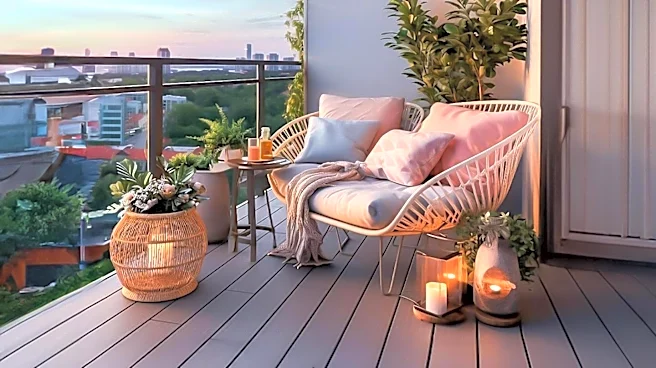
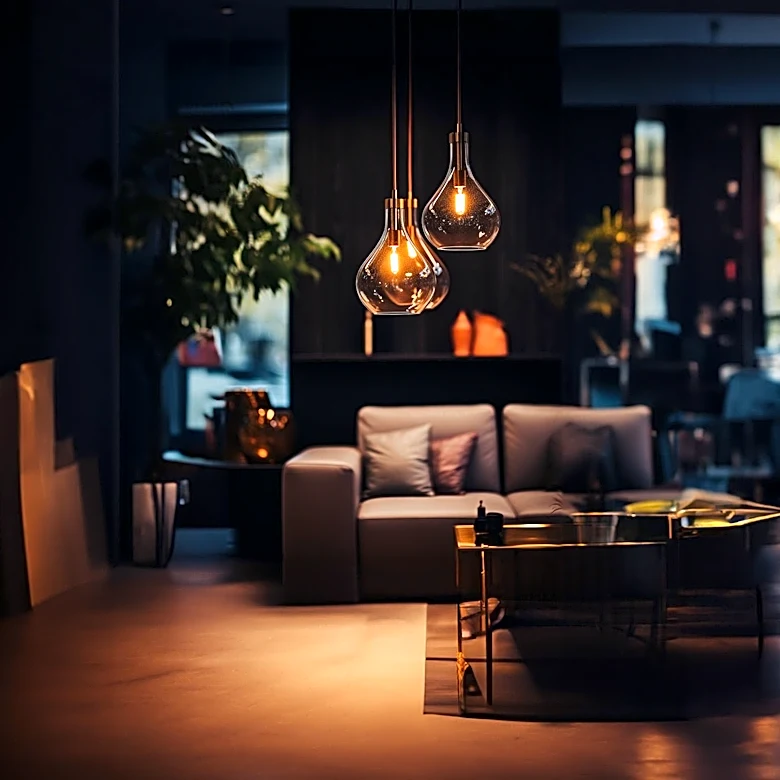
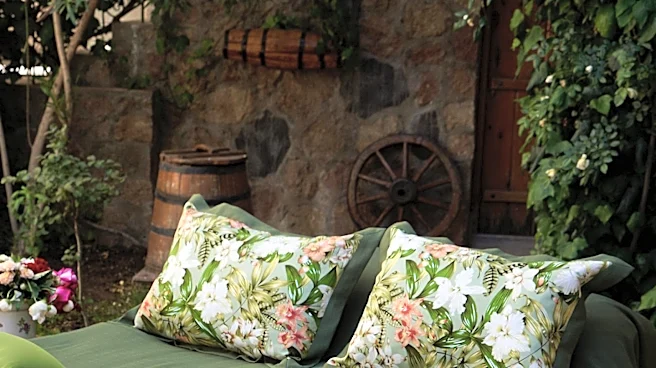
usability. Seating arrangements are being optimized, even in small spaces, by incorporating chairs and small tables to facilitate socializing. Privacy is another significant consideration, with solutions such as bamboo or lattice fences being utilized to cover gaps in railings and create a more secluded environment. Additionally, soft materials like outdoor rugs, cushions, and throw pillows are being introduced to make balconies more inviting and comfortable. Lighting, including candles, string lights, and pendant lights, is used to enhance ambiance, while various flooring options like balcony tiles, vinyl tiles, wooden decking, or outdoor rugs are employed to improve aesthetics and comfort. For renters, no-drill solutions are highlighted, such as using a wooden blanket ladder adorned with fairy lights and silver baubles.
Why It's Important?
The emphasis on balcony makeovers reflects a broader trend in U.S. lifestyle and housing, where outdoor living spaces, regardless of size, are becoming more valued. As urban living continues to grow and apartment dwelling becomes more common, maximizing the utility and comfort of balconies offers significant benefits to residents. These improvements can enhance mental well-being by providing accessible outdoor relaxation areas, which is particularly important in densely populated regions. For the real estate market, well-designed and functional balconies can increase property appeal and value, attracting potential buyers or renters. The demand for versatile outdoor furniture, shading solutions, and decorative elements also stimulates various sectors of the home improvement and retail industries. Furthermore, the focus on renter-friendly, no-drill options indicates an adaptation to the transient nature of many urban residents, promoting accessibility to home improvement for a wider demographic and fostering a sense of personalization in rented spaces.
What's Next?
The trend of balcony makeovers is expected to continue evolving with new products and design philosophies. Manufacturers in the home goods and outdoor living sectors will likely introduce more innovative, space-saving, and weather-resistant solutions tailored for balconies. We may see an increase in modular furniture, smart lighting systems, and sustainable materials designed for outdoor use. Retailers will likely expand their offerings to cater to this growing market, providing more diverse options for shading, seating, and privacy. Design professionals and DIY enthusiasts will continue to share creative solutions, further popularizing the concept of transforming small outdoor spaces. The emphasis on personalization and functionality will drive consumers to seek out unique and practical items, potentially leading to a rise in custom-made balcony accessories and decor. Additionally, as environmental consciousness grows, there may be a greater focus on incorporating eco-friendly materials and vertical gardening solutions into balcony designs.
Beyond the Headlines
Beyond the immediate aesthetic and functional benefits, the rise of balcony makeovers points to a deeper societal shift towards valuing personal outdoor space, even in compact urban settings. This trend underscores a growing desire for connection with nature and a need for personal retreats amidst the hustle of city life. The creative solutions for small spaces highlight ingenuity in adapting to environmental constraints, fostering a culture of resourcefulness and mindful consumption. Ethically, the focus on renter-friendly options promotes inclusivity, allowing individuals in temporary housing to personalize their living environments without fear of lease violations. Culturally, these makeovers contribute to a broader appreciation for home aesthetics and comfort, transforming often-neglected balconies into extensions of living areas. This evolution in how outdoor spaces are perceived and utilized could lead to long-term changes in urban planning and architectural design, with greater emphasis on integrated, functional, and green outdoor areas in future residential developments.