





What's Happening?
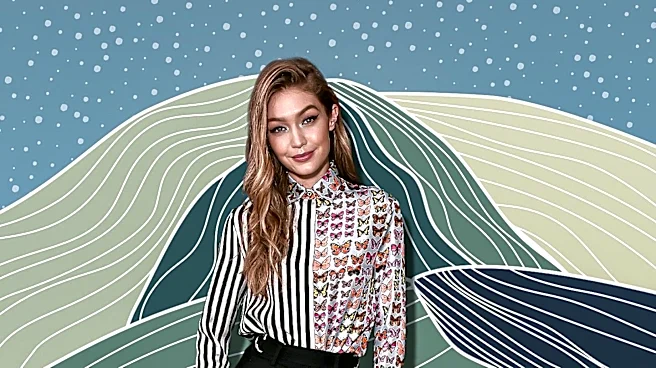
Gigi Hadid and Gisele Bündchen, two prominent figures in the fashion industry, are being compared for their distinct impacts on different eras of modeling. Gigi Hadid, born in 1995, represents the modern social-media fashion era, leveraging digital platforms
and personal branding to build her career. She is known for luxury fashion campaigns, numerous Vogue covers, and her entrepreneurial venture, Guest in Residence. Gisele Bündchen, born in 1980, established her legacy during the classic supermodel era of the late 1990s and 2000s, expanding her influence into business, wellness, and environmental advocacy. Both models have achieved global recognition and worked with major fashion brands, but their career trajectories and methods of influence reflect the evolving landscape of the fashion world.
Why It's Important?
This comparative analysis is important for understanding the evolution of the fashion industry and the changing nature of celebrity and influence in the U.S. and globally. Gigi Hadid's success highlights the critical role of digital platforms and personal branding in contemporary modeling, demonstrating how models can build careers beyond traditional runway and print work. This shift impacts marketing strategies for fashion brands, emphasizing social media engagement and influencer collaborations. Gisele Bündchen's enduring career showcases the power of traditional supermodel status combined with strategic diversification into business and advocacy, setting a precedent for models to become entrepreneurs and public figures. The contrast between their careers illustrates how the industry has adapted to technological advancements and changing consumer behaviors, influencing how new talent is discovered, promoted, and sustained in the competitive fashion market.
What's Next?
The ongoing careers of both Gigi Hadid and Gisele Bündchen will continue to shape the fashion industry. Gigi Hadid is expected to further develop her entrepreneurial ventures and maintain her strong presence on digital platforms, potentially inspiring a new generation of model-entrepreneurs. Her influence will likely continue to drive trends in social media marketing within fashion. Gisele Bündchen, with her established legacy, will likely continue her work in wellness and environmental advocacy, further solidifying the role of models as advocates for social and environmental causes. The industry will likely see more hybrid careers, blending traditional modeling with digital influence and business acumen, as younger models emulate the paths forged by these two influential figures. Brands will continue to adapt their strategies to engage with both traditional and digitally-native audiences.
Beyond the Headlines
The comparison between Hadid and Bündchen delves into deeper cultural shifts regarding beauty standards, media consumption, and the definition of a 'supermodel.' Hadid's rise reflects a more accessible and relatable image often cultivated through social media, where authenticity and direct engagement with fans are highly valued. This contrasts with the more aspirational and somewhat distant allure of supermodels from Bündchen's era. The shift also highlights the increasing commercialization of personal brands, where a model's identity extends far beyond their physical appearance to encompass their lifestyle, values, and business ventures. This evolution has ethical implications, as models navigate the pressures of constant public scrutiny and the commercial demands of maintaining a curated online persona. It also raises questions about the long-term sustainability of careers built primarily on digital influence versus those founded on traditional industry structures.