




What's Happening?
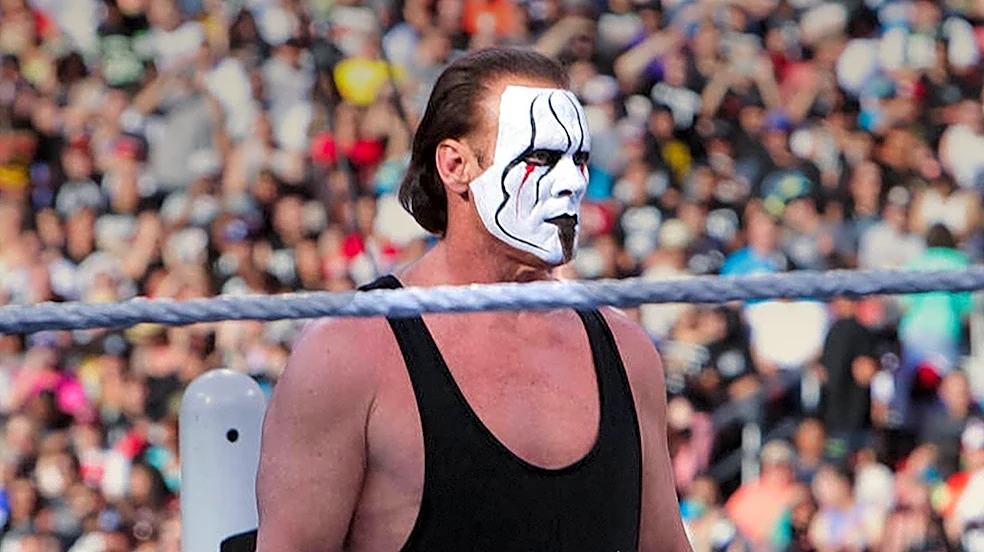
According to Darby Allin and Steve Borden, son of the legendary wrestler Sting, Sting experienced more enjoyment during his tenure with All Elite Wrestling (AEW) than in any other promotion. Steve Borden stated in an interview with 'Q101' that his father's
happiness in AEW was largely due to his positive relationships with the backstage talent and AEW President Tony Khan, feeling extremely respected. Darby Allin, Sting's tag team partner, echoed this sentiment, attributing Sting's satisfaction to Khan's approach of allowing wrestlers to 'live their best lives' both inside and outside the ring. Allin also revealed that he played a role in convincing Sting to return to live competition, as Sting had initially retired from WWE in 2015 due to injury and was brought into AEW for cinematic matches.
Why It's Important?
This insight into Sting's experience highlights a significant difference in company culture and management philosophy between major wrestling promotions. The emphasis on wrestler well-being and creative freedom, as described by Allin and Borden, can be a major draw for talent, particularly veterans like Sting who have experienced various industry environments. For AEW, this positive feedback from a wrestling icon reinforces its reputation as a talent-friendly organization, potentially attracting more high-profile wrestlers seeking a more fulfilling career environment. It also underscores the impact of leadership, with Tony Khan's approach being credited for fostering a supportive atmosphere. This narrative can influence public perception of AEW, distinguishing it from competitors and potentially contributing to its growth and market share in the competitive landscape of professional wrestling.
What's Next?
The positive testimonials from Sting and his associates about AEW's environment could continue to shape the narrative around the promotion, potentially influencing other wrestlers' career decisions. As AEW continues to grow, maintaining this reputation for wrestler-centric management will be crucial for its long-term success and ability to attract and retain top talent. This could lead to further discussions within the industry about best practices for wrestler welfare and creative autonomy. For Darby Allin, his role in convincing Sting to return and their successful partnership further solidifies his standing within AEW as a respected figure capable of influencing major talent. The legacy of Sting's final run in AEW, characterized by enjoyment and creative freedom, will likely be a recurring theme in discussions about his career and the evolution of professional wrestling.
Beyond the Headlines
The story of Sting's renewed enjoyment in AEW delves into the deeper psychological and professional needs of athletes in high-pressure entertainment industries. After a long and storied career, the ability to perform on one's own terms, feel respected, and have a supportive environment can be more valuable than financial incentives alone. This narrative challenges the traditional 'grind' mentality often associated with professional wrestling, suggesting a shift towards a more sustainable and humane approach to talent management. It also highlights the importance of personal relationships and trust between management and performers, which can foster loyalty and enhance creative output. The 'living their best lives' philosophy, if genuinely implemented, could set a new standard for how wrestling promotions operate, potentially leading to improved mental health outcomes and longer, more fulfilling careers for wrestlers across the industry.