



What's Happening?
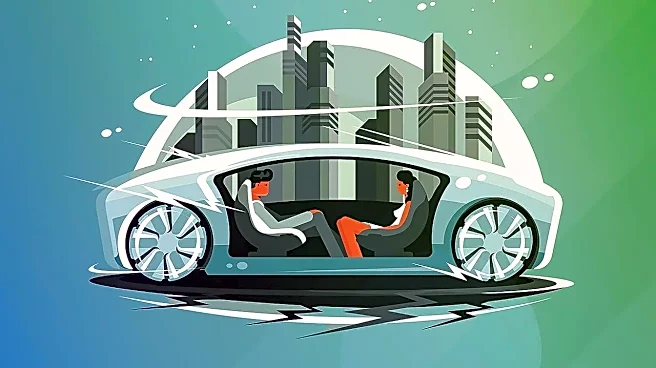
Tesla reported disappointing second-quarter profits, missing analysts' expectations due to increased spending on AI and robotics. CEO Elon Musk plans to invest over $25 billion this year, nearly triple the previous year's expenditure, focusing on AI-powered
self-driving technology and robotics. This shift has led to negative free cash flow for the first time in over two years. Despite rising vehicle deliveries, Tesla's profitability was impacted by higher operating expenses and lower average selling prices.
Why It's Important?
Tesla's financial performance is closely watched by investors, as the company is a leader in the electric vehicle market. The increased spending on AI and robotics reflects Musk's vision for the future of transportation, but it also raises concerns about the company's ability to maintain profitability. The focus on high-margin revenue streams like self-driving technology and energy storage is crucial for Tesla's long-term growth, but the current financial strain could affect investor confidence.
What's Next?
Tesla will need to demonstrate the viability of its AI and robotics investments to reassure investors. The company is also seeking regulatory approval for its self-driving technology in Europe and China, which could open new markets and revenue opportunities. As competition in the EV market intensifies, Tesla's ability to innovate and maintain its leadership position will be critical.