

What's Happening?
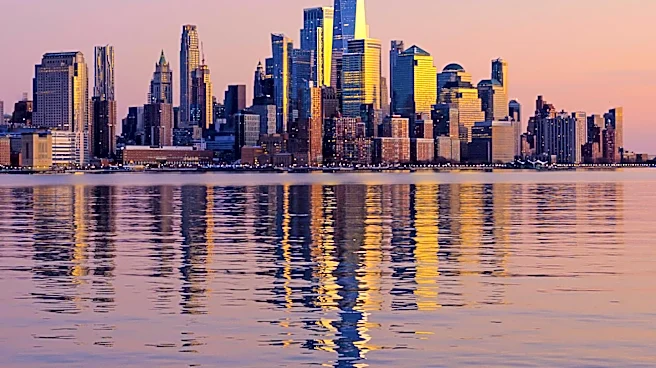
Dubai, United Arab Emirates, is renowned for its blend of modern architecture and rich cultural heritage, offering a wide array of attractions for visitors. Key landmarks include the Burj Khalifa, the world's tallest building, and the expansive Dubai Mall,
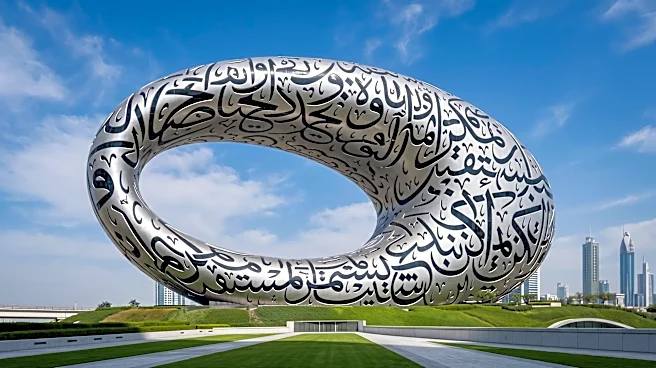
which features numerous shops, dining options, an aquarium, and an ice rink. The city also boasts the choreographed Dubai Fountain shows and the futuristic Museum of the Future. For those interested in history, the Al Fahidi Historical Neighbourhood and Dubai Creek provide glimpses into Old Dubai with wind-tower houses, traditional souks, and abra rides. Other attractions include the Palm Jumeirah, Jumeirah Mosque, Dubai Frame, Ski Dubai, Dubai Miracle Garden, and Global Village, catering to diverse interests from luxury experiences to cultural immersion and family entertainment.
Why It's Important?
Dubai's diverse range of attractions significantly impacts its tourism industry, making it a global destination for various types of travelers. The combination of ultra-modern marvels like the Burj Khalifa and traditional sites such as the Al Fahidi Historical Neighbourhood allows Dubai to appeal to a broad demographic, from luxury seekers to cultural enthusiasts. This broad appeal drives substantial economic activity through tourism, hospitality, and retail sectors. The continuous development of new attractions, such as the Museum of the Future and seasonal gardens, ensures a fresh appeal, encouraging repeat visits and sustained international interest. This robust tourism sector supports numerous jobs and contributes significantly to the city's GDP, solidifying its position as a major player in the global travel market.
What's Next?
Dubai is expected to continue its strategic development of tourism infrastructure and attractions to maintain its status as a premier global destination. Future plans will likely focus on enhancing existing sites, introducing new innovative experiences, and potentially expanding into niche tourism markets. The city's commitment to hosting major events, such as the Women's Asia Cup 2026, further solidifies its role as an international event hub. Visitors can anticipate ongoing efforts to improve accessibility, integrate technology into visitor experiences, and promote sustainable tourism practices. The emphasis will remain on offering a diverse portfolio that caters to evolving traveler preferences, ensuring Dubai's continued growth and appeal in the competitive global tourism landscape.
Beyond the Headlines
Beyond the immediate economic benefits, Dubai's diverse attractions reflect a deliberate strategy to cultivate a multifaceted global identity. The juxtaposition of hyper-modern structures with preserved historical districts speaks to a broader narrative of progress rooted in heritage. This approach helps to counter perceptions of Dubai as merely a city of opulence, showcasing its cultural depth and historical roots. The development of attractions like the Museum of the Future also positions Dubai as a forward-thinking city, investing in innovation and future-oriented experiences. This blend of old and new, tradition and innovation, contributes to a unique cultural tapestry that attracts a global audience, fostering cross-cultural understanding and exchange on a significant scale.