




What's Happening?
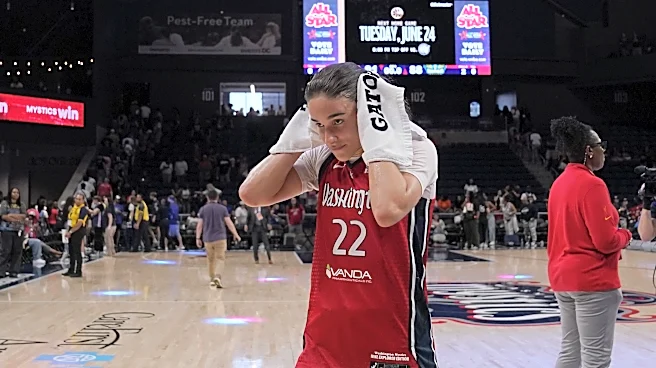
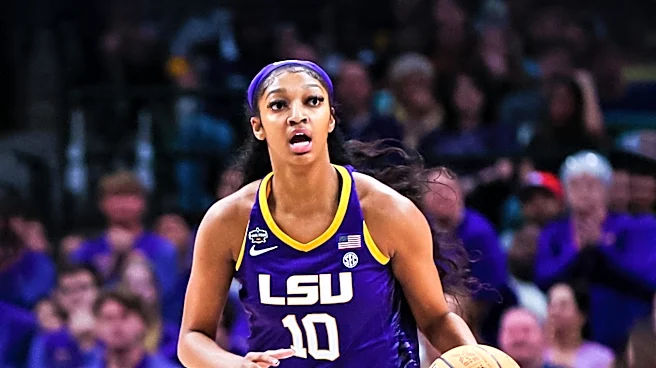
Angel Reese, a prominent WNBA player, recently encountered an overconfident fan attempting to flirt with her courtside at a New Orleans Pelicans game, where she was supporting her brother, Julian Reese. According to Yahoo Sports, the fan approached Reese and
mistakenly called her 'Angela Reese,' prompting her to correct him. Despite the correction, the fan persisted, blaming a drink for his error and then complimenting her as the 's****** zebra' in the building. Reese's interaction with the fan, which was captured and shared online, has drawn attention to the types of unsolicited advances and awkward encounters that female athletes frequently face. This incident follows a previous viral moment during the WNBA Finals where a fan held up a sign proposing marriage to Reese, which she reportedly laughed off. The article suggests that such incidents are part of a 'much creepier reality' that female players deal with regularly.
Why It's Important?
This event is important as it highlights the persistent issue of objectification and harassment faced by female athletes, even in public and professional settings. For U.S. sports, particularly women's leagues like the WNBA, such incidents can detract from the focus on athletic achievement and create an uncomfortable environment for players. It underscores the need for increased awareness and measures to protect athletes from unwanted attention and inappropriate behavior from fans. The public nature of this interaction, and its subsequent viral spread, also brings to light the challenges female public figures face in maintaining personal boundaries and dignity in an era of constant digital scrutiny. This can impact player well-being, fan engagement, and the overall image of women's sports, emphasizing the ongoing struggle for respect and professionalism.
What's Next?
The incident involving Angel Reese and the fan is likely to fuel further discussions within sports communities and among the public about fan etiquette and the treatment of female athletes. Leagues and teams may consider reinforcing codes of conduct for spectators and implementing stricter policies to prevent such interactions. Athletes themselves may continue to use their platforms to speak out against harassment, potentially leading to greater advocacy for safer environments at sporting events. Social media will remain a key platform for these discussions, influencing public opinion and potentially prompting changes in how fans interact with athletes. The ongoing visibility of such incidents could also encourage more comprehensive support systems for athletes dealing with unwanted attention.
Beyond the Headlines
Beyond the immediate event, this incident reflects broader societal issues concerning gender dynamics and public behavior. It highlights the double standards often applied to female public figures, who are frequently subjected to objectification and personal intrusions that male counterparts might not experience to the same degree. The fan's persistence despite being corrected also points to a lack of respect for personal boundaries. This situation can contribute to a culture where female athletes are seen as accessible for personal advances rather than solely as professionals. It raises questions about the responsibility of event organizers to ensure a safe and respectful environment for all participants, including athletes, and the role of public education in fostering appropriate fan behavior. The 'creepy reality' mentioned in the article suggests a systemic problem that extends beyond isolated incidents, impacting the mental and emotional well-being of female athletes.