




What's Happening?
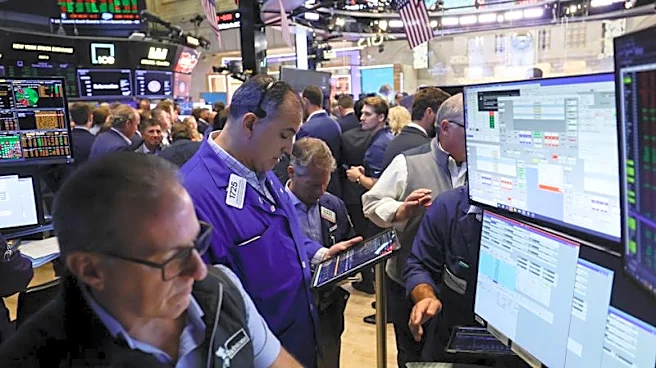
Prediction markets, where investors bet on the likelihood of events, are gaining traction as tools for forecasting and risk management. Platforms like Kalshi are using these markets to track political sentiment and hedge business risks. Despite their
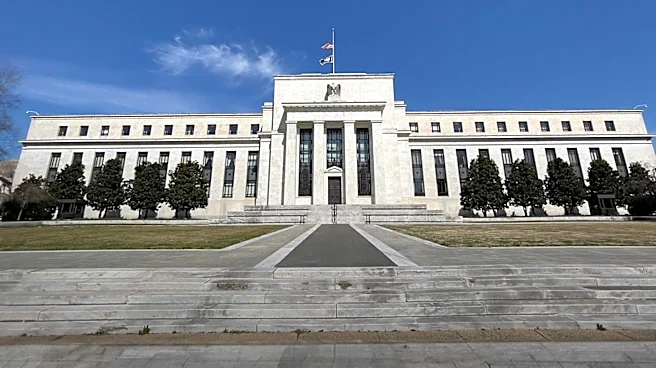
potential, prediction markets face challenges, including issues with contract clarity and instances of manipulation. The U.S. Federal Reserve has noted that prediction markets can outperform traditional futures markets in forecasting interest rates and inflation. As these markets evolve, they are attracting interest from institutional investors and could become significant data sources for decision-making.
Why It's Important?
The growth of prediction markets represents a shift in how data is used for forecasting and risk management. By providing real-time insights into market sentiment, these platforms offer valuable information for investors and businesses. However, the challenges they face, such as contract clarity and potential manipulation, highlight the need for regulatory oversight and improved market structures. As prediction markets continue to develop, they could play a crucial role in shaping investment strategies and economic forecasts.
Beyond the Headlines
The rise of prediction markets could lead to broader changes in financial markets, including the development of new financial products and services. As these markets become more integrated with traditional financial systems, they may also influence regulatory frameworks and market dynamics. The potential for prediction markets to democratize access to financial data and insights could have significant implications for both individual investors and larger financial institutions.