




What's Happening?
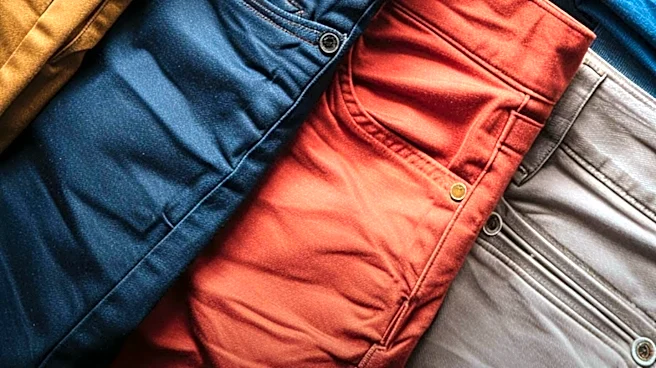
Menswear editor David Hellqvist's new book, 'Blue Collar Modernism,' delves into the history and evolution of workwear, broadening its definition beyond traditional brands like Levi's and Carhartt. The book explores how garments originally designed for
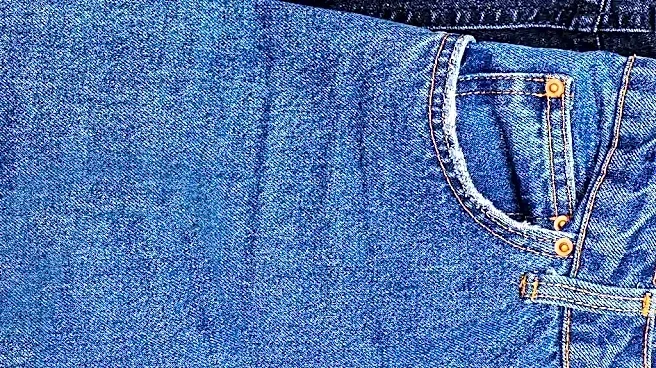
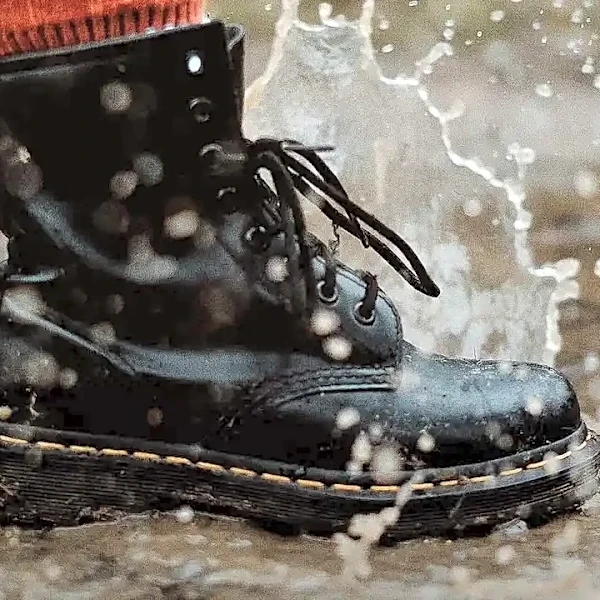
manual labor, such as jeans, chore coats, and military boots, have transitioned into mainstream fashion. Hellqvist highlights that while blue-collar jobs have significantly decreased in the U.S. workforce since the 20th century, the aesthetic of workwear continues to resonate. He notes that many contemporary designers are inspired by the functionality and durability of workwear, even if their creations are not intended for actual labor. The book features brands like Auralee, Fera, and Mfpen, which reinterpret workwear for a modern context.
Why It's Important?
This exploration of workwear's influence is significant for the U.S. fashion industry and consumers. It highlights a deep-seated cultural connection to the imagery of labor and craftsmanship, even as the nature of work changes. For U.S. brands, understanding this enduring appeal can inform design strategies and marketing, tapping into nostalgia and perceived authenticity. The book also points to a consumer desire for durable, functional clothing, which could drive innovation in textile technology and sustainable production. Furthermore, the phenomenon of 'dressing for the job you don't have' reflects broader societal trends regarding identity, aspiration, and the romanticization of certain lifestyles, impacting how fashion is consumed and perceived across different demographics in the U.S.
What's Next?
The release of 'Blue Collar Modernism' is likely to spark further discussion and interest in the workwear aesthetic within the fashion community and among consumers. This could lead to an increased focus on heritage brands and a surge in new designers drawing inspiration from utilitarian garments. Retailers in the U.S. may expand their offerings of workwear-inspired clothing, catering to a growing demand for durable and functional fashion. The book's insights could also influence fashion education, encouraging students to explore the historical and cultural contexts of clothing. Ultimately, the ongoing fascination with workwear suggests a continued evolution of its interpretation, blending historical authenticity with contemporary style.
Beyond the Headlines
The enduring popularity of workwear in fashion reveals a complex interplay between class, identity, and aspiration. As fashion historian Sonya Abrego notes, early adopters of workwear often sought to make an 'anti-fashion statement,' which has since been recontextualized as edgy and cool. This phenomenon raises questions about authenticity and the commodification of working-class aesthetics. While some critics may view it as ironic or even hypocritical for white-collar workers to adopt blue-collar attire, it also speaks to a universal human desire for connection to tangible skills and a sense of purpose. The trend highlights how fashion can serve as a form of storytelling, allowing individuals to project desired qualities and narratives, regardless of their actual profession. This cultural appropriation, while sometimes controversial, underscores fashion's role in reflecting and shaping societal values.