






What's Happening?
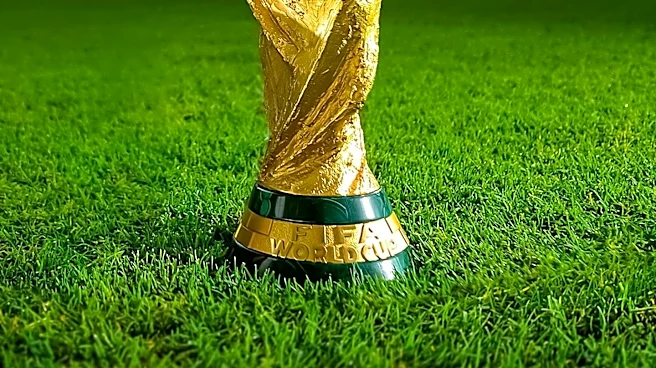
The 2026 FIFA World Cup knockout stage has begun with unexpected outcomes and thrilling matches. Notably, Germany, a four-time champion, was eliminated by Paraguay in a dramatic penalty shootout, marking their third consecutive World Cup without a knockout stage win
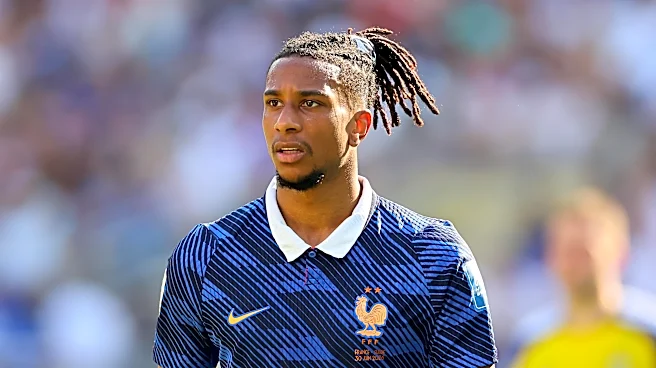
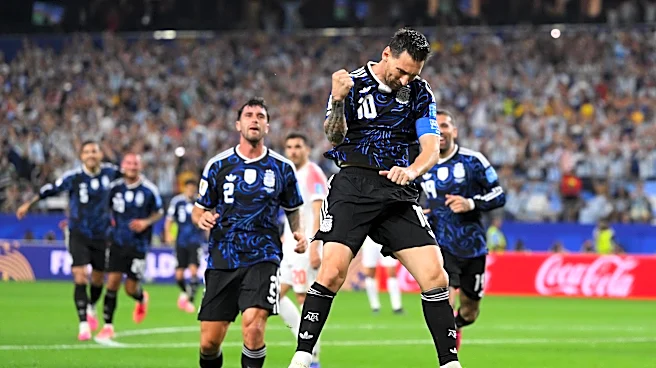
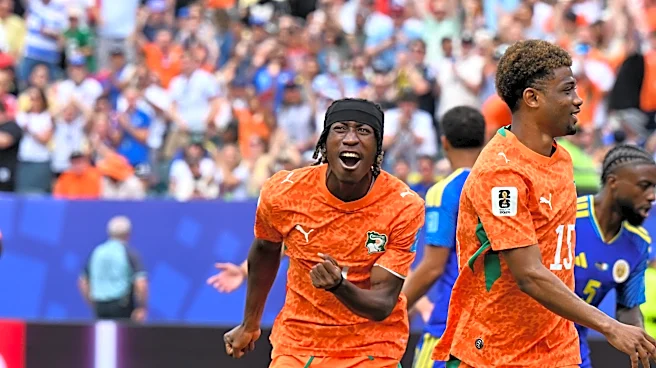
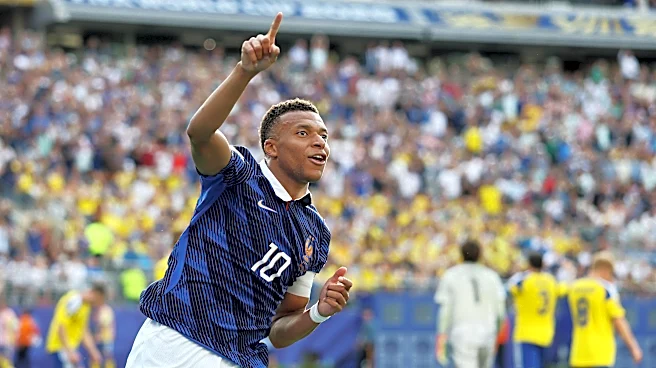
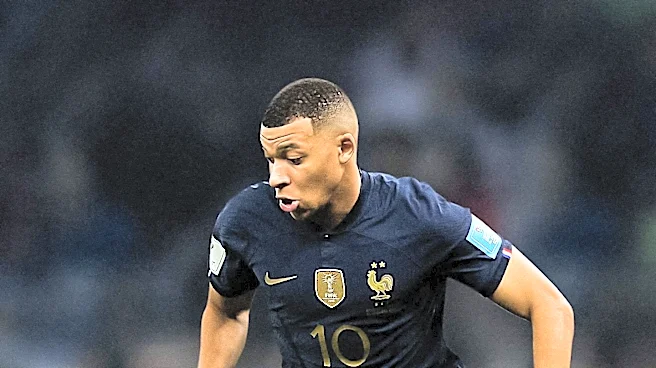
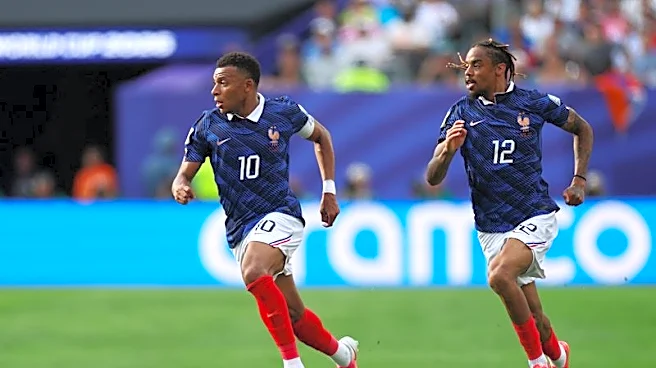
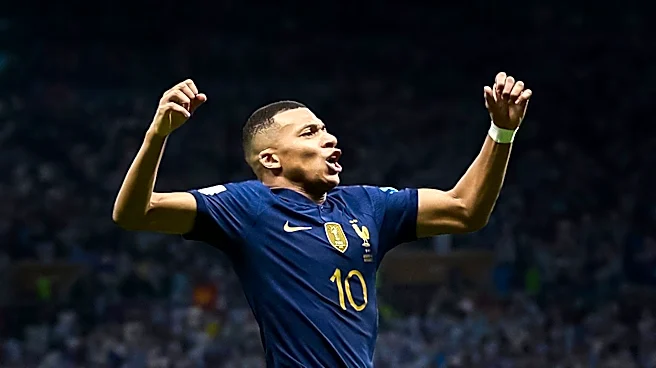
since 2014. This result has prompted calls for introspection within the German football federation. Meanwhile, Norway celebrated a historic victory over Côte d'Ivoire, thanks to Erling Haaland's decisive goal, marking their first knockout stage appearance in 28 years. Mexico also broke their 'El Quinto Partido' curse by defeating Ecuador, advancing to face England. Canada made history by reaching the Round of 16 for the first time, defeating South Africa. France, led by Kylian Mbappé, continues to dominate, defeating Sweden 3-0, with Mbappé tying Lionel Messi for the top goalscorer of the tournament.
Why It's Important?
The outcomes of the 2026 World Cup knockout stage have significant implications for international soccer. Germany's early exit highlights a potential decline in their football dominance, prompting a need for strategic reassessment. Norway's and Canada's successes reflect the growing competitiveness and global reach of soccer, inspiring smaller nations. Mexico's advancement could boost national morale and soccer's popularity domestically. France's continued success underscores their status as a formidable force in international soccer, with Mbappé emerging as a potential all-time great. These developments could influence future World Cup strategies and the global soccer landscape.
What's Next?
As the tournament progresses, attention will focus on upcoming matches, including Mexico's clash with England and Paraguay's challenge against France. The outcomes of these matches could further shift the balance of power in international soccer. Stakeholders, including national teams and football federations, will likely analyze these results to inform future strategies and player development programs. The performances of emerging soccer nations may encourage increased investment in the sport, potentially altering the competitive dynamics of future tournaments.