


What's Happening?
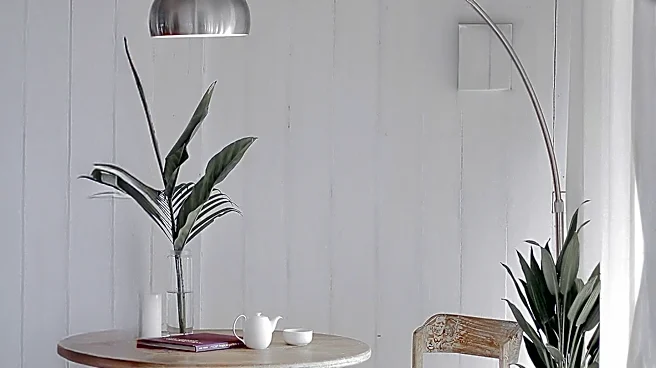
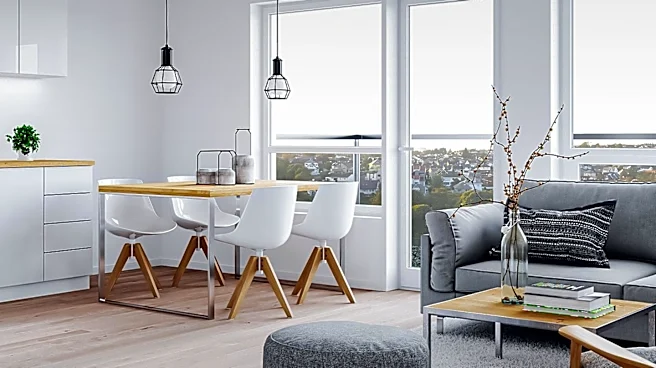
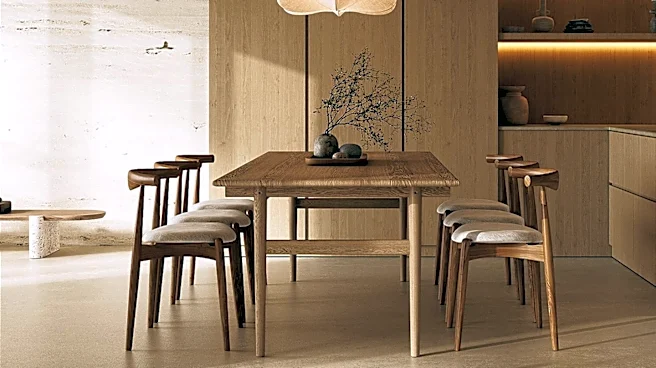
Scandinavian minimalism in home design prioritizes simplicity, abundant natural light, and functional furniture characterized by clean lines and neutral color palettes. The approach advocates for minimal yet intentional decor, aiming to create calm and inviting
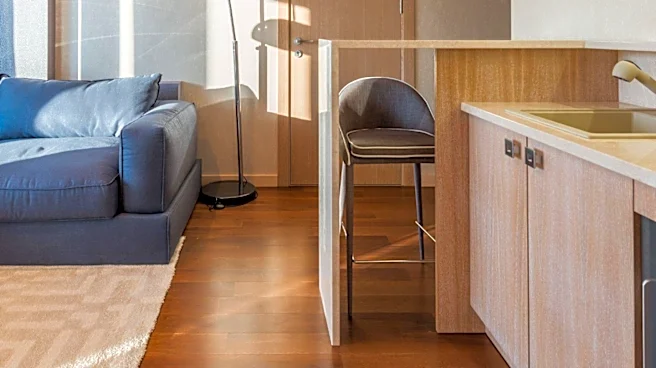
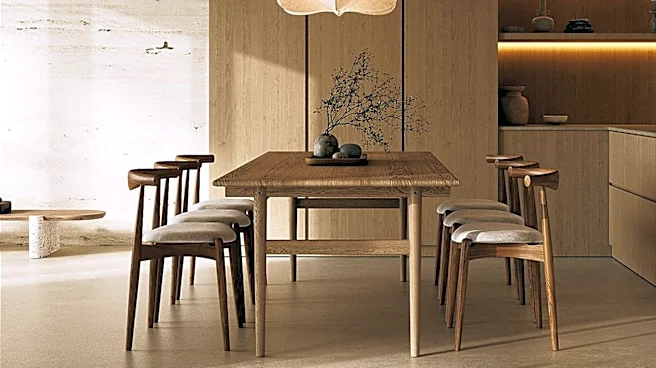
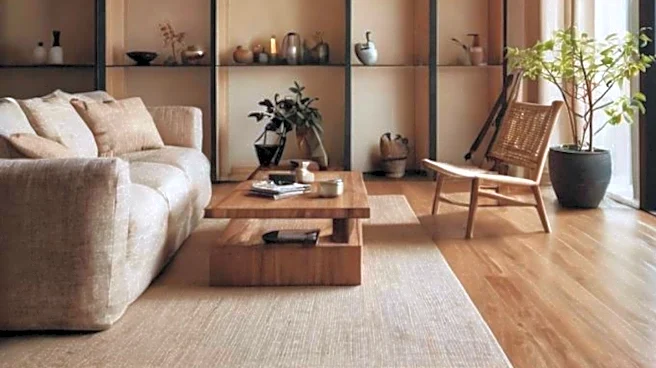
living spaces. Key elements include furniture that emphasizes comfort and natural textures, with subtle decorative accents thoughtfully placed. The design philosophy suggests that objects with clean aesthetics, natural inspiration, and gentle movement are best suited for Scandinavian interiors. This style avoids an all-neutral room, which can appear boring, by incorporating one contrasting piece to provide visual interest and prevent the space from feeling flat. For instance, a black accent chair can make birch tones appear deliberately warm and white linen crisp, rather than washed out. The layout often involves orienting sofas towards natural light sources like windows, rather than screens, to enhance the room's ambiance and how it is used throughout the day. Additionally, furniture with visible legs is preferred to allow light and floor to pass underneath, making the room appear lighter and less bulky, contrasting with skirted furniture that can make a sparsely furnished room feel heavy.
Why It's Important?
This design philosophy is important because it offers a counter-narrative to consumer-driven interior trends, promoting a more thoughtful and sustainable approach to home furnishing. By focusing on functionality, natural light, and intentional decor, Scandinavian minimalism can significantly impact well-being by creating serene and uncluttered environments, which can reduce stress and improve focus. The emphasis on durable, well-designed pieces over transient trends encourages investment in quality, potentially reducing waste and promoting a more eco-conscious lifestyle. Furthermore, the principle of using one contrasting piece to add character challenges the notion that minimalism must be devoid of personality, demonstrating how strategic choices can elevate a space without adding clutter. This approach can influence U.S. consumers and designers to reconsider their decorating habits, moving towards more mindful consumption and design practices that prioritize long-term comfort and aesthetic value over fleeting styles. The focus on natural light also highlights the importance of architectural and spatial planning in maximizing environmental benefits within residential settings.
What's Next?
The continued influence of Scandinavian minimalism suggests a growing trend towards more conscious and sustainable living practices in the U.S. interior design market. Consumers are likely to increasingly seek out furniture and decor that are not only aesthetically pleasing but also functional, durable, and environmentally friendly. This could lead to a greater demand for brands that embody these principles, potentially shifting market dynamics towards higher-quality, timeless pieces rather than mass-produced, disposable items. Designers may further integrate principles like maximizing natural light and creating multi-functional spaces into their projects, responding to a desire for homes that are both beautiful and practical. Educational resources and workshops on minimalist design and sustainable living are also expected to gain popularity, empowering individuals to apply these concepts in their own homes. The emphasis on intentionality in decor could also foster a deeper appreciation for craftsmanship and the stories behind individual pieces, moving away from purely aesthetic considerations to a more holistic view of home environments.
Beyond the Headlines
Beyond its aesthetic appeal, Scandinavian minimalism reflects deeper cultural and psychological implications. The emphasis on decluttering and intentional living can be seen as a response to the overwhelming consumerism prevalent in many societies, including the U.S. It promotes a philosophy where less is truly more, encouraging individuals to value experiences and relationships over material possessions. This approach can foster a sense of calm and mental clarity, as a less cluttered physical space often translates to a less cluttered mind. Ethically, the focus on natural materials and durability aligns with growing environmental consciousness, advocating for responsible consumption and production. Culturally, it highlights a shift towards valuing quality and longevity, moving away from a throwaway culture. The design's ability to create inviting yet simple spaces also underscores the importance of home as a sanctuary, a place for rest and rejuvenation, which is increasingly vital in a fast-paced world. This movement could inspire broader societal changes, encouraging a re-evaluation of what truly constitutes a fulfilling and sustainable lifestyle.