

What's Happening?
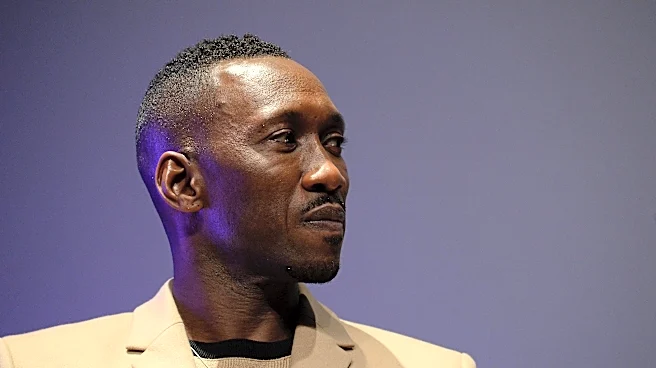
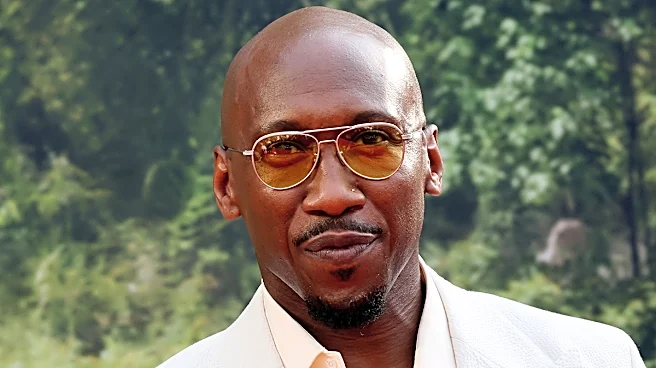
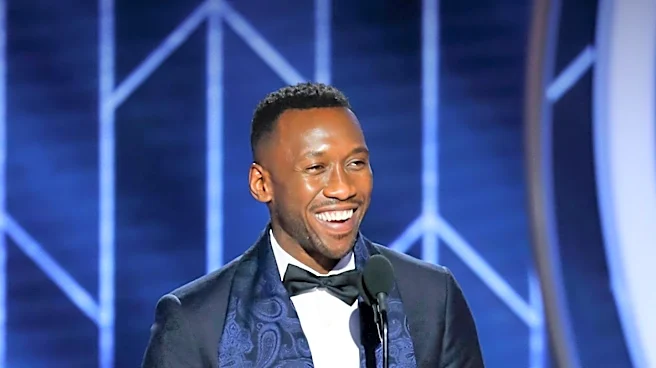
Award-winning actor Mahershala Ali has expressed that despite winning two Academy Awards, he still faces significant challenges in securing roles in Hollywood. Speaking on the '7PM in Brooklyn' podcast, Ali stated that his Oscars for 'Moonlight' and 'Green
Book' 'don’t matter' in the casting room and 'don’t translate to anything real.' He elaborated that the 'vast majority' of projects that receive greenlights do not have suitable roles for him. Ali emphasized that there is a greater abundance of talented actors than there is quality material, suggesting that even '17 Oscars' would not change his situation unless projects are specifically written or greenlit with him in mind. He also addressed the impact of Diversity, Equity, and Inclusion (DEI) rollbacks on the types of stories being produced, while stressing his desire to be cast for compelling material as a Black actor, rather than being typecast in 'diversity projects.'
Why It's Important?
Mahershala Ali's comments highlight a persistent issue within the entertainment industry regarding the availability of diverse and meaningful roles, even for highly acclaimed actors. His perspective challenges the common perception that multiple Oscar wins automatically translate into an abundance of opportunities. This situation underscores the systemic nature of role availability and project development in Hollywood, suggesting that talent and recognition alone may not overcome ingrained industry practices. The discussion also touches upon the broader implications of DEI initiatives and their potential rollback, indicating how such shifts can influence the types of narratives that get produced and, consequently, the roles available to actors from underrepresented groups. Ali's desire to be cast for great material, rather than for diversity quotas, reflects a broader aspiration among actors for authentic and complex character portrayals.
What's Next?
Ali's statements are likely to fuel ongoing conversations within Hollywood about diversity, equity, and the creative development process. Industry stakeholders, including writers, producers, and studio executives, may face renewed scrutiny regarding their commitment to creating a wider range of roles and stories. The discussion could also prompt further examination of the impact of DEI policies and their effectiveness in fostering genuine inclusivity in casting and production. Actors and advocates may use Ali's remarks to push for more substantive changes in how projects are conceived and greenlit, advocating for narratives that naturally incorporate diverse characters rather than tokenizing them. This could lead to increased pressure on studios to invest in a broader spectrum of storytelling that reflects the diverse talent pool available.
Beyond the Headlines
Ali's candid remarks delve into the deeper structural issues within the film industry, suggesting that even at the pinnacle of success, systemic barriers can limit artistic opportunities. This raises questions about the true value of accolades like the Oscars in fostering career longevity and diverse representation. It also highlights the often-unseen struggle of actors, particularly those from marginalized communities, to find roles that challenge them creatively and avoid stereotypical portrayals. The conversation extends beyond individual actors to the broader cultural impact of the stories Hollywood chooses to tell, and by extension, the stories it chooses not to tell. Ali's experience underscores the need for a fundamental shift in creative development and decision-making processes to ensure that talent is fully utilized and diverse narratives are genuinely embraced, rather than merely acknowledged.