




What's Happening?
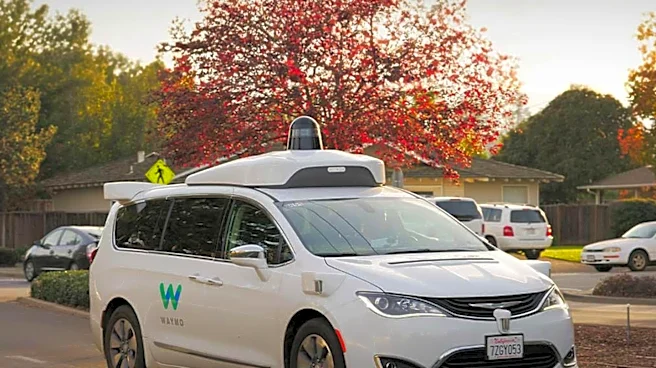
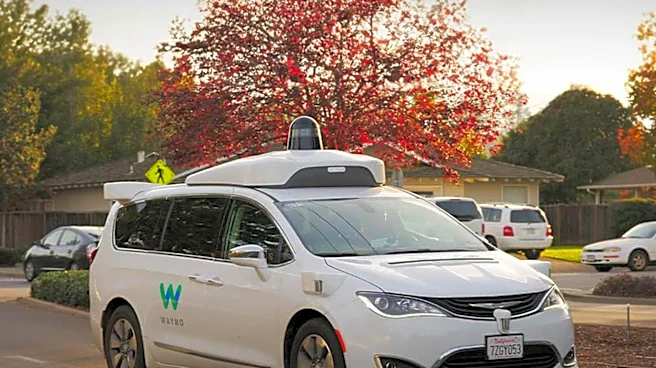
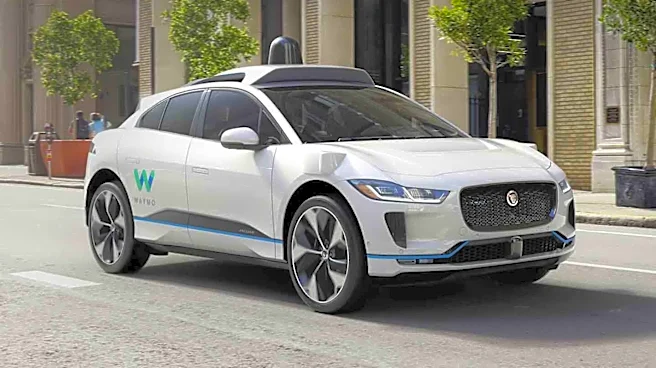
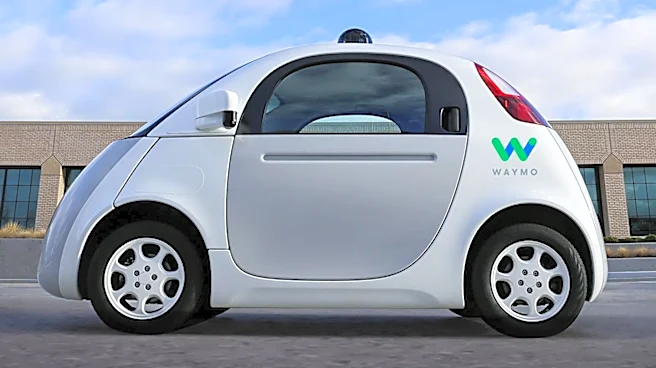
Waymo has issued two voluntary recalls covering 4,488 robotaxis after its automated-driving system repeatedly failed to recognize closed freeway lanes and respond appropriately to manual traffic control. The recalls were filed on November 19, following
11 incidents between October 1 and November 9 where Waymo vehicles entered construction zones or failed to navigate around California Highway Patrol officers conducting traffic breaks. Although no collisions or injuries were reported, California's Department of Motor Vehicles (DMV) issued a statewide ban on Waymo's driverless freeway operations on November 11, citing an "imminent hazard to public safety." The ban will remain in effect until Waymo demonstrates that corrective actions have addressed the underlying deficiencies. Waymo applied an interim remedy on November 11 through routing changes and dynamic map updates to limit exposure to closed lanes, with a final software remedy still under development. Approximately 80% of Waymo's fleet operates in California and Texas, averaging about 500,000 paid rides per week.
Why It's Important?
This development highlights the ongoing challenges and regulatory scrutiny faced by autonomous vehicle companies as they expand their operations. The California DMV's ban on Waymo's driverless freeway operations underscores the state's cautious approach to public safety in the context of emerging technologies. For Waymo, this ban could significantly impact its operational scope and public perception, particularly in a key market like California. The incidents, despite causing no injuries, raise questions about the reliability of current autonomous driving systems in complex and dynamic environments, such as construction zones and traffic control situations. This could lead to increased pressure on other autonomous vehicle developers to demonstrate robust safety protocols and system capabilities, potentially influencing the pace of autonomous vehicle deployment and regulatory frameworks across the U.S.
What's Next?
Waymo is currently developing a final software remedy to address the identified deficiencies in its automated-driving system. The California DMV has not set a specific date for lifting the ban, stating that it will remain in place until Waymo can demonstrate that its corrective actions have effectively resolved the underlying issues. This means Waymo will need to provide compelling evidence of improved system performance and safety to regain permission for driverless freeway operations in California. The company's ability to quickly implement and validate these fixes will be crucial for its operational continuity and market standing. Other states and regulatory bodies will likely monitor California's actions and Waymo's response, potentially influencing future regulations and operational guidelines for autonomous vehicles nationwide.
Beyond the Headlines
The incidents and subsequent ban on Waymo's freeway operations bring to the forefront the complex interplay between technological innovation, public safety, and regulatory oversight. While autonomous vehicles promise increased efficiency and safety, their integration into existing infrastructure presents significant challenges, particularly in unpredictable real-world scenarios. The lack of a component-level diagnosis in public filings regarding the specific technical cause of the failures highlights the proprietary nature of autonomous driving technology and the difficulty regulators face in fully understanding and evaluating these complex systems. This situation could prompt broader discussions about data transparency, independent auditing of AI-driven systems, and the need for standardized testing protocols to ensure public trust and accelerate the safe deployment of autonomous technology.