






What's Happening?
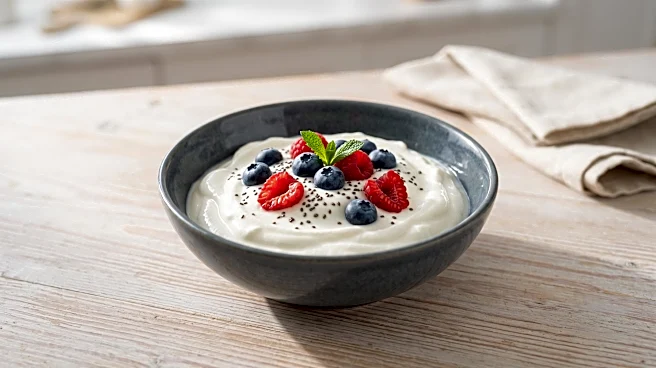
Fermented foods, including yogurt, kefir, kimchi, sauerkraut, miso, and tempeh, are recognized for their ability to enhance gut microbial diversity and reduce inflammatory markers. These benefits are observed in controlled diet trials. To maximize their positive
impact, these foods should be consumed in small, regular servings. It is recommended to start with a single tolerated serving and gradually increase the amount if well-received by the body. A crucial distinction is made between genuinely fermented products and those that are merely pickled or pasteurized. Many commercially available 'pickled cabbage' products, for instance, undergo thermal pasteurization, a process that destroys the live bacteria essential for probiotic benefits. Some products labeled as pickled may not be fermented at all, instead relying on vinegar and water, which do not foster the growth of beneficial probiotic cultures. Consumers are advised to seek out products explicitly labeled as raw, unpasteurized, or containing live and active cultures, typically found in refrigerated sections, to ensure they are obtaining true live fermented foods.
Why It's Important?
The increasing awareness of gut health's role in overall well-being makes the proper consumption of fermented foods particularly important for U.S. consumers. A diverse gut microbiome is linked to improved digestion, enhanced immune function, and reduced inflammation, which can impact a wide range of health conditions prevalent in the U.S. The distinction between genuinely fermented and pasteurized or simply pickled products is critical for consumers seeking these health benefits. Misinformation or lack of awareness can lead individuals to purchase products that do not deliver the intended probiotic effects, wasting money and potentially delaying effective health management. This guidance helps consumers make informed choices, ensuring they invest in products that genuinely support their gut health. For individuals with sensitive digestive systems, understanding how to gradually introduce these foods can prevent discomfort and encourage sustained dietary changes, contributing to better long-term health outcomes across the population.
What's Next?
Consumers are encouraged to integrate small, consistent servings of raw, unpasteurized fermented foods into their diets. This involves carefully reading product labels to identify terms like 'raw,' 'unpasteurized,' or 'contains live and active cultures,' and prioritizing items found in refrigerated sections. For those new to fermented foods, a gradual introduction, starting with a teaspoon per day and slowly increasing, is advised to allow the digestive system to adapt and minimize potential discomfort such as gas or bloating. Healthcare providers and nutritionists may increasingly emphasize the importance of distinguishing between different types of fermented products when offering dietary recommendations. The food industry might see a growing demand for clearly labeled, genuinely live fermented options, potentially leading to more transparent product information and a wider availability of unpasteurized choices in mainstream markets. Educational campaigns could also emerge to inform the public about the benefits and proper selection of fermented foods.
Beyond the Headlines
The emphasis on genuine live fermented foods highlights a broader trend in consumer health: a move towards natural, food-based solutions for wellness, coupled with a critical examination of food processing methods. This trend challenges conventional food manufacturing practices that prioritize shelf life over nutritional integrity, particularly concerning live cultures. The distinction between raw and pasteurized fermented products underscores the importance of understanding how food is prepared and its impact on health. This also raises ethical considerations for food producers regarding transparency in labeling and marketing. As consumers become more educated, there is potential for a shift in the food industry towards more minimally processed and nutrient-dense options. This could also foster a greater appreciation for traditional food preparation methods, which often involve fermentation, and encourage home-based fermentation practices, further empowering individuals to take control of their dietary health.