




What's Happening?
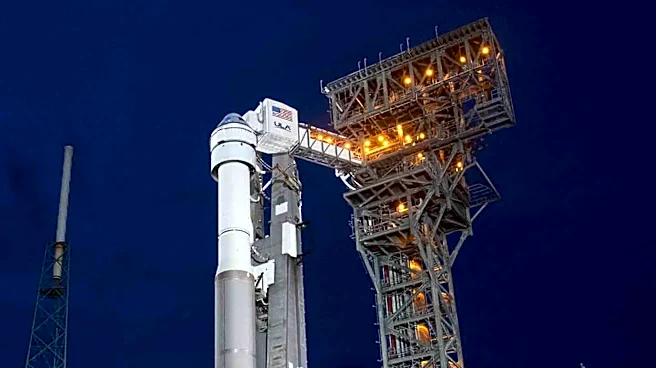
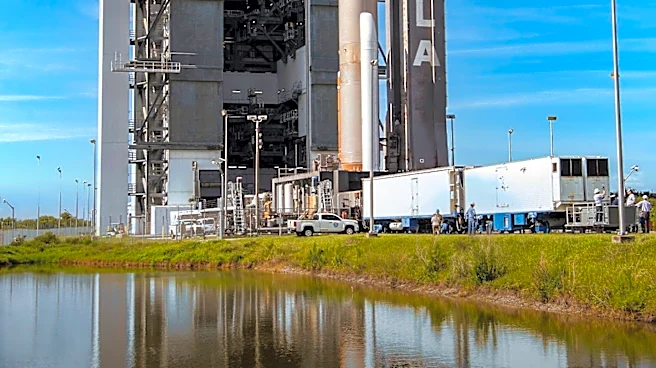
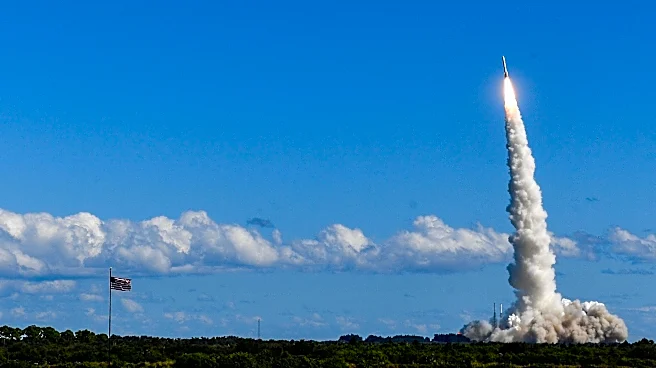
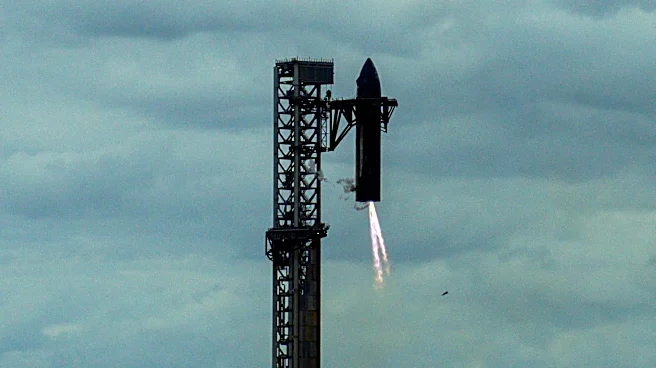
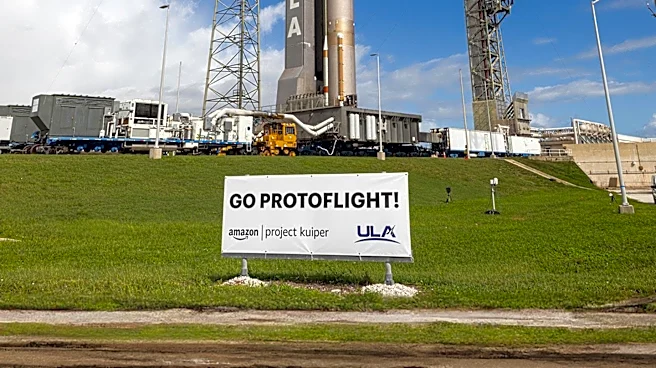
A United Launch Alliance (ULA) Vulcan rocket experienced an anomaly approximately 10 minutes after launch on November 15, 2026, failing to deliver 40 Amazon Leo satellites into orbit. The entire payload was lost. This incident marks the first complete
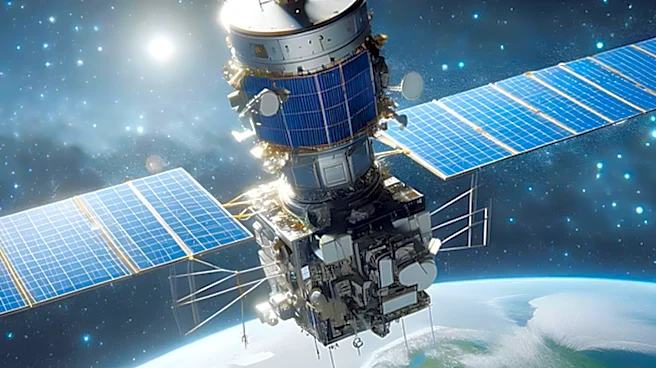
mission failure in ULA's nearly 20-year history and the inaugural Amazon Leo launch aboard a Vulcan rocket. Amazon Leo is a low-Earth-orbit network being developed by Amazon to compete with Starlink, with a planned constellation of 3,236 satellites. Prior to this failure, Amazon had already deployed 398 satellites across 14 launches. Delta Air Lines has committed to installing Amazon Leo's Wi-Fi system on 500 aircraft starting in 2028, promising high-speed internet for SkyMiles members.
Why It's Important?
This rocket failure introduces a significant complication for Delta Air Lines' plans to implement next-generation in-flight Wi-Fi. Delta made a strategic decision to partner with Amazon Leo over Starlink, a system that is already operational on hundreds of commercial aircraft. The loss of 40 satellites, while not catastrophic for the entire Amazon Leo project, could delay the network's deployment schedule. This delay could put Delta at a disadvantage compared to competitors like United Airlines, which is already installing Starlink throughout its fleet and expects completion by the end of 2027. For U.S. air travelers, this means that the promised high-speed, free Wi-Fi on Delta flights might be further off than initially anticipated, impacting their travel experience and potentially influencing airline choices.
What's Next?
ULA will conduct an investigation to determine the cause of the anomaly and implement corrective actions to return to flight. While Amazon has contracts with multiple launch providers and has other satellites ready for launch, including a mission scheduled for November 23 using an Ariane 6 rocket, any lengthy investigation or redesign could slow the overall deployment of the Amazon Leo constellation. Delta Air Lines will need to monitor Amazon's progress closely to ensure its 2028 installation timeline remains feasible. In the interim, Delta continues to offer free Wi-Fi through its Delta Sync service and is adding Viasat capacity and deploying Hughes Fusion technology to enhance connectivity across its fleet. The incident underscores the inherent risks in developing and deploying new space-based technologies.
Beyond the Headlines
The decision by Delta Air Lines to choose Amazon Leo, a system still under development, over an established competitor like Starlink, highlights the strategic bets airlines make in technology partnerships. Delta's choice was reportedly influenced by a desire for greater control over the passenger interface and the potential to integrate connectivity with its broader digital ecosystem, including Delta Sync and customer data strategies. This incident, however, vividly demonstrates the 'execution risk' associated with such choices. Beyond the immediate impact on Wi-Fi deployment, it raises questions about the long-term implications of airlines relying on nascent technologies for critical passenger services. The competitive landscape for in-flight connectivity is rapidly evolving, and delays in one airline's strategy could provide a significant advantage to others, potentially reshaping passenger expectations and market share in the U.S. airline industry.