





What's Happening?
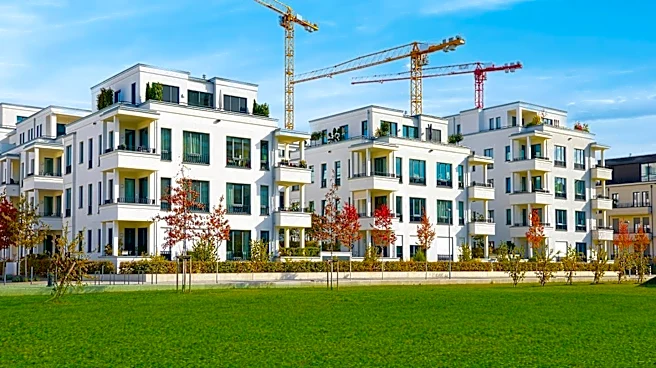
Grand Rapids, Michigan, is experiencing a significant housing market surge as buyers flock to the area for its affordability and opportunities. The city has become attractive to young professionals and families, with the median list price for homes significantly
lower than in coastal cities. This trend is part of a broader Midwest housing boom, with cities like Madison, Cleveland, and Detroit also seeing increased activity. The affordability gap between the Midwest and coastal markets is driving this migration, as remote work arrangements allow more flexibility in choosing where to live.
Why It's Important?
The shift towards more affordable Midwest markets highlights a changing dynamic in the U.S. housing landscape. As housing costs in coastal cities remain high, more buyers are considering alternative locations that offer better value for money. This trend could lead to economic growth in these regions, as increased demand boosts local real estate markets and related industries. Additionally, the migration could alleviate some pressure on housing markets in high-cost areas, potentially stabilizing prices.
What's Next?
If the affordability trend continues, Midwest cities may see sustained growth in their housing markets. This could attract more businesses and investments, further enhancing economic opportunities in these regions. However, local governments and developers will need to manage this growth carefully to ensure infrastructure and services keep pace with demand. The long-term impact on coastal markets will depend on how they adapt to changing buyer preferences and economic conditions.