







What's Happening?
Sofitel Legend and UNESCO have announced a global partnership aimed at integrating cultural heritage preservation into the travel experience. This collaboration seeks to raise awareness of local knowledge, safeguard living heritage, and foster deeper
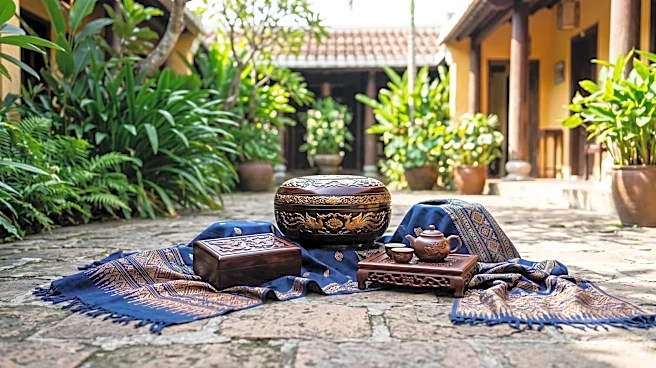
connections between travelers and the cultural identities of their destinations. The initiative will transform travel into an act of preserving and transmitting cultural heritage, extending beyond physical sites to include living traditions like oral histories, performing arts, and artisanal craftsmanship. The partnership also encompasses biodiversity conservation, engaging with UNESCO Biosphere Reserves to protect wildlife, flora, and living landscapes. Sofitel Legend hotels, many located near UNESCO World Heritage sites, will serve as gateways to local heritage. The collaboration is structured around four key pillars: supporting local communities and artisans, educating and inspiring travelers, creating cultural bridges within hotels through exhibitions and artistic encounters, and contributing to heritage preservation via voluntary guest donation schemes. The partnership will initially launch at Sofitel Legend Metropole Hanoi, coinciding with the hotel's 125th anniversary, before expanding globally.
Why It's Important?
This partnership signifies a growing trend in the hospitality industry towards sustainable and culturally responsible tourism. For U.S. travelers, it offers enhanced opportunities for authentic cultural immersion, moving beyond superficial sightseeing to deeper engagement with local traditions and communities. This approach can enrich travel experiences, providing a more meaningful understanding of global cultures. Economically, the initiative supports local artisans and heritage professionals, potentially boosting local economies in various destinations by creating economic opportunities and strengthening livelihoods. It also promotes the transmission of traditional knowledge and craftsmanship, which might otherwise be at risk of fading. For the U.S. tourism sector, this model could influence how travel agencies and tour operators design future international itineraries, emphasizing cultural preservation and community engagement as key selling points. The focus on educating travelers and hotel staff about local heritage also contributes to a more informed and respectful global citizenry.
What's Next?
The partnership will commence with a progressive rollout, starting at the Sofitel Legend Metropole Hanoi. This initial phase will introduce five curated cultural experiences developed in collaboration with UNESCO's Hanoi Office. These experiences include a 'Hanoi Coffee Journey' inspired by Vietnam's coffee heritage, an immersion in the Bát Tràng Pottery Village, and an exclusive visit to the Imperial Citadel of Thăng Long. Following its launch in Hanoi, this model will be gradually expanded across Sofitel Legend properties worldwide. Each expansion will be adapted to the unique cultural identity and preservation priorities of the respective destination. Future developments will likely involve more Sofitel Legend hotels integrating similar culturally immersive programs, collaborating with local UNESCO offices, and implementing guest donation schemes to support heritage preservation efforts globally. The success of the initial rollout will inform the broader implementation strategy and the types of cultural experiences offered in other locations.
Beyond the Headlines
This collaboration highlights a significant shift in the luxury travel sector, moving beyond opulent amenities to offer profound cultural engagement and social responsibility. It underscores the ethical dimension of tourism, where travelers become active participants in preserving global heritage rather than passive observers. The partnership's emphasis on safeguarding intangible heritage—such as oral traditions, performing arts, and craftsmanship—recognizes that culture is a living, evolving entity, not just static monuments. This approach can foster a deeper appreciation for cultural diversity and the interconnectedness of global communities. Furthermore, by involving local communities and artisans, the initiative promotes economic empowerment and ensures that the benefits of tourism are shared more equitably. This model could set a new standard for responsible tourism, encouraging other hospitality brands to adopt similar strategies that prioritize cultural authenticity, environmental stewardship, and community well-being, thereby contributing to a more sustainable and respectful global travel ecosystem.