


What's Happening?
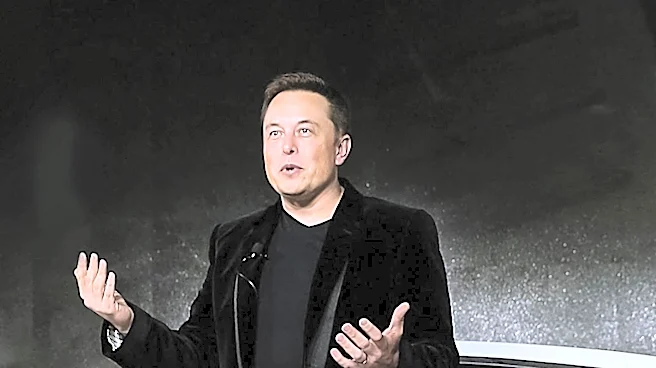
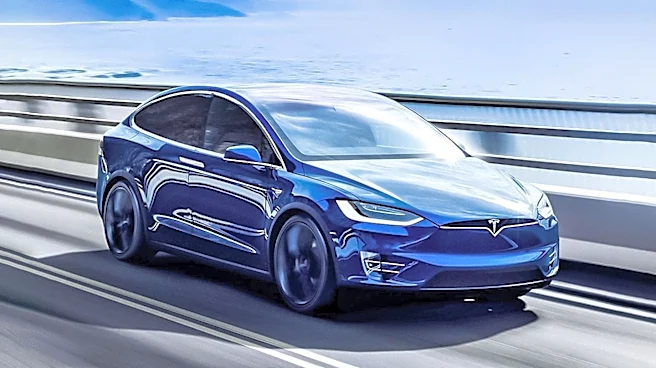
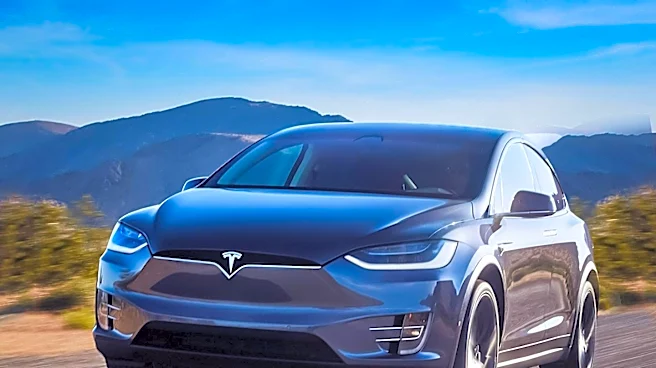
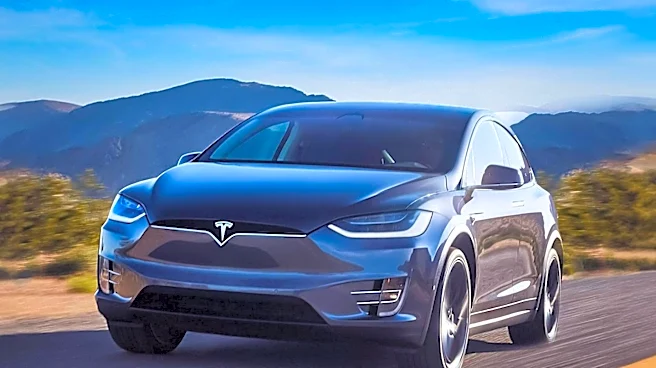
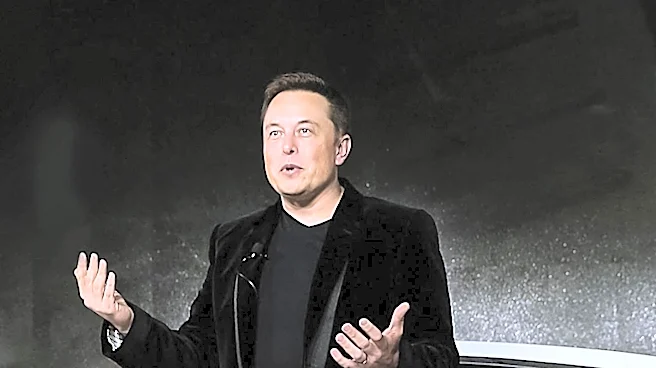
Tesla is actively promoting its Full Self-Driving (FSD) system to senior citizens, marketing it as a way to enhance or restore driving freedom. This push includes advertisements on platforms like X and endorsements from CEO Elon Musk, who stated that
'Tesla self-driving enables safer mobility for senior citizens.' Tesla's Chief Financial Officer, Vaibhav Taneja, has also indicated that FSD is a significant driver of car sales, offering flexibility for populations who previously faced driving challenges. Approximately 1.7 million vehicles have activated FSD, which costs $99 per month. However, this marketing strategy is raising concerns among experts who warn that the technology's limitations, combined with age-related physical and cognitive changes, could increase risks for older drivers. Tesla itself advises that FSD requires drivers to remain attentive and ready to take control at all times, acknowledging that its features do not make vehicles fully autonomous. Since June 2025, Tesla has reported nearly 2,400 crashes involving its advanced driver-assistance systems, with 24 resulting in at least one fatality.
Why It's Important?
The promotion of FSD to seniors is significant because it targets a demographic that may be particularly vulnerable to the system's current limitations. Experts highlight that age-related factors such as changes in vision, reduced physical mobility, and slower reflexes can impair an older driver's ability to safely intervene when FSD makes a mistake. This creates a potential safety hazard, as the system requires quick human intervention. From a business perspective, FSD is crucial to Tesla's valuation and long-term growth strategy, with analysts like Garrett Nelson of CFRA Research viewing it as a central pillar for future earnings. Gene Munster of Deepwater Asset Management estimates that aging consumers could account for about 50,000 Tesla deliveries annually, representing a valuable, often less price-sensitive market segment. However, the potential for increased accidents involving seniors could lead to greater scrutiny, regulatory challenges, and liability risks for Tesla, especially if its marketing messages are perceived as conflicting with its own safety warnings.
What's Next?
The ongoing promotion of Tesla's Full Self-Driving to seniors is likely to continue, given its importance to the company's sales and valuation. However, increased scrutiny from safety advocates and potentially regulatory bodies can be anticipated. As more seniors adopt FSD, there may be a rise in reported incidents or accidents, which could prompt further investigations by organizations like the National Highway Traffic Safety Administration (NHTSA). Legal experts suggest that Tesla and FSD users could face increased liability risks if crashes occur, particularly if the company's promotional content is seen as encouraging behavior that contradicts its own safety guidelines. This could lead to calls for clearer disclaimers, more robust driver monitoring systems, or even restrictions on how the technology is marketed to specific demographics. The debate around when older drivers should cease driving may also intensify, with FSD being presented as both a solution and a potential complication.
Beyond the Headlines
The ethical implications of marketing advanced driver-assistance systems like FSD to seniors are profound. While the technology offers the promise of extended mobility and independence, there's a fine line between empowerment and putting vulnerable individuals at undue risk. The narrative of FSD as a 'freedom restorer' for seniors could inadvertently pressure individuals to rely on technology that demands cognitive and physical responses they may no longer possess. This raises questions about corporate responsibility in marketing complex technologies, especially when user capabilities vary widely. Furthermore, the situation highlights a broader societal challenge: how to balance the desire for independence in an aging population with public safety concerns, particularly as technology blurs the lines of human control and automated assistance. The long-term impact could influence how autonomous vehicle technologies are regulated and marketed to specific demographic groups, potentially leading to new standards for user assessment and system limitations based on driver profiles.