








What's Happening?
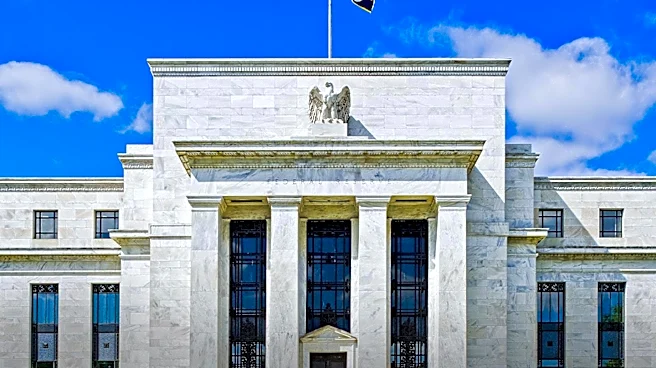
Federal Reserve officials are currently divided on the future trajectory of inflation in the United States, as revealed in the minutes from a recent meeting. The division stems from differing opinions on whether inflation will remain elevated or decrease
following the resolution of the ongoing conflict in Iran. The Federal Reserve's rate-setting committee, under the new chair Kevin Warsh, is split on whether to maintain or adjust the current interest rate of 3.6% by the end of the year. Meanwhile, the U.S. housing market is experiencing a significant rise in home prices, with the median sales price reaching an all-time high of $440,600 in June. This increase in home prices is occurring despite a slowdown in the sales of previously occupied homes, which fell by 2.4% from May to June.
Why It's Important?
The division within the Federal Reserve regarding inflation is crucial as it influences monetary policy decisions that affect the broader U.S. economy. Interest rate adjustments can impact borrowing costs for consumers and businesses, potentially affecting economic growth and employment. The rise in home prices adds another layer of complexity, as it exacerbates affordability challenges for prospective homebuyers, potentially slowing down the housing market. The ongoing conflict in Iran and its impact on global oil supply further complicates the economic landscape, influencing inflation and energy prices. These factors collectively shape the economic environment, affecting households, businesses, and policymakers.
What's Next?
The Federal Reserve is expected to continue monitoring economic indicators closely, including inflation rates and the housing market, to determine future interest rate decisions. The resolution of the conflict in Iran could play a significant role in shaping inflation expectations and energy prices. Policymakers may need to balance the need to control inflation with supporting economic growth. The housing market's trajectory will also be closely watched, as continued price increases could lead to further affordability issues, prompting potential policy interventions to stabilize the market.