

What's Happening?
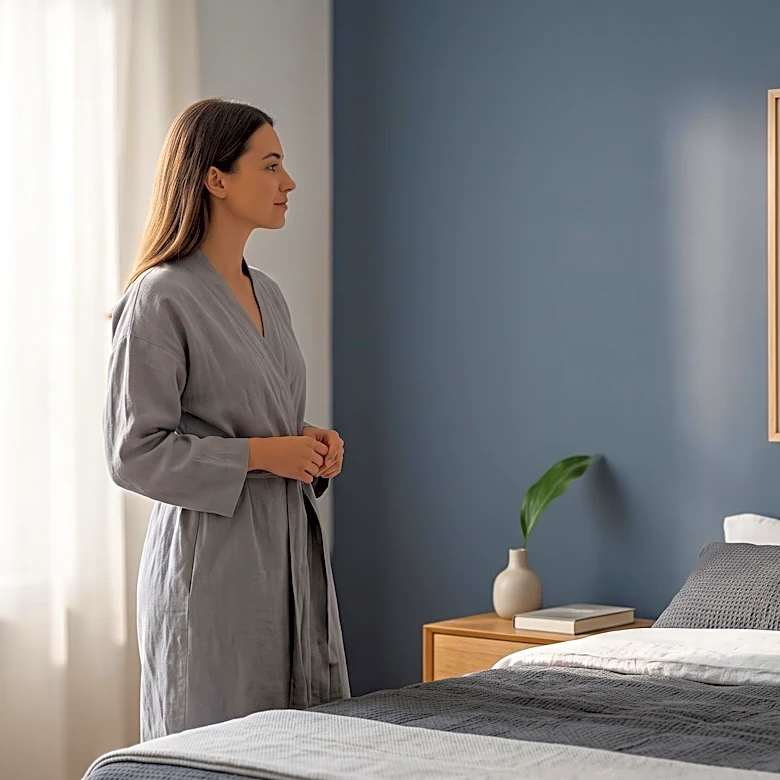
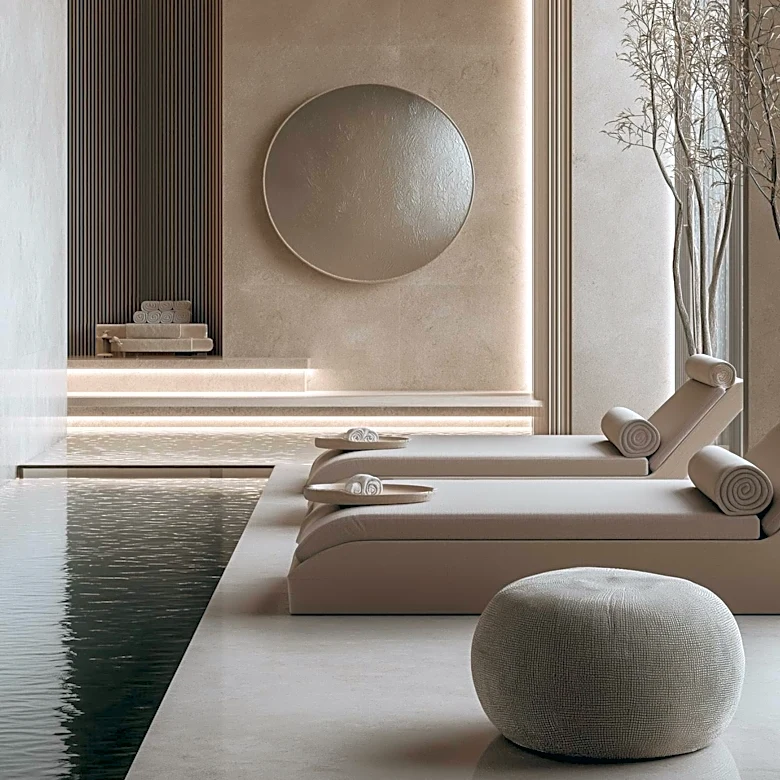
Cluttercore is an emerging interior design trend that champions organized chaos and the accumulation of personal collections and memorabilia. This aesthetic stands in stark contrast to minimalist styles, which have long promoted sparse, uncluttered living
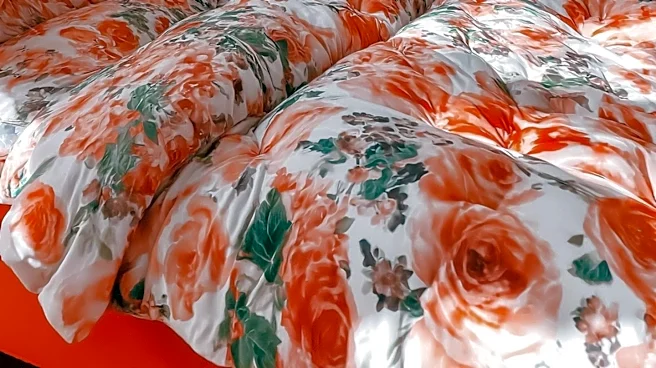
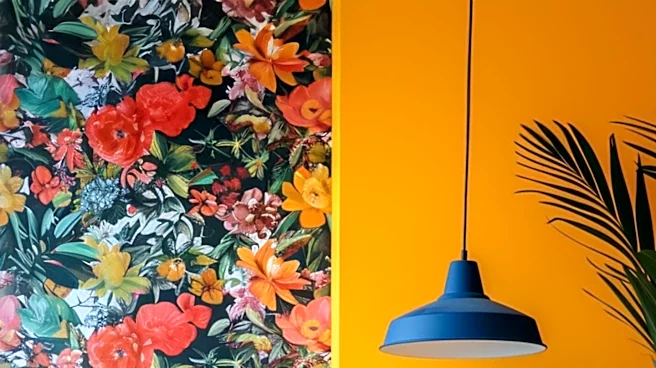
spaces. Cluttercore embraces a rich, lived-in look, characterized by overflowing bookshelves, vintage knick-knacks, and eclectic decor. The trend is seen as a rebellion against the 'less is more' philosophy, which has often led to homes resembling sterile environments. Instead, Cluttercore advocates for displaying objects that tell personal stories, reflecting individual journeys, encounters, and aspirations. This approach transforms living spaces into vibrant, narrative-rich environments, moving away from the perceived emptiness of digital life and the austerity of minimalist design. The movement is gaining traction, with various celebrities adopting this maximalist philosophy in their homes, showcasing a deliberate and proud display of personal history through their possessions.
Why It's Important?
The rise of Cluttercore signifies a notable shift in consumer preferences and design philosophy, moving away from the pervasive minimalist aesthetic that has dominated interior design for years. This trend reflects a broader societal desire for authenticity and personal expression, challenging the notion that decluttering and sparse living are inherently superior. For industries related to home decor, furniture, and retail, this shift could lead to increased demand for unique, vintage, and artisanal items, as well as storage solutions that facilitate display rather than concealment. It also suggests a potential decline in the market for mass-produced, generic minimalist furnishings. Culturally, Cluttercore encourages a more personal and less curated approach to living spaces, potentially fostering a greater appreciation for individual histories and sentimental value over sleek, impersonal aesthetics. This could empower individuals to create homes that truly reflect their personalities, rather than conforming to externally imposed design ideals.
What's Next?
As Cluttercore gains momentum, it is anticipated that more designers and retailers will begin to incorporate elements of this maximalist trend into their offerings. We may see an increase in curated vintage collections, bespoke furniture, and decorative items that encourage personal storytelling. Social media platforms, which have been instrumental in popularizing previous design trends, are likely to become key arenas for the dissemination and evolution of Cluttercore, with influencers and design enthusiasts showcasing their unique interpretations. The trend could also spark a broader conversation about consumerism and sustainability, as it encourages the reuse and display of existing items rather than constant acquisition of new, disposable goods. Furthermore, the contrast with minimalism may lead to a more diverse and inclusive design landscape, where various aesthetic preferences are celebrated rather than a single dominant style.
Beyond the Headlines
Beyond its aesthetic appeal, Cluttercore carries deeper implications regarding our relationship with material possessions and personal identity. In an increasingly digital and transient world, the trend offers a tangible way to anchor oneself through physical objects that hold meaning and memory. It challenges the notion that a tidy, minimalist space equates to a tidy, organized mind, suggesting instead that a rich, visually stimulating environment can foster creativity and comfort. Ethically, Cluttercore could promote more sustainable consumption habits by encouraging people to cherish and display items they already own or to seek out unique, pre-owned pieces, thereby reducing waste and supporting circular economies. This movement also highlights a psychological need for connection and narrative in our living spaces, serving as a counter-narrative to the often-impersonal nature of modern life and mass consumer culture. It's a celebration of individuality and the stories that make a house a home.