







What's Happening?
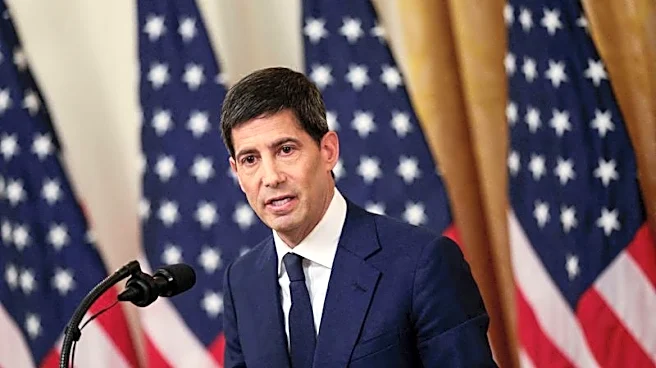
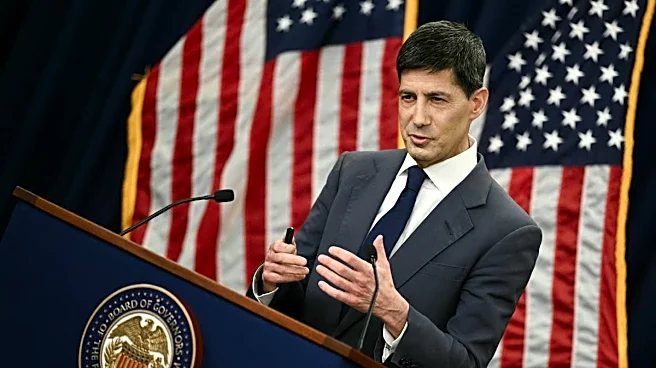
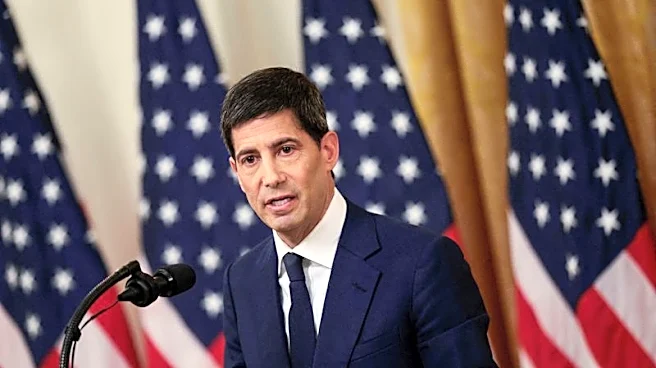
Kevin Warsh, the chairman of the U.S. Federal Reserve, is implementing a series of task forces to reshape the Fed's approach to inflation and economic management. In his first press conference, Warsh emphasized the need for a quieter and more humble Fed,
focusing on inflation control. The task forces will address key areas such as communications, the balance sheet, data, productivity, and jobs. Warsh's strategy involves pairing internal Fed staff with external experts to guide these changes. He aims to marshal his political capital to implement these reforms, which he believes are necessary for the Fed to effectively manage inflation.
Why It's Important?
Warsh's initiatives are significant as they represent a shift in the Fed's traditional approach to economic management. By focusing on inflation and restructuring the Fed's operations, Warsh aims to enhance the institution's effectiveness in maintaining economic stability. The task forces' recommendations could lead to substantial changes in how the Fed communicates and operates, impacting monetary policy and economic outcomes. These changes are crucial as the U.S. economy faces challenges such as inflationary pressures and global economic transitions.
What's Next?
The success of Warsh's reforms will depend on the support of other Fed members and the effectiveness of the task forces. As these groups develop their recommendations, the Fed will need to balance internal consensus with external economic realities. The outcomes of these efforts will influence future Fed policies and their impact on the U.S. economy. Stakeholders, including investors and policymakers, will be closely watching how these changes unfold and their implications for economic stability.