






What's Happening?
Vietnam is increasingly focusing on culinary tourism as a key strategy for economic development and cultural preservation. Nguyen Thi Lan Huong from the Vietnam Institute’s Tourism Research Department advocates for a shift from simply selling food to creating
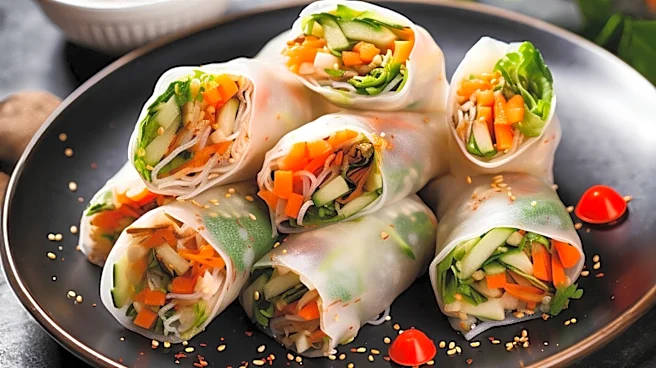
co-created experiences. This involves allowing visitors to participate in cooking, explore craft villages, and interact with artisans. Key strategies include developing culinary heritage spaces, enhancing human-resource training, and promoting street food and multisensory experiences. Additionally, initiatives in Western Nghe An aim to establish a cultural-ecological tourism cluster. This cluster will link forest conservation with the preservation of ethnic cultures, while also fostering homestays, local product development, and eco-tourism experiences. The Vietnam National Authority of Tourism (VNAT) has proposed a project to the Ministry of Culture, Sports and Tourism to promote Vietnamese tourism and cuisine abroad from 2026-2030, aiming to position Vietnam as one of Asia’s top five culinary destinations. This project emphasizes building a national brand for culinary tourism, developing standardized food streets, and expanding Vietnamese restaurant networks globally.
Why It's Important?
This strategic focus on culinary tourism is significant for Vietnam's economy and cultural identity. By transforming food into an experiential product, Vietnam aims to attract tourists seeking authentic and culturally distinctive experiences, thereby increasing tourist spending and length of stay. This approach also supports local communities by creating sustainable livelihoods for artisans and craftspeople, and by preserving traditional culinary heritage. The integration of culinary tourism with ecological and cultural preservation, particularly in regions like Western Nghe An, highlights a sustainable development model. This model ensures that economic gains from tourism contribute directly to environmental protection and the safeguarding of ethnic cultures. The national strategy to promote Vietnamese cuisine globally will enhance the country's tourism brand and competitiveness on the international stage, potentially drawing a larger and more diverse tourist demographic.
What's Next?
Vietnam plans to implement a national strategy to connect and promote culinary tourism initiatives across localities and businesses. This includes developing standardized food streets, completing quality standards for culinary tourism products, and expanding the network of Vietnamese restaurants overseas. There will be a focus on strengthening human-resource training in the tourism sector to improve service quality and ensure professional, sustainable culinary tourism. Digital transformation will be accelerated in promotion and quality management. Furthermore, specific regional initiatives, such as the cultural-ecological tourism cluster in Western Nghe An, will proceed with the development of homestays, local products, and eco-tourism experiences linked to forest conservation and ethnic cultural preservation. The proposed project for 2026-2030 aims to make cuisine a core element of Vietnam's national tourism brand, with a goal of becoming one of Asia's top five culinary destinations.
Beyond the Headlines
The shift towards experiential culinary tourism reflects a broader global trend where travelers seek deeper engagement with local cultures rather than just passive consumption. For Vietnam, this strategy has profound implications beyond economic growth; it serves as a powerful tool for cultural diplomacy, showcasing the nation's rich heritage and diverse ethnic identities through its food. This approach also addresses the ethical dimension of tourism by promoting sustainable practices that benefit local communities and preserve natural environments. By empowering local artisans and integrating them into the tourism value chain, Vietnam is fostering a more inclusive tourism model. The emphasis on storytelling around each dish transforms food into a narrative, offering visitors a deeper understanding of Vietnamese history, customs, and indigenous knowledge, thereby enriching their overall travel experience and fostering cross-cultural appreciation.