






What's Happening?
The market for smart scales is evolving with advanced models offering more precise body composition analysis and diverse connectivity features. Unlike traditional scales that only measure weight, modern smart scales utilize Bioelectrical Impedance Analysis
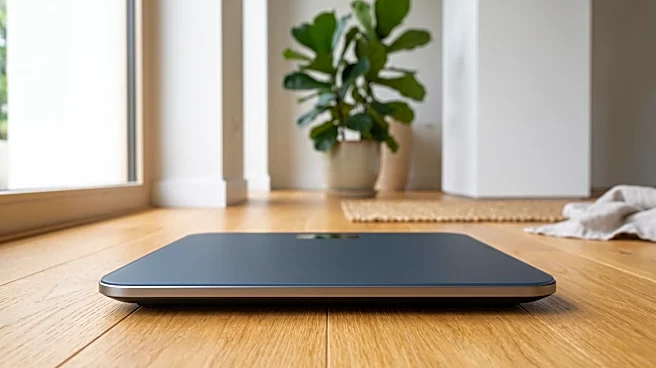
(BIA) to estimate body fat, muscle mass, and water percentage. High-end models, such as those with 8-electrode technology, provide segmental analysis by measuring electrical resistance through both feet and hands, offering more detailed data for arms, legs, and torso. This contrasts with 4-electrode scales that primarily measure through the feet and extrapolate upper body values. Key features in these advanced scales include dual-frequency BIA for higher data quality, Wi-Fi and Bluetooth connectivity for seamless app integration and cloud synchronization, and color LCD displays for immediate visual feedback on various health metrics, including heart rate. Examples like the Sparoma ADL-26Black focus on essential health indicators, while the Sparoma ZJ08 offers visual feedback with a color LCD.
Why It's Important?
The increasing sophistication of smart scales has significant implications for personal health management and the broader wellness industry. By providing detailed body composition data beyond just weight, these devices empower individuals to make more informed decisions about their fitness, nutrition, and overall health. This level of detail is particularly valuable for fitness enthusiasts, athletes, and individuals managing chronic conditions, as it allows for precise tracking of progress and optimization of training and dietary plans. The integration with smartphone apps and cloud services facilitates long-term trend analysis and can support personalized health coaching. For the healthcare sector, these devices could offer valuable data for remote patient monitoring and preventative care, potentially reducing the burden on traditional medical facilities by enabling individuals to proactively manage their health at home.
What's Next?
The trend in smart scale technology points towards even greater accuracy, more comprehensive health metrics, and enhanced user experience. Future developments may include further refinement of BIA technology, potentially incorporating more advanced sensors or algorithms to improve accuracy and reduce sensitivity to factors like hydration status. The integration of AI-driven insights and personalized coaching directly within the companion apps is also expected to grow, offering users actionable guidance based on their unique data. As these devices become more commonplace, there will likely be increased demand for interoperability with other health and fitness platforms, creating a more holistic digital health ecosystem. Additionally, manufacturers may focus on making these advanced features more accessible and affordable to a wider consumer base, further democratizing detailed body composition analysis.
Beyond the Headlines
The rise of smart scales reflects a broader societal shift towards self-monitoring and data-driven personal health. While these devices offer undeniable benefits in terms of convenience and detailed insights, they also raise questions about data privacy and security, especially as sensitive health information is collected and often stored in the cloud. The reliance on BIA technology, while advanced, still has limitations compared to medical-grade diagnostic tools, necessitating user awareness of its accuracy boundaries. Furthermore, the proliferation of health metrics could lead to information overload or misinterpretation for some users, highlighting the importance of clear, actionable insights and potentially the need for professional guidance to contextualize the data. The ethical considerations around encouraging constant self-measurement and its potential impact on body image and mental health also warrant ongoing discussion.