





What's Happening?
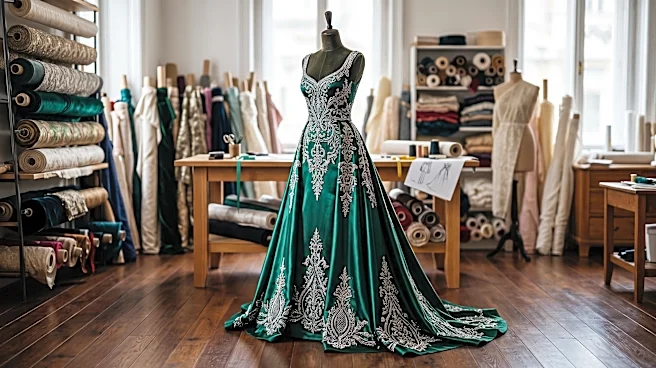
Rebecca Herbst, known for her role as Elizabeth Webber Baldwin on 'General Hospital' since 1997, has a long history of attending the Daytime Emmy Awards. Many fans were unaware that for a significant period, Herbst designed and created her own dresses
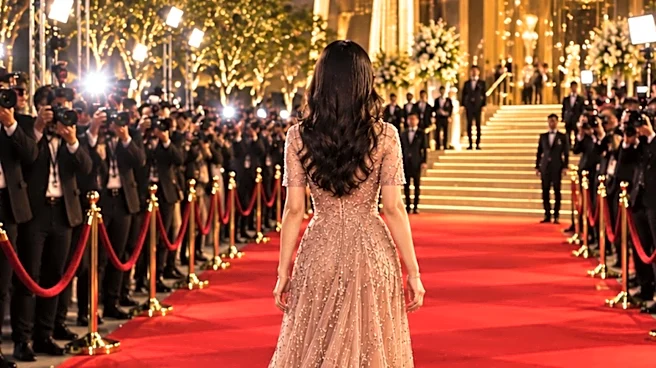
for these prestigious events. This tradition, which she shared with her mother, stemmed from her childhood experience of learning to sew. Herbst explained to LifeMinute.TV that she enjoyed having input in every aspect of the dress, from color and fabric to length and style, ensuring a unique look on the red carpet. The practice allowed her to express her personal style without concern for what others might say. However, in 2009, Herbst broke this tradition, opting to wear a Nicole Miller dress instead, citing the timing of the Emmys in August as a factor that made continuing the tradition more difficult that year.
Why It's Important?
This revelation offers a unique insight into the personal lives and creative talents of public figures within the entertainment industry. For fans of 'General Hospital' and the Daytime Emmy Awards, it adds a layer of appreciation for Herbst's dedication and personal touch in her red carpet appearances. It highlights how celebrities, despite their public personas, often engage in personal hobbies and skills that reflect their upbringing and values. The story also subtly touches upon the pressures and demands of the entertainment industry, where even personal traditions can be impacted by scheduling and professional commitments. It underscores the idea that fashion on the red carpet can be more than just a designer label; it can be a deeply personal expression and a connection to one's roots.
What's Next?
While Herbst broke her tradition in 2009, the article does not indicate whether she has resumed or plans to resume designing her own Emmy dresses in the future. The focus remains on her past practice and the reasons behind it. For fans, this information might spark renewed interest in her past red carpet looks and potentially lead to discussions about other celebrities who might engage in similar personal creative endeavors. The broader implication for the entertainment industry is a reminder that authenticity and personal expression can resonate deeply with audiences, even in the highly curated world of celebrity events.
Beyond the Headlines
Herbst's story goes beyond mere celebrity fashion; it speaks to the value of craftsmanship and personal involvement in an era often dominated by mass production and professional styling. Her mother's influence in teaching her to sew highlights the intergenerational transfer of skills and the sentimental value attached to such collaborative projects. In a culture where celebrity appearances are meticulously managed, Herbst's past tradition of creating her own gowns stands out as an act of genuine self-expression and a testament to her creative independence. It also subtly critiques the fast-paced nature of the entertainment industry, where time constraints can sometimes overshadow personal traditions and creative outlets.