




What's Happening?
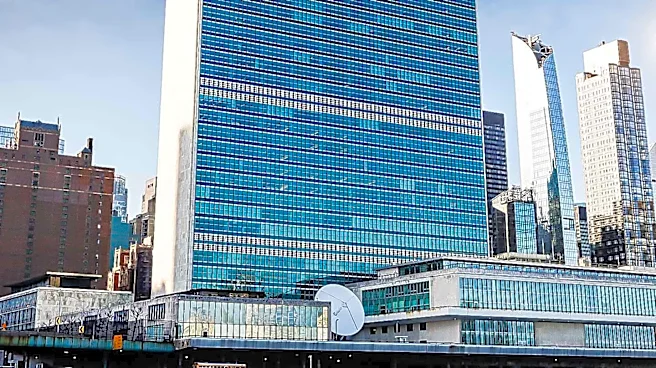
The United Nations Global Compact has launched the Business Integrity Accelerator (BIA), a new global program designed to help companies of all sizes, sectors, and geographies enhance their anti-corruption, business ethics, and compliance efforts. Announced
on November 18, 2026, in New York, the BIA aims to move businesses beyond mere compliance by embedding integrity into their core strategies, decisions, and policies. The six-month learning program offers a structured roadmap for companies to assess their anti-corruption readiness, identify gaps, and implement tailored Business Integrity Action Plans. This includes strengthening whistleblowing mechanisms, risk assessment, due diligence, and responsible government engagement. The initiative is a direct response to the persistent challenge of corruption, which distorts markets, erodes trust, and hinders sustainable development globally. The program is delivered through the UN Global Compact Academy and encourages participation from managers and compliance professionals with executive sponsorship.
Why It's Important?
Corruption poses a significant obstacle to sustainable development and economic growth, impacting businesses and societies worldwide. The launch of the Business Integrity Accelerator by the UN Global Compact is crucial because it provides a practical framework for companies to proactively address corruption, fostering a culture of integrity. By equipping businesses with tools for self-assessment, expert guidance, and peer learning, the BIA helps mitigate risks associated with illicit practices. This initiative is particularly vital for U.S. companies operating internationally, as it aligns with global standards and promotes ethical conduct across complex operating environments. Strengthening anti-corruption measures can protect U.S. businesses from legal repercussions, reputational damage, and financial losses, while also contributing to a more stable and transparent global marketplace. The program's focus on embedding integrity into corporate strategy can lead to more resilient and trustworthy business operations, benefiting stakeholders and promoting fair competition.
What's Next?
The Business Integrity Accelerator aims to onboard 500 companies and engage 25 Country Networks globally, scaling its impact significantly. Companies are encouraged to apply for the program through the UN Global Compact website. The initiative will continue to complement existing UN Global Compact efforts on Transformational Governance and Anti-corruption, providing a structured pathway for companies to understand their integrity gaps and collaborate with peers. The program's distinguishing features, including its authority within the UN system, cross-sectoral reach, and alignment with international standards, suggest a sustained effort to promote transparency and fairness in global business. The long-term success will depend on the active participation of companies and the effective implementation of the tailored Business Integrity Action Plans developed during the program.
Beyond the Headlines
The Business Integrity Accelerator represents a broader shift towards proactive and embedded ethical practices within the corporate world, moving beyond a reactive compliance-only approach. This initiative highlights the growing recognition that integrity is not merely a regulatory burden but a fundamental component of sustainable business and societal well-being. The emphasis on whistleblowing mechanisms and due diligence reflects an evolving understanding of corporate responsibility, where internal accountability and transparency are paramount. For U.S. businesses, this program underscores the ethical imperative to uphold high standards of conduct, not just domestically but across their global operations, influencing corporate governance and ethical frameworks. The BIA's alignment with SDG 16 (Peace, Justice and Strong Institutions) also points to the interconnectedness of business ethics with broader global development goals, suggesting a future where corporate integrity is increasingly viewed as a driver of social progress.