






What's Happening?
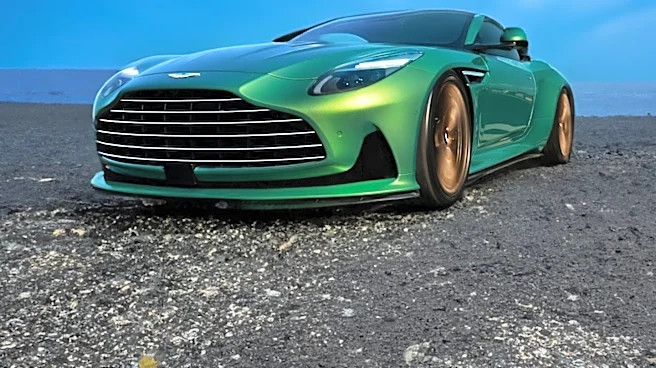
Aston Martin, through its bespoke customization division Q by Aston Martin, has unveiled three unique DB12 S One-Off cars at Monterey Car Week in the U.S., coinciding with the 75th Pebble Beach Concours d’Elegance. These three vehicles are inspired by the Le
Mans endurance race, featuring distinct body paint, exclusive components, and interior details that evoke a competitive racing style. Each car uses Carbon Black as its base color, accented with high-contrast red, yellow, or blue stripes and body trim, reminiscent of classic Le Mans race liveries. Beyond the unique aesthetics, the DB12 S One-Off models retain the core mechanical specifications of the standard DB12 S, including a 4.0-liter twin-turbo V8 gasoline engine producing 700 PS, capable of accelerating from 0 to 100 km/h in 3.5 seconds. The vehicles are also equipped with carbon-ceramic brake systems, Bilstein DTX active suspension, and a specially tuned electronic limited-slip differential to enhance handling and stability. In addition to these three bespoke DB12 S models, Aston Martin also displayed a limited-edition Vanquish 25, a reinterpretation of the classic Vanquish led by designer Ian Callum, further highlighting the brand's commitment to high-end customization and heritage.
Why It's Important?
The unveiling of these exclusive Aston Martin models at Monterey Car Week underscores the growing importance of high-end customization and limited-edition vehicles in the luxury automotive market. For Aston Martin, this strategy allows them to cater to an elite clientele seeking unparalleled exclusivity and personalized craftsmanship, potentially boosting brand prestige and sales in a highly competitive segment. The focus on racing heritage, particularly the Le Mans inspiration, resonates with automotive enthusiasts and collectors, reinforcing Aston Martin's performance credentials and historical significance. This approach also serves as a marketing tool, drawing significant attention to the brand during a prominent U.S. automotive event like Monterey Car Week, which attracts affluent buyers and media from around the globe. By showcasing both modern bespoke creations and reinterpreted classics, Aston Martin demonstrates its design prowess and engineering capabilities, appealing to both contemporary luxury consumers and those with an appreciation for automotive history. The emphasis on customization also provides a higher profit margin per vehicle, contributing to the brand's financial health and long-term sustainability in the luxury sector.
What's Next?
Following their debut at Monterey Car Week, these unique Aston Martin DB12 S One-Off cars are likely to be delivered to their discerning owners, further solidifying Aston Martin's reputation in the bespoke automotive market. The positive reception of these highly customized vehicles could encourage Aston Martin to expand its 'Q by Aston Martin' division, offering even more extensive personalization options for future models. This could lead to a greater emphasis on limited-run, heritage-inspired editions across its product line, catering to the increasing demand for exclusivity among luxury car buyers. The brand may also continue to leverage high-profile automotive events in the U.S. and globally to showcase its bespoke capabilities and connect with potential clients. Furthermore, the success of these models could influence future design and engineering decisions, with a continued focus on integrating racing performance with luxury and customization. The brand's strategy of blending modern technology with classic racing aesthetics is expected to continue, potentially leading to more collaborations with renowned designers for reinterpreted classic models.
Beyond the Headlines
The trend of ultra-luxury brands like Aston Martin offering highly customized, 'one-off' vehicles reflects a broader shift in consumer behavior within the high-net-worth segment. Beyond mere transportation, these vehicles become expressions of personal identity and status, akin to bespoke art or haute couture. The significant investment in events like Monterey Car Week highlights the cultural importance of automotive gatherings as platforms for brand storytelling and direct engagement with an exclusive audience. This strategy also taps into the emotional connection buyers have with automotive heritage and racing history, transforming a car purchase into an acquisition of a piece of automotive legacy. The emphasis on unique, handcrafted elements in these vehicles also supports traditional craftsmanship and specialized skills within the automotive industry, ensuring the preservation of artisanal techniques in an increasingly automated world. Ultimately, these bespoke creations serve as halo products, elevating the entire brand perception and attracting attention that benefits even their more mass-produced luxury offerings.