





What's Happening?
MakeBestMusic, an AI music generator based in South River, New Jersey, has significantly expanded its 'Inspo Mode' feature, introducing seven new production workflows. These enhancements allow creators to reshape audio with greater flexibility, including
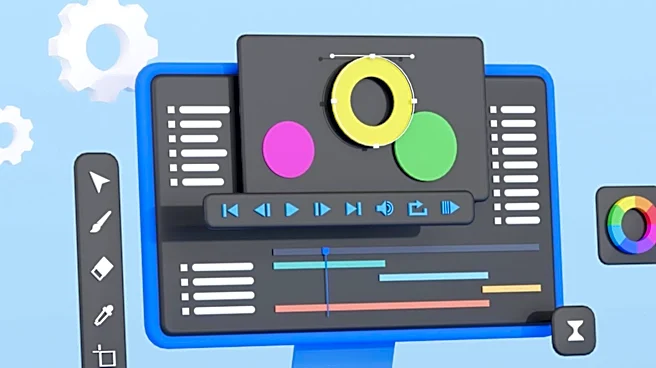
blending two songs, translating a song into another language, editing specific sections of a track, and converting a hummed melody into a full song. According to Alex Smith, Communications Director of MakeBestMusic, this upgrade addresses previous limitations where altering a single verse or adapting a song for another language required regenerating the entire composition. The company states that the new workflows enable creators to modify specific musical elements while preserving the core arrangement. This expansion coincides with the midpoint of the MakeBestMusic Hit Track Challenge, a global contest for creators using the platform. Additionally, MakeBestMusic has optimized its Create Music Video Studio, which facilitates the conversion of songs into scrolling lyric videos or high-definition music videos with narrative scenes and character lip-sync performances.
Why It's Important?
The expansion of MakeBestMusic's 'Inspo Mode' signifies a notable advancement in AI-powered music creation tools, offering musicians and producers unprecedented control and efficiency. This development is crucial for the music industry as it democratizes complex production tasks, making sophisticated audio manipulation accessible to a broader range of creators. By allowing users to edit specific segments or translate lyrics without regenerating an entire track, the platform significantly reduces production time and effort, fostering greater experimentation and creativity. This could lead to a surge in new music content and diverse linguistic adaptations of existing works. The ability to turn a hummed melody into a full song also lowers the barrier to entry for aspiring musicians, enabling them to develop ideas more rapidly. The optimization of the Create Music Video Studio further supports content creators by streamlining the production of visual accompaniments, which are increasingly vital for music promotion in the digital age. This technology empowers independent artists and small studios to compete more effectively with larger entities by providing professional-grade tools.
What's Next?
MakeBestMusic's upgraded 'Inspo Mode' is immediately available, offering creators enhanced capabilities for music production. The ongoing Hit Track Challenge will likely showcase the innovative ways artists utilize these new features, potentially influencing future updates and developments within the platform. Alex Smith indicated that MakeBestMusic's production team is preparing additional interactive features for upcoming releases, suggesting a continuous evolution of their AI music generation tools. This trajectory points towards a future where AI plays an even more integral role in the creative process, offering increasingly nuanced and flexible options for musicians. The success and adoption of these new workflows could also prompt other AI music platforms to develop similar advanced editing and generation capabilities, fostering a competitive environment that drives further innovation in the sector. The integration of AI into music video creation also suggests a growing trend towards comprehensive AI-powered content production suites.
Beyond the Headlines
The sophisticated capabilities introduced by MakeBestMusic's 'Inspo Mode' raise profound questions about the future of human creativity and collaboration in music. As AI tools become more adept at generating and manipulating musical elements, the role of the human artist may shift from sole creator to curator or director of AI-generated content. This could lead to new forms of artistic expression where human intuition guides AI algorithms to produce unique and complex compositions. However, it also sparks debates about authenticity, originality, and the emotional depth of music created with significant AI involvement. The ease with which songs can be translated or blended might also challenge traditional notions of musical identity and cultural ownership. Ultimately, these advancements could redefine the creative process, fostering a symbiotic relationship between human ingenuity and artificial intelligence, while also necessitating new ethical frameworks for authorship and intellectual property in the evolving landscape of digital music.