



What's Happening?
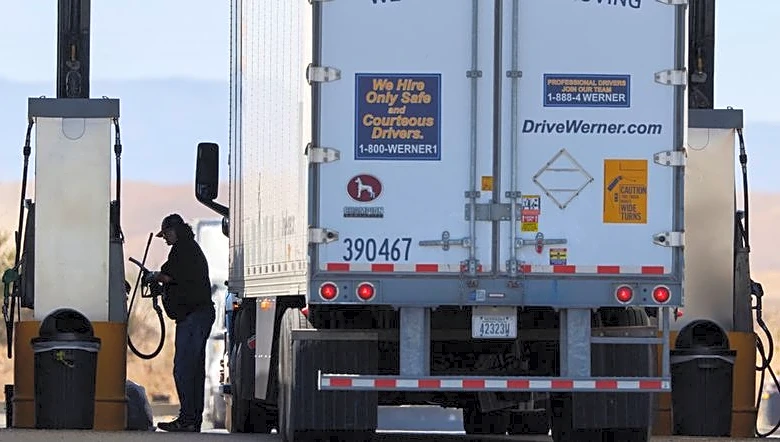
Pilot Company, a prominent network of travel centers with over 750 retail and fueling locations across 43 states and six Canadian provinces, continues its operations. Founded in 1958 by Jim A. Haslam II, the company is currently led by CEO Adam Wright.
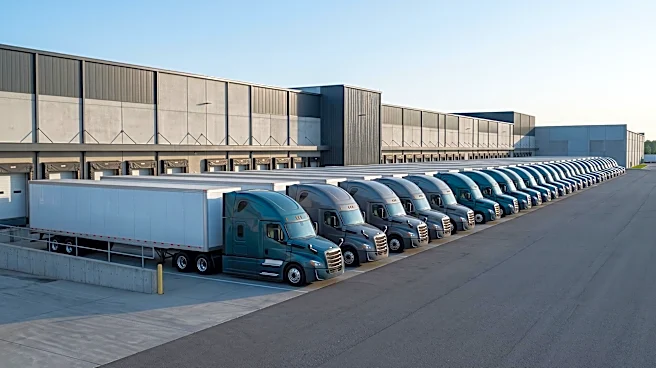
Despite the change in leadership, the company asserts that its founding values, people-first culture, and commitment to giving back remain central to its identity. Pilot Company's energy and logistics division is a major fuel supplier, operating one of the largest tanker fleets and providing essential services to oil operations in busy basins. The company also supports a growing portfolio of brands with expertise in supply chain, retail operations, logistics, transportation, technology, digital innovation, construction, maintenance, human resources, finance, sales, and marketing. The company is dedicated to fueling people and keeping North America moving, serving guests, team members, and trucking companies alike. All qualified applicants receive consideration for employment without regard to race, color, religion, sex, national origin, disability, protected veteran status, or any other characteristic protected under applicable federal, state, or local law, with military personnel encouraged to apply.
Why It's Important?
Pilot Company's continued operation and adherence to its founding principles are significant for the U.S. economy and transportation sector. As a leading network of travel centers and a top fuel supplier, the company plays a crucial role in maintaining the flow of goods and services across North America. Its extensive network of fueling stations and logistics services directly supports the trucking industry, which is vital for supply chain stability and economic activity. The company's commitment to a 'people-first culture' and community involvement can influence corporate social responsibility standards within the industry. Furthermore, its diverse portfolio of brands and expertise in various operational areas contribute to job creation and economic development in the regions where it operates. The emphasis on fair employment practices, including encouraging military applicants, reflects broader societal values regarding inclusivity and opportunity. Any disruption to Pilot Company's operations could have widespread implications for fuel availability, transportation costs, and the overall efficiency of the U.S. supply chain.
What's Next?
Pilot Company is expected to continue its current operational trajectory, focusing on its core mission of fueling people and keeping North America moving. Under CEO Adam Wright, the company will likely maintain its commitment to its founding values and people-first culture, which could involve ongoing community initiatives and employee development programs. The company's energy and logistics division will likely continue to expand its role as a top fuel supplier, adapting to evolving energy demands and market conditions. Given its broad operational scope, Pilot Company may explore further technological advancements and digital innovations to enhance its services and efficiency. The company's sustained growth and strategic investments in its diverse portfolio of brands are anticipated. Future developments could include further expansion of its retail and fueling locations, as well as continued efforts to support the trucking industry and broader transportation sector. The company's commitment to fair employment practices suggests a continued focus on diversity and inclusion in its hiring processes.
Beyond the Headlines
Beyond its immediate operational impact, Pilot Company's enduring commitment to its founding values and 'people-first culture' highlights a broader trend in corporate governance where long-term values and social responsibility are increasingly prioritized alongside financial performance. The company's role in supporting the trucking industry underscores the often-overlooked critical infrastructure that underpins the U.S. economy. The reliance on such extensive networks for fuel and logistics points to the vulnerabilities inherent in a highly interconnected supply chain, where the smooth operation of a few key players can have ripple effects across the nation. Furthermore, the company's efforts to maintain a strong corporate culture and engage in community giving can serve as a model for other large corporations, influencing ethical business practices and fostering a sense of corporate citizenship. The continued success of a company founded on specific values, even under new leadership, suggests the potential for these principles to be embedded deeply within an organization's identity, transcending individual leadership changes.