






What's Happening?
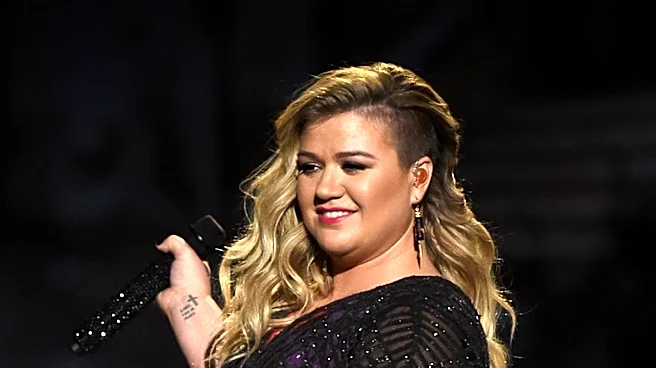
Kelly Clarkson, the American singer and television personality, has become embroiled in a public feud with Art of Play, an independent shop in Brooklyn, New York. The dispute began when Clarkson posted on X (formerly Twitter) on Saturday, October 10,
2026, claiming she received 'Pretty Woman' treatment at the store. She alleged that an employee looked at her as if she couldn't afford items and offered to find 'something comparable' after she expressed interest in purchasing 'a few things.' Art of Play responded on Instagram, stating that Clarkson had inquired about 'Molly,' a one-of-a-kind singing and dancing bird automaton that is permanently attached to the wall and not for sale. Clarkson countered by sharing an image she claimed showed a $15,000 price tag on the bird, accusing the store of being rude and dishonest. The store later clarified that a 'nearly identical automaton' could be purchased from the artist for $15,000 and that they offered Clarkson a different, less expensive singing bird automaton, but she left before seeing it. The incident has sparked widespread debate on social media, with supporters and critics on both sides.
Why It's Important?
This public disagreement highlights the growing influence of celebrity social media presence on small businesses and customer service expectations. Clarkson's initial post, comparing her experience to a scene from 'Pretty Woman,' quickly went viral, drawing significant attention to Art of Play. This incident underscores the immediate and far-reaching impact a celebrity's online statement can have, potentially affecting a small business's reputation and customer base. The debate also touches on perceptions of wealth and class in retail interactions, as Clarkson's claim of being judged based on appearance resonated with many. For small businesses, the event serves as a cautionary tale about managing customer interactions, especially with high-profile individuals, and the challenges of navigating public relations in the age of instant social media feedback. Conversely, it also raises questions about the responsibility of celebrities when publicly critiquing businesses, particularly independent ones, and the potential for disproportionate backlash.
What's Next?
The immediate future will likely see continued social media discussion surrounding the incident, with both Kelly Clarkson's and Art of Play's statements being scrutinized by the public. Art of Play has indicated they have reached out to Clarkson directly to 'clear the air,' suggesting a potential for private resolution or further public statements from either party. Clarkson has not yet publicly responded to the store's latest clarification. The incident may prompt other small businesses to review their customer service policies and consider strategies for handling potential public disputes, especially in an era where customer experiences can quickly become viral content. For Clarkson, the event could influence public perception, with some praising her for speaking out against perceived poor treatment and others criticizing her for publicly shaming a small business. The long-term impact on Art of Play's business and reputation remains to be seen, depending on how the narrative evolves and whether a resolution is reached.
Beyond the Headlines
This incident delves into deeper societal implications concerning celebrity culture, consumer rights, and the dynamics between individuals and businesses in the digital age. The 'Pretty Woman' comparison evokes a common narrative of perceived classism in retail, where individuals feel judged based on appearance or perceived wealth. This resonates with a broader public sentiment about equitable treatment in commercial spaces. Furthermore, the rapid virality of the dispute underscores the power of social media to amplify personal experiences into widespread public discourse, blurring the lines between private interactions and public accountability. It also raises ethical questions about the appropriate use of celebrity platforms for personal grievances and the potential for 'cancel culture' to impact small enterprises. The event highlights a cultural shift where consumers, empowered by social media, increasingly expect transparency and fairness from businesses, while businesses grapple with managing their online reputation in real-time against potentially overwhelming public scrutiny.