






What's Happening?
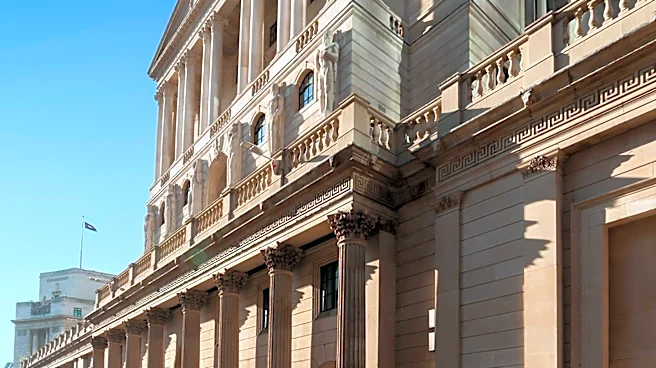
JPMorgan Chase has publicly criticized the UK Autumn Budget's decision to raise taxes on banks, labeling the move as 'unprincipled.' The global financial institution warned that increased bank taxation could undermine the UK's standing as a leading financial hub
for international institutions. Jamie Dimon, CEO of JPMorgan Chase, reiterated the bank's commitment to its UK operations but expressed concern regarding the fiscal and regulatory stability for large banks in the region. This sharp response from JPMorgan Chase aligns with broader policy risks that the bank has previously highlighted, indicating a sensitivity to regulatory and tax environments that could impact its operational costs and investment decisions. The bank's global footprint means that UK tax shifts affect a broad international exposure rather than just a single market.
Why It's Important?
JPMorgan Chase's criticism of the UK's bank tax hike is significant for the U.S. financial industry and global markets. As one of the largest global banks, its concerns about fiscal and regulatory stability in a major financial center like the UK can influence investment decisions and capital allocation across its vast international operations. This situation highlights the ongoing tension between governments seeking to increase revenue through taxation and financial institutions aiming to maintain competitive operating environments. For U.S. banks with significant international presence, changes in tax regimes abroad can directly impact their profitability and strategic planning. The warning about the UK's financial hub status suggests that such tax policies could lead to a reallocation of banking activities or a reduction in investment, potentially affecting job markets and economic growth in the UK and influencing where U.S. firms choose to expand or contract their global operations.
What's Next?
The immediate consequence of JPMorgan Chase's criticism will likely be increased scrutiny on the UK's fiscal policies and their potential impact on the financial sector. Investors will be closely watching JPMorgan Chase's future financial updates for any changes in its regional profitability or effective tax rates attributed to its UK operations. Management's response to the UK Autumn Budget measures, particularly regarding its expense outlook for 2027, will be a key indicator of the long-term effects. This situation could also prompt other international banks operating in the UK to voice similar concerns, potentially leading to a broader dialogue between the financial industry and the UK government about tax policies. For the U.S., this serves as a case study on how foreign tax policies can affect major American financial institutions and their global strategies.
Beyond the Headlines
Beyond the immediate financial implications, JPMorgan Chase's strong reaction to the UK bank tax hike touches upon the deeper issue of regulatory arbitrage and the global competition among nations to attract and retain financial capital. The bank's assertion that the tax is 'unprincipled' suggests a challenge to the fundamental fairness and predictability of the regulatory environment, which is crucial for long-term investment. This scenario highlights the delicate balance governments must strike between generating revenue and maintaining an attractive business climate for global corporations. It also underscores the power of major financial institutions to influence policy discussions through their investment decisions and public statements. The long-term shift in financial services could see capital and operations gravitate towards jurisdictions perceived as more stable and favorable, potentially leading to a redistribution of global financial power and impacting the economic sovereignty of nations.